
- Home ›
- Injection Molding ›
- PP Injection Molding
PP Injection Molding Excellence
Rapidaccu delivers professional polypropylene injection molding services with 15 years of expertise. Our advanced facilities in Shenzhen produce high-quality PP parts featuring excellent chemical resistance, durability, and cost-effectiveness for diverse applications.
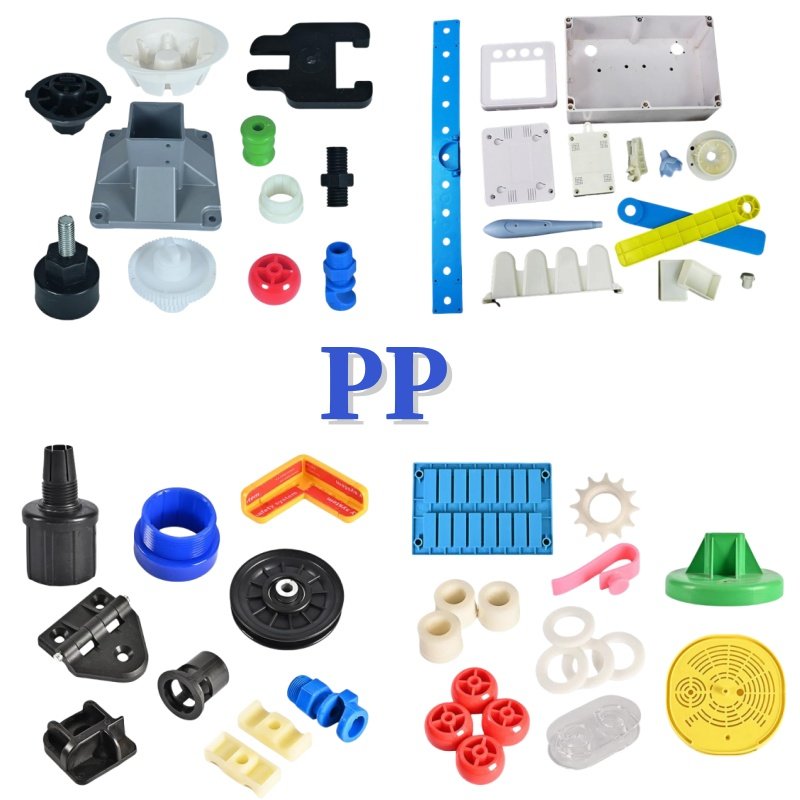
Why Choose PP for Your Application
Polypropylene offers unique properties making it ideal for numerous industrial applications
Chemical Resistance
Excellent resistance to acids, bases, solvents and moisture for harsh environments
High Flexibility
Superior impact resistance and flexibility even in low temperature conditions
Cost Effective
Competitive material pricing with excellent processability reduces overall costs
Lightweight
Low density material reduces weight without compromising structural integrity
PP Material Properties & Specifications
Polypropylene is a versatile thermoplastic polymer offering excellent mechanical properties, chemical resistance, and processing characteristics. Our expertise ensures optimal results for your PP injection molding projects.
Physical Properties
Processing Parameters
- Mold Temperature: 20-80°C
- Injection Pressure: 500-1500 bar
- Drying Temperature: 80°C / 2-3 hours
PP Grades We Process
Homopolymer PP
Highest strength and rigidity, excellent chemical resistance for industrial applications
Copolymer PP
Enhanced impact resistance and flexibility, ideal for consumer products
Glass-Filled PP
Reinforced strength and dimensional stability for structural components
Talc-Filled PP
Improved stiffness and heat resistance for automotive applications
PP Injection Molding Applications
Packaging Products
Food containers, caps, closures, bottles, crates and flexible packaging requiring moisture barrier properties and chemical resistance.
- Food containers and lids
- Bottle caps and closures
- Pharmaceutical packaging
Automotive Components
Interior and under-hood parts benefiting from PP chemical resistance, heat stability and lightweight characteristics.
- Dashboard components
- Battery housings
- Bumper assemblies
Consumer Goods
Household products and appliances requiring durability, chemical resistance and aesthetic flexibility.
- Storage containers
- Kitchen utensils
- Appliance housings
Medical Devices
Disposable medical products and laboratory equipment benefiting from PP sterilization compatibility and chemical inertness.
- Syringes and vials
- Laboratory containers
- Medical instrument cases
Industrial Products
Technical components for machinery and equipment requiring chemical resistance and dimensional stability.
- Chemical tanks
- Pipe fittings
- Protective housings
Textile Applications
Fabric and textile industry components requiring moisture resistance and durability in demanding conditions.
- Non-woven fabrics
- Fiber components
- Textile machinery parts
Our PP Molding Process
Material Selection
Choose optimal PP grade based on application requirements including chemical exposure and mechanical loads
Mold Design
Engineer precision molds optimized for PP flow characteristics and shrinkage behavior
Production
Execute controlled injection molding with optimized parameters for consistent quality
Quality Control
Comprehensive inspection ensuring dimensional accuracy and material integrity
Design Considerations for PP Parts
Recommended Practices
-
Wall Thickness
Maintain 1.2-3.0mm uniform thickness to prevent sink marks and warpage issues
-
Draft Angles
Incorporate 1-2° draft minimum for easy part ejection from mold cavity
-
Corner Radius
Use generous radii to reduce stress concentration and improve material flow
Common Challenges
-
Shrinkage Control
PP exhibits 1.5-2.5% shrinkage requiring careful mold design compensation
-
Weld Lines
Optimize gate location and process parameters to minimize visible weld lines
-
Warpage Prevention
Maintain uniform wall thickness and proper cooling to prevent part distortion
Quality Assurance Standards
Our comprehensive quality management system ensures every PP injection molded part meets exact specifications and performance requirements through rigorous testing and inspection protocols.
ISO 9001:2015 Certified
International quality management standards compliance
Material Testing
Verification of PP grade and property specifications
Dimensional Inspection
CMM measurement ensuring tolerance compliance
Production Capabilities
Frequently Asked Questions
What are the main advantages of PP injection molding?
What is the typical shrinkage rate for PP parts?
Can PP parts be used in high-temperature applications?
Is PP suitable for food contact applications?
What surface finishes are available for PP parts?
Why choose Rapidaccu for PP injection molding?
Explore Other Injection Molding Materials
Discover our comprehensive range of material-specific injection molding services
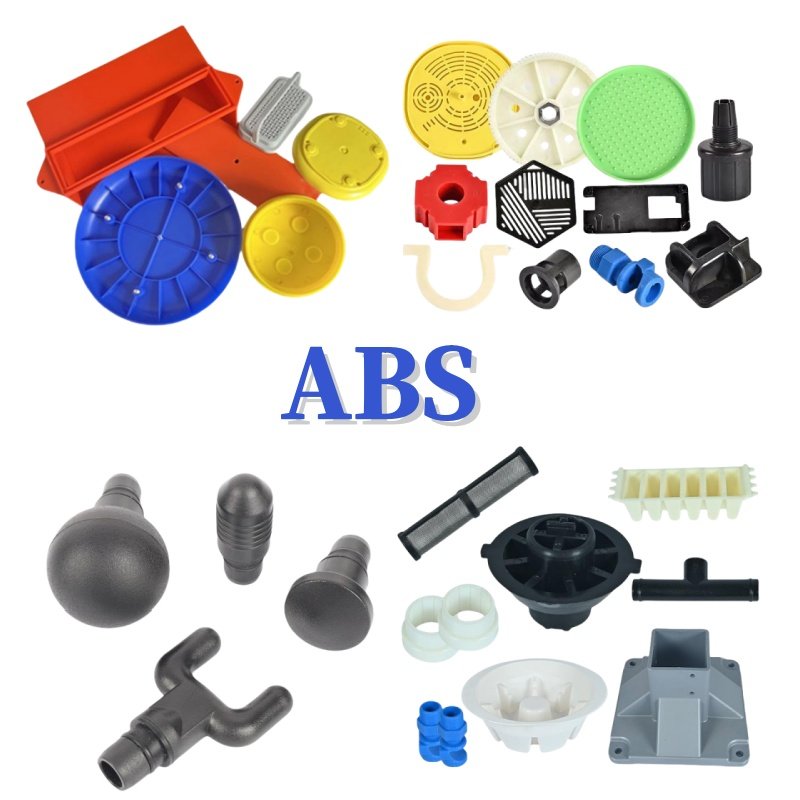
ABS Injection Molding
High impact strength, excellent surface finish, and dimensional stability for diverse applications.
Learn More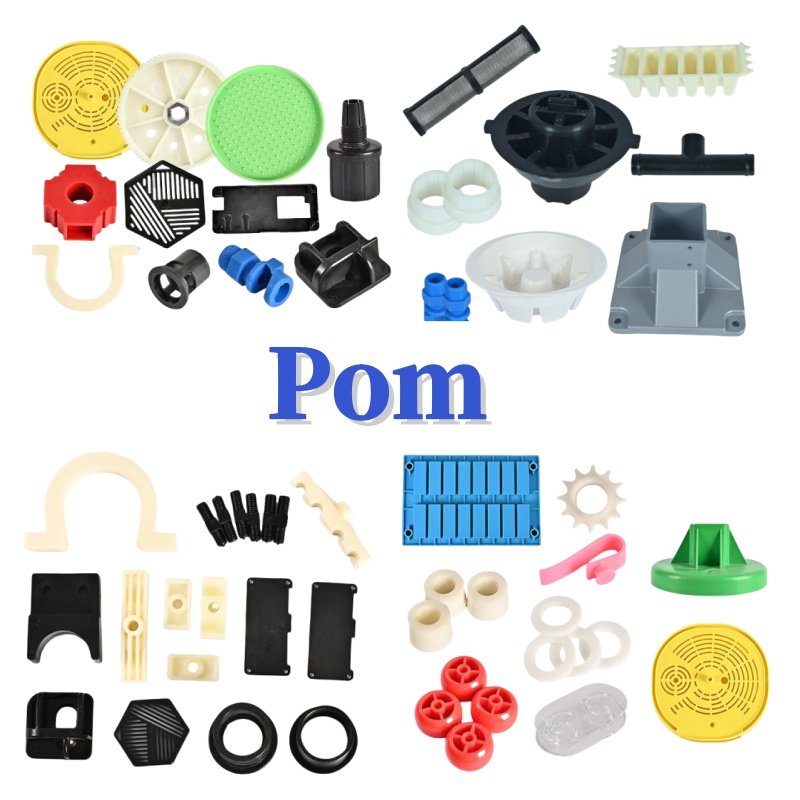
POM Injection Molding
Superior dimensional stability, low friction, and excellent wear resistance for precision parts.
Learn More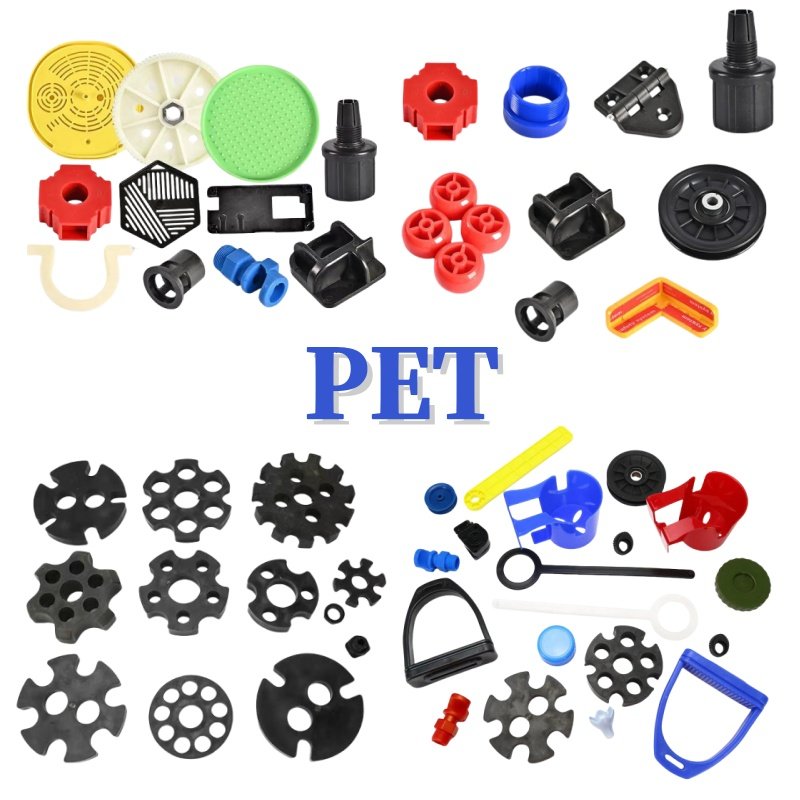
PET Injection Molding
Excellent clarity, chemical resistance, and recyclability for packaging and consumer products.
Learn More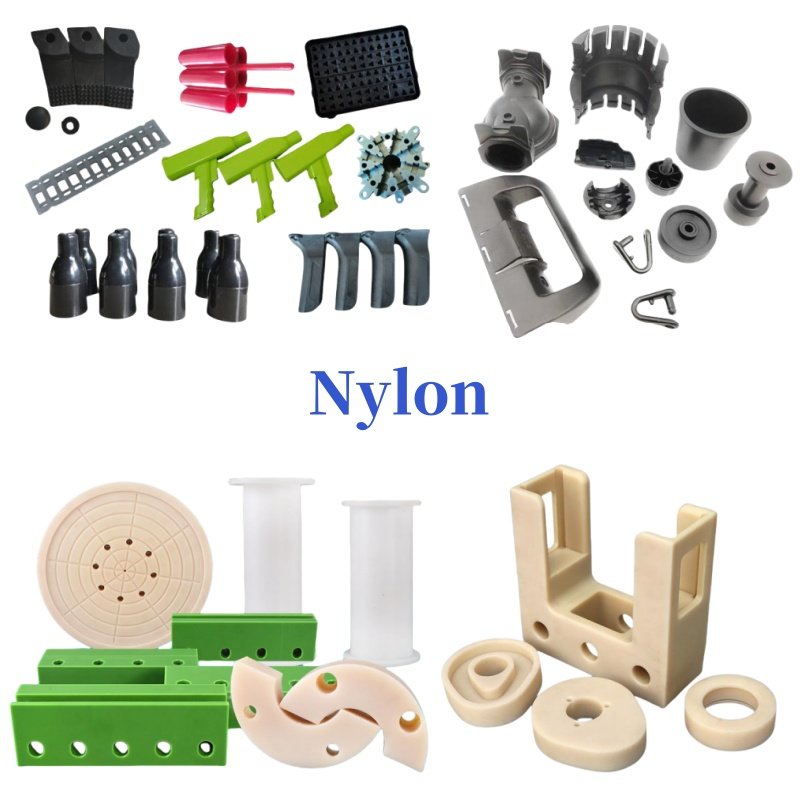
Nylon Injection Molding
High strength, thermal resistance, and chemical stability for demanding engineering applications.
Learn More
HDPE Injection Molding
Outstanding chemical resistance, durability, and impact strength for industrial applications.
Learn More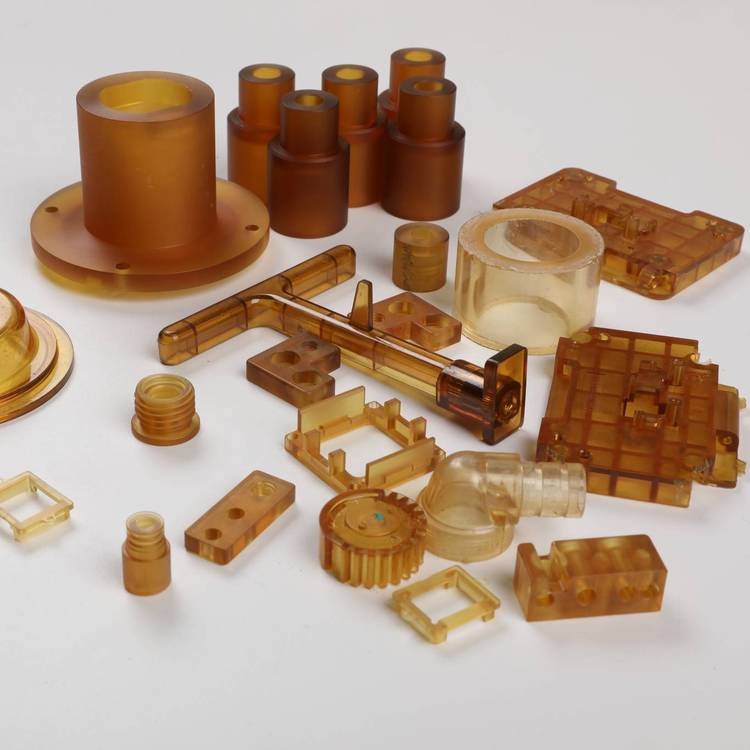
PEI Injection Molding
Exceptional heat resistance, flame retardancy, and dimensional stability for high-performance parts.
Learn More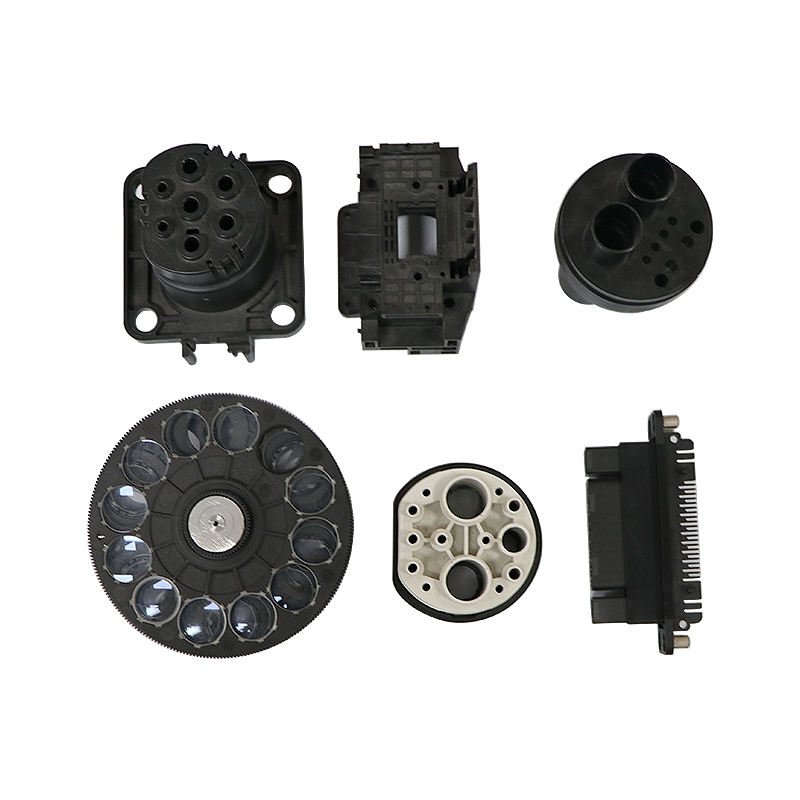
PVC Injection Molding
Cost-effective, chemically resistant, and versatile for construction and medical applications.
Learn More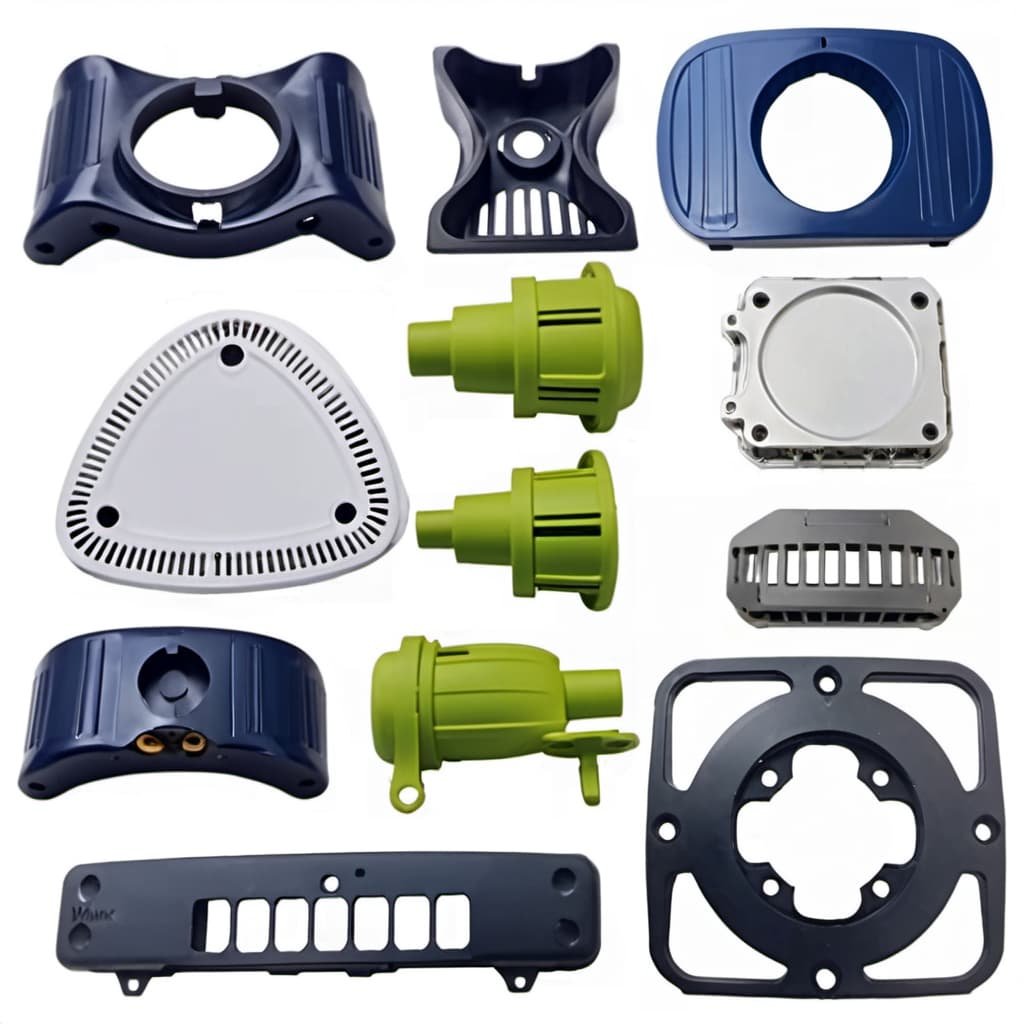
PS Injection Molding
Excellent clarity, rigidity, and ease of processing for packaging and consumer products.
Learn More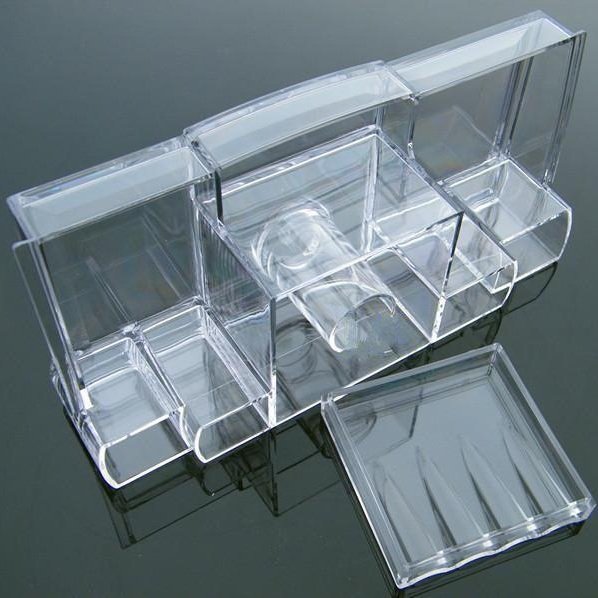
Acrylic Injection Molding
Superior optical clarity, UV resistance, and aesthetic appeal for display and lighting applications.
Learn MoreStart Your PP Injection Molding Project
Partner with Rapidaccu for reliable polypropylene part manufacturing
Contact Rapidaccu
Manufacturing Facility
Rongli Industrial Park, Dalang, Longhua District, Shenzhen, China
Email Us
info@rapidaccu.comExperience
15 years of PP injection molding expertise
PP Molding Advantages
Request Your Quote
Share your PP molding project requirements