
- Home ›
- Injection Molding ›
- ABS Injection Molding
ABS Injection Molding Expertise
Rapidaccu specializes in ABS injection molding with 15 years of manufacturing excellence. Our Shenzhen facility produces high-quality acrylonitrile butadiene styrene components featuring superior impact resistance, dimensional stability, and exceptional surface finish for demanding applications.
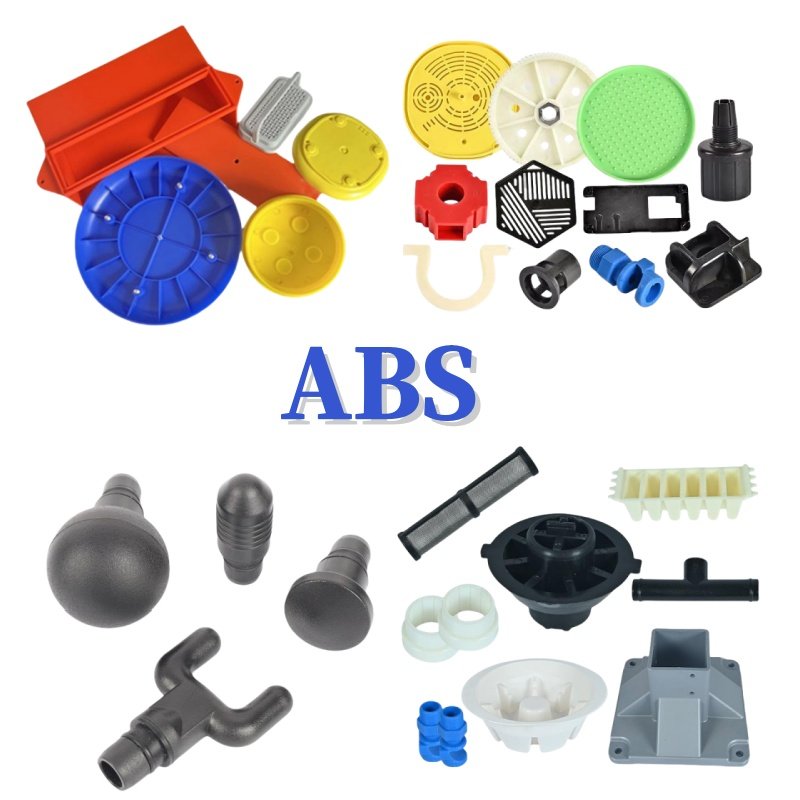
Why ABS is the Preferred Engineering Plastic
ABS (Acrylonitrile Butadiene Styrene) combines the strength and rigidity of acrylonitrile and styrene with the toughness of polybutadiene rubber. This unique combination creates an engineering thermoplastic with exceptional balance of properties.
Superior Impact Resistance
Excellent toughness even at low temperatures, maintaining strength under mechanical stress and impact loads
Dimensional Stability
Low shrinkage rate and excellent dimensional stability ensure tight tolerances and consistent part quality
Excellent Surface Finish
Smooth surface allowing easy painting, plating, and printing for aesthetic enhancement
Easy Processing
Good melt flow properties facilitate complex part geometries and thin-wall molding
ABS Material Properties
ABS Grades & Variants
We process multiple ABS formulations optimized for specific applications
Standard ABS
General purpose grade with balanced properties for consumer products and housings
- • Good impact resistance
- • Easy processing
- • Cost effective
Heat Resistant ABS
Enhanced thermal stability for higher temperature applications up to 110°C
- • Higher HDT
- • Thermal stability
- • Automotive use
Plating Grade ABS
Specially formulated for chrome plating and metallic finishing applications
- • Excellent adhesion
- • Smooth surface
- • Premium appearance
Flame Retardant ABS
UL94 V-0 rated for electrical and electronic safety requirements
- • UL94 certified
- • Halogen-free options
- • Electronic housings
ABS Injection Molding Applications
Electronics & Appliances
Computer housings, TV frames, appliance components, and consumer electronic enclosures requiring impact resistance and aesthetic appeal.
- Laptop and monitor bezels
- Keyboard housings
- Remote controls
Automotive Interior
Dashboard panels, control modules, trim parts, and interior components leveraging ABS impact resistance and surface quality.
- Dashboard components
- Door panels and trim
- Console assemblies
Power Tools
Tool housings and components requiring durability, impact resistance, and ergonomic design with excellent surface finish.
- Drill housings
- Saw components
- Grinder cases
Building & Construction
Pipe fittings, electrical boxes, protective covers, and architectural components with weather resistance requirements.
- Electrical enclosures
- Plumbing fittings
- Safety equipment
Toys & Recreation
High-quality toys, sporting goods, and recreational products leveraging ABS safety and durability characteristics.
- Building block toys
- Sports equipment
- Protective gear
Luggage & Cases
Hard-shell luggage, protective cases, and storage solutions requiring impact resistance and structural integrity.
- Travel luggage
- Equipment cases
- Storage boxes
Processing Excellence
Temperature Control
Precise temperature management throughout the injection process ensures optimal material flow and part quality. ABS requires careful temperature control to prevent degradation while maintaining proper melt viscosity.
Mold Design Optimization
Our engineering team optimizes mold designs specifically for ABS characteristics including shrinkage compensation, gate placement, and cooling channel configuration for consistent part quality.
- Gate location optimized for minimal weld lines
- Cooling channels for uniform temperature distribution
- Venting design to prevent gas traps and burn marks
Quality Control
Comprehensive quality assurance protocols ensure every ABS part meets specifications through dimensional inspection, visual examination, and functional testing.
Technical Capabilities
Secondary Operations
- Painting & coating
- Chrome plating
- Pad printing
- Ultrasonic welding
- Assembly services
Design Guidelines for ABS Parts
Best Practices
Uniform Wall Thickness
Maintain 1.5-3.5mm thickness for optimal flow and minimal sink marks
Generous Radii
Use 0.5mm minimum radius to reduce stress concentration points
Draft Angles
Include 1-2° draft on vertical surfaces for easy ejection
Ribbing Design
Rib thickness should be 50-60% of nominal wall thickness
Avoid These Issues
Sharp Corners
Sharp transitions create stress points and reduce part strength
Thick Sections
Excessive thickness causes sink marks and longer cycle times
Deep Ribs
Overly deep ribs can cause warping and surface defects
Undercuts Without Action
Complex undercuts require expensive side actions or lifters
Frequently Asked Questions
What are the key advantages of ABS for injection molding?
Can ABS parts be chrome plated?
What is the typical shrinkage rate for ABS?
Is ABS suitable for outdoor applications?
What secondary operations are available for ABS parts?
Why choose Rapidaccu for ABS injection molding?
Explore Other Injection Molding Materials
Comprehensive material options for diverse application requirements
PP
Polypropylene
POM
Polyoxymethylene
PET
Polyethylene Terephthalate
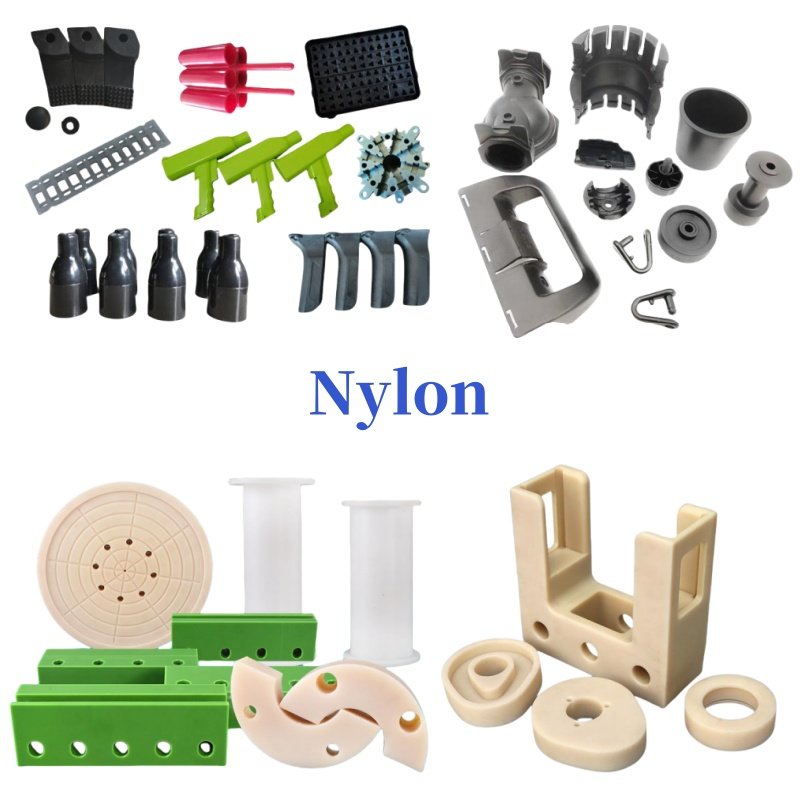
Nylon
PA6/PA66

HDPE
High-Density Polyethylene
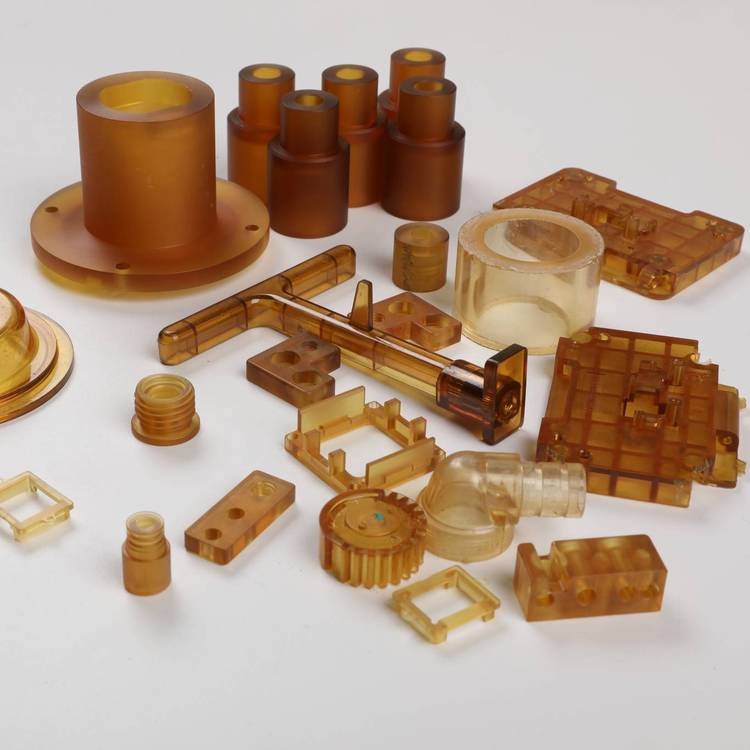
PEI
Polyetherimide
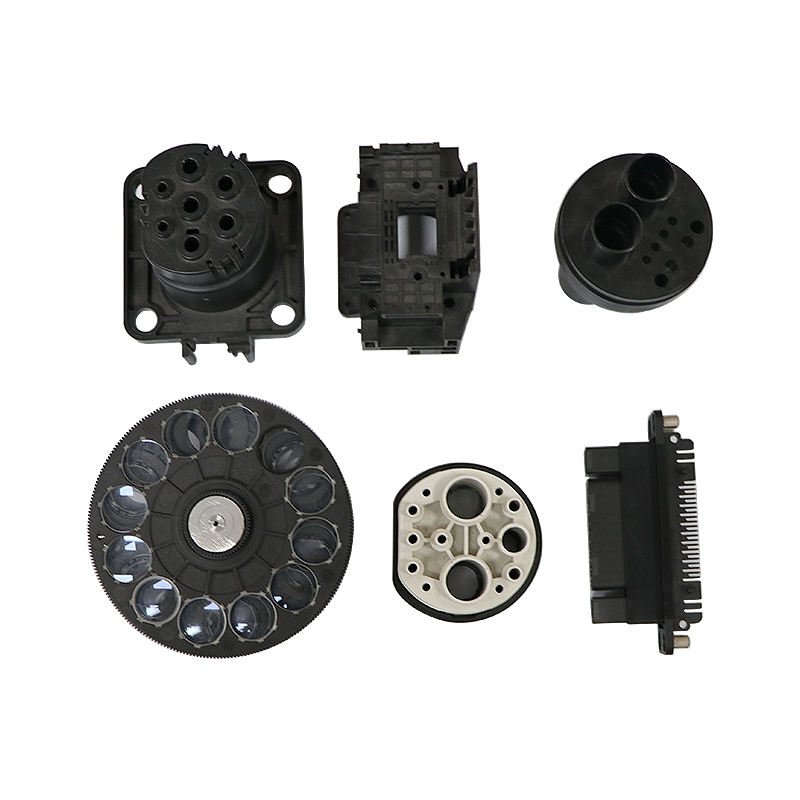
PVC
Polyvinyl Chloride
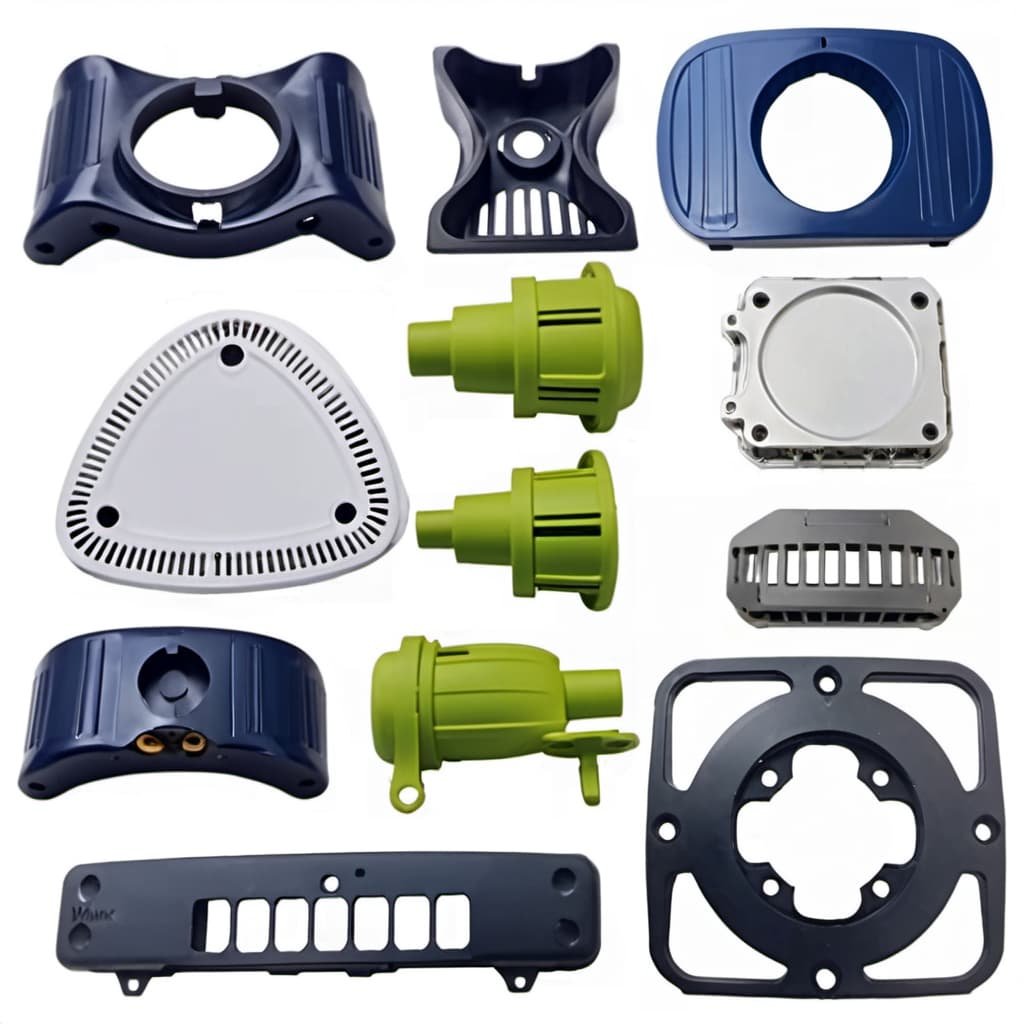
PS
Polystyrene
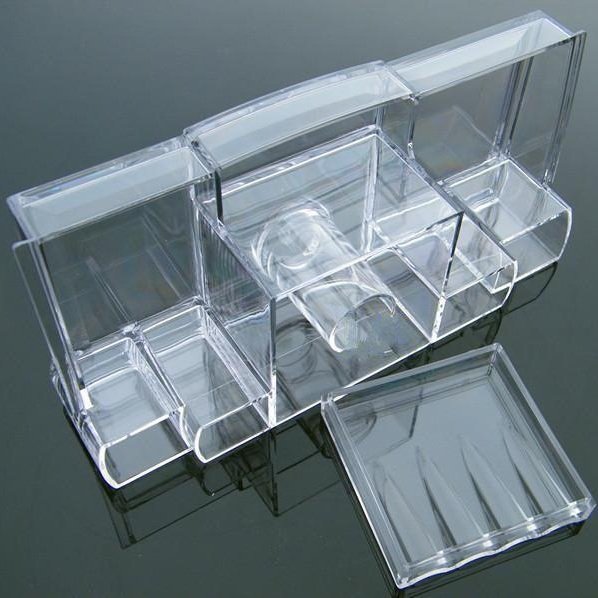
Acrylic
PMMA
Start Your ABS Injection Molding Project
Experience superior quality and service from ABS molding specialists
Contact Rapidaccu
Manufacturing Facility
Rongli Industrial Park, Dalang, Longhua District, Shenzhen, China
Email Us
info@rapidaccu.comExperience
15 years of ABS injection molding expertise
ABS Molding Expertise
Request Your Quote
Share your ABS molding project requirements