
- Home ›
- Injection Molding ›
- POM Injection Molding
POM Injection Molding Solutions
Rapidaccu delivers exceptional POM (acetal/polyoxymethylene) injection molding services. With 15 years of engineering plastic expertise, we produce high-precision components featuring excellent dimensional stability, low friction coefficient, and superior wear resistance for demanding mechanical applications.
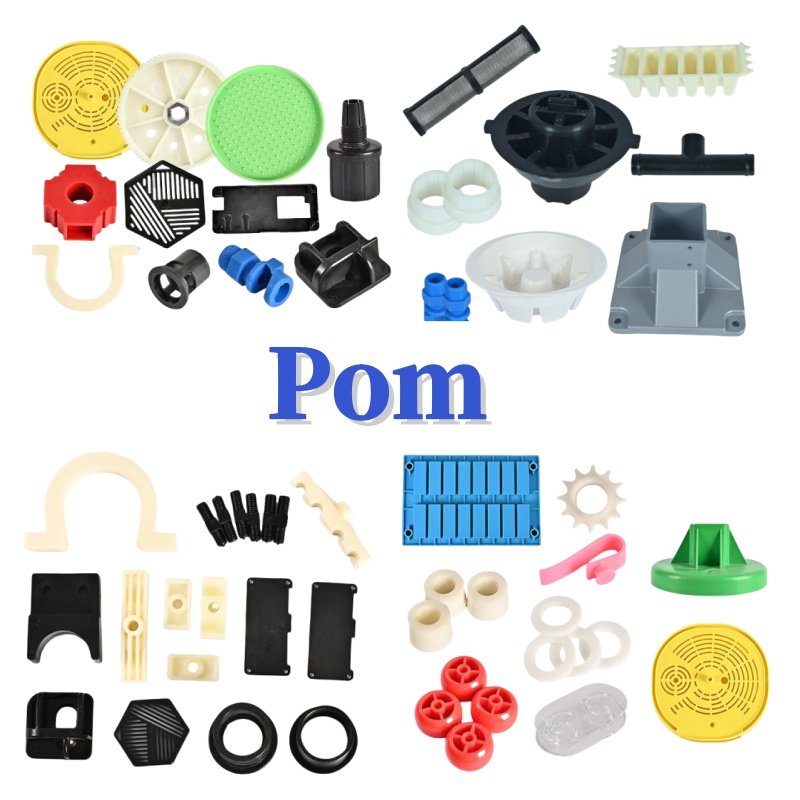
Understanding POM Engineering Plastic
Polyoxymethylene (POM) is a high-performance engineering thermoplastic renowned for exceptional mechanical properties
Material Composition
POM is a semi-crystalline polymer with repeating methylene oxide units. Available as homopolymer (high stiffness) and copolymer (better chemical resistance) grades for different applications.
Mechanical Excellence
Outstanding strength, rigidity, and hardness combined with excellent dimensional stability. Low moisture absorption ensures consistent performance in varying environments.
Processing Benefits
Excellent moldability with low shrinkage and minimal warpage. Good thermal stability during processing enables consistent part quality and tight tolerances.
Key POM Properties
Why Choose POM for Your Application
Low Friction
Coefficient of friction 0.2-0.3 enables self-lubricating properties ideal for gears, bearings, and sliding components without external lubrication
High Stiffness
Excellent rigidity and creep resistance maintain dimensional stability under sustained loads, perfect for precision mechanical parts
Low Moisture
Minimal water absorption (0.2-0.8%) ensures dimensional stability in humid environments and consistent performance
Chemical Resistant
Good resistance to fuels, solvents, and most chemicals except strong acids, bases, and oxidizing agents
Tight Tolerances
Low shrinkage rate (1.8-2.5%) enables precision molding with excellent dimensional accuracy for critical applications
Fatigue Resistance
Excellent fatigue properties withstand repeated stress cycles, ideal for spring clips, snap fits, and moving parts
POM Injection Molding Applications
Precision Gears & Bearings
Low friction and high wear resistance make POM ideal for gears, bushings, bearings, and sprockets in automotive, industrial, and consumer applications requiring smooth operation and long service life.
Automotive Components
Fuel system parts, door lock mechanisms, window regulators, and seat adjustment components benefit from POM chemical resistance to fuels and excellent dimensional stability.
Electronics
Precision components for keyboards, switches, connectors, and mechanical assemblies requiring dimensional accuracy
- • Keyboard mechanisms
- • Connector housings
- • Switch components
Medical Devices
Sterilizable components for surgical instruments, drug delivery systems, and diagnostic equipment
- • Surgical handles
- • Pump components
- • Instrument parts
Consumer Products
Zippers, fasteners, clips, and household product components requiring durability and smooth operation
- • Zipper sliders
- • Snap fasteners
- • Belt buckles
POM Processing Expertise
POM injection molding requires specialized knowledge and precise process control to achieve optimal results. Our 15 years of experience ensures consistent quality and performance.
Temperature Management
Precise barrel temperature control (180-220°C) prevents thermal degradation while ensuring proper melt flow for complete cavity filling.
Material Drying
Thorough pre-drying at 80-100°C for 2-4 hours ensures optimal melt quality and prevents surface defects from moisture contamination.
Precision Molding
Controlled injection speed and pressure optimize molecular orientation for maximum strength and dimensional accuracy in finished parts.
POM Grades Available
Homopolymer POM
Higher strength, stiffness, and hardness. Optimal for gears and mechanical components requiring maximum rigidity.
Copolymer POM
Better thermal stability and chemical resistance. Lower formaldehyde emission, ideal for consumer and medical applications.
Glass-Filled POM
Enhanced stiffness and strength with reduced shrinkage. Used for structural parts requiring extra reinforcement.
PTFE-Modified POM
Ultra-low friction coefficient for bearing and sliding applications requiring self-lubricating properties.
Production Capabilities
Design Guidelines for POM Parts
Optimal Design Practices
Wall Thickness
Maintain 0.8-3.0mm uniform thickness. Thicker sections require longer cooling time and may show sink marks.
Corner Radii
Use minimum 0.3mm radius on all edges to reduce stress concentration and improve mold filling.
Draft Angles
Minimum 0.5-1° draft on vertical walls facilitates part ejection and prevents surface damage.
Gate Location
Position gates to minimize weld lines in high-stress areas and optimize mechanical properties.
Common Challenges
Formaldehyde Emission
POM can release formaldehyde at high temperatures. Use proper ventilation and consider copolymer grades for sensitive applications.
Thermal Degradation
Avoid prolonged exposure to elevated temperatures during processing. Purge barrel thoroughly when changing materials.
Weld Line Strength
POM weld lines can be weak points. Optimize gate placement and use higher mold temperatures to improve bonding.
Post-Mold Shrinkage
POM continues crystallizing after molding. Critical dimensions may require post-molding annealing for stability.
Frequently Asked Questions
Q What are the main advantages of POM for precision parts?
Q What is the difference between homopolymer and copolymer POM?
Q Can POM parts be used in automotive fuel systems?
Q What tolerances can be achieved with POM injection molding?
Q Is POM suitable for food contact applications?
Q Why choose Rapidaccu for POM injection molding?
Explore Other Injection Molding Materials
Discover our comprehensive range of material-specific injection molding services
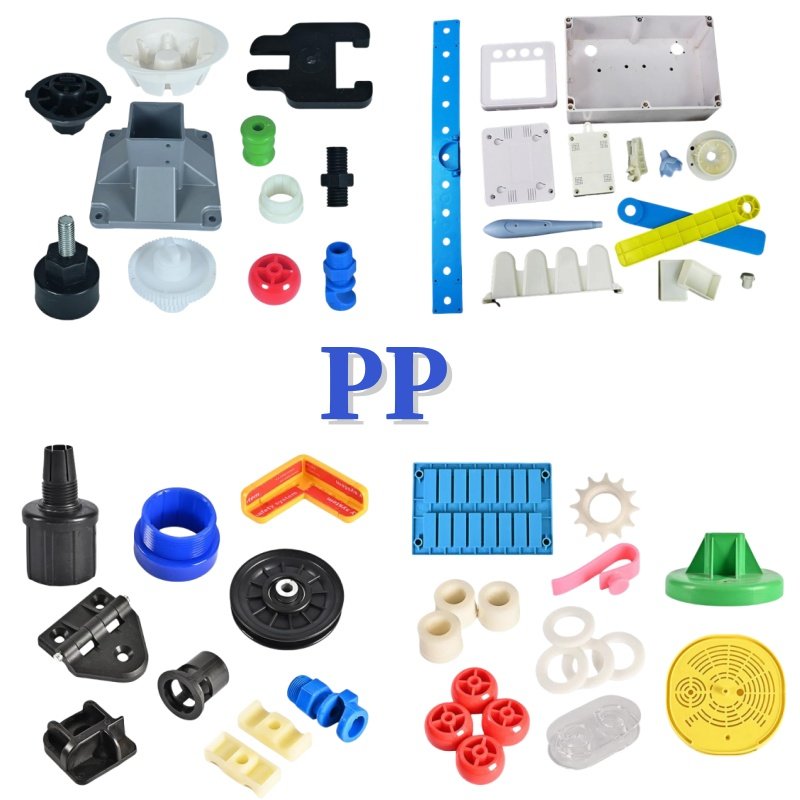
PP Injection Molding
Cost-effective, chemical resistant, and versatile for automotive, packaging, and consumer products.
Learn More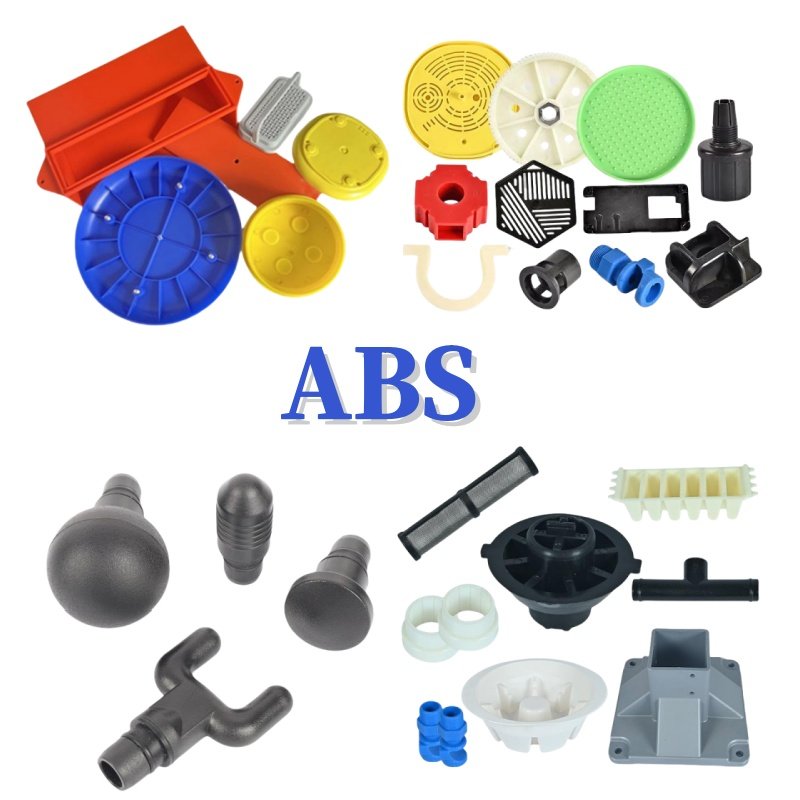
ABS Injection Molding
High impact strength, excellent surface finish, and dimensional stability for diverse applications.
Learn More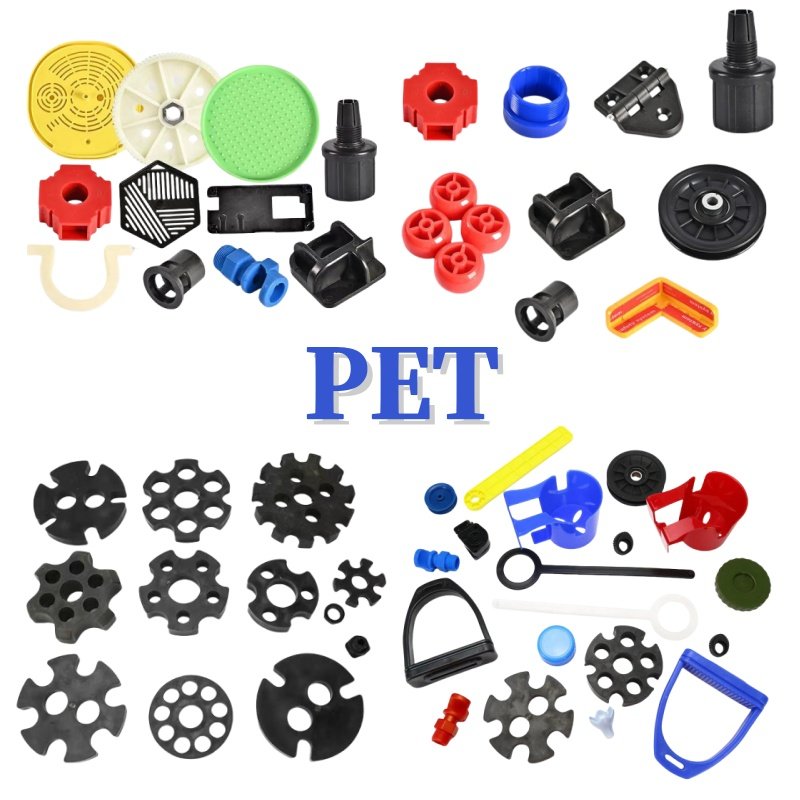
PET Injection Molding
Excellent clarity, chemical resistance, and recyclability for packaging and consumer products.
Learn More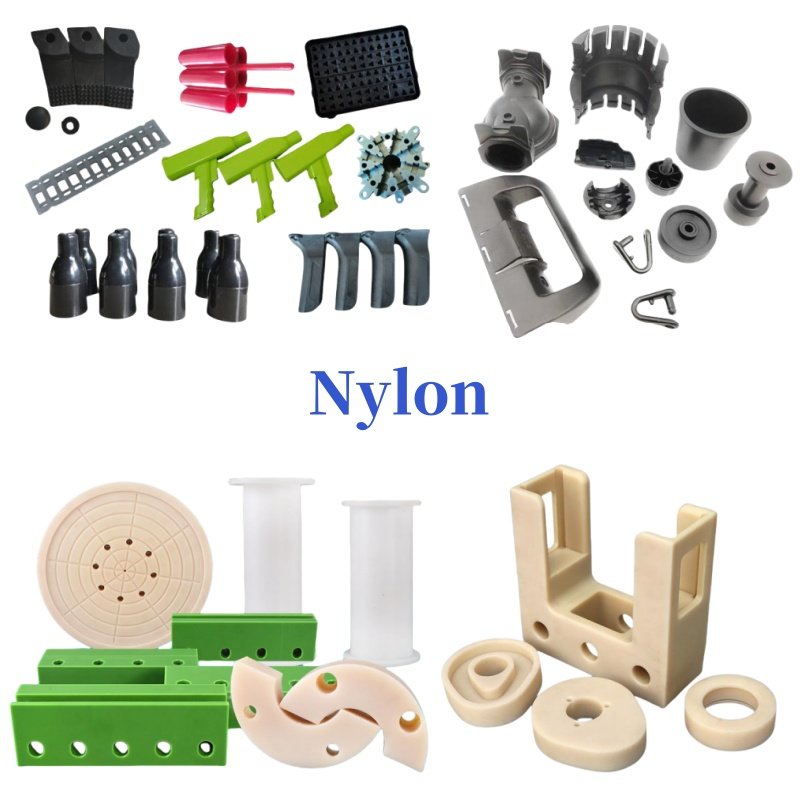
Nylon Injection Molding
High strength, thermal resistance, and chemical stability for demanding engineering applications.
Learn More
HDPE Injection Molding
Outstanding chemical resistance, durability, and impact strength for industrial applications.
Learn More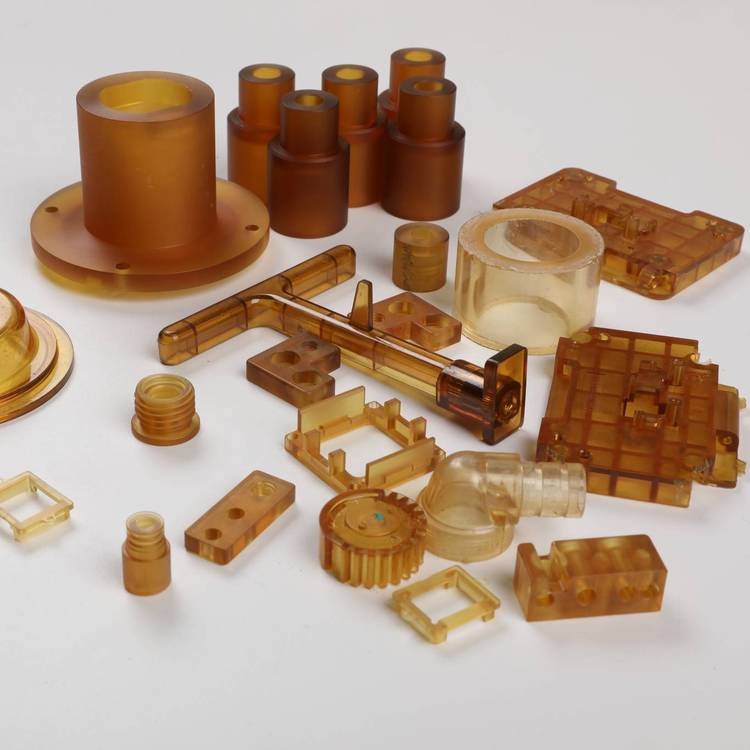
PEI Injection Molding
Exceptional heat resistance, flame retardancy, and dimensional stability for high-performance parts.
Learn More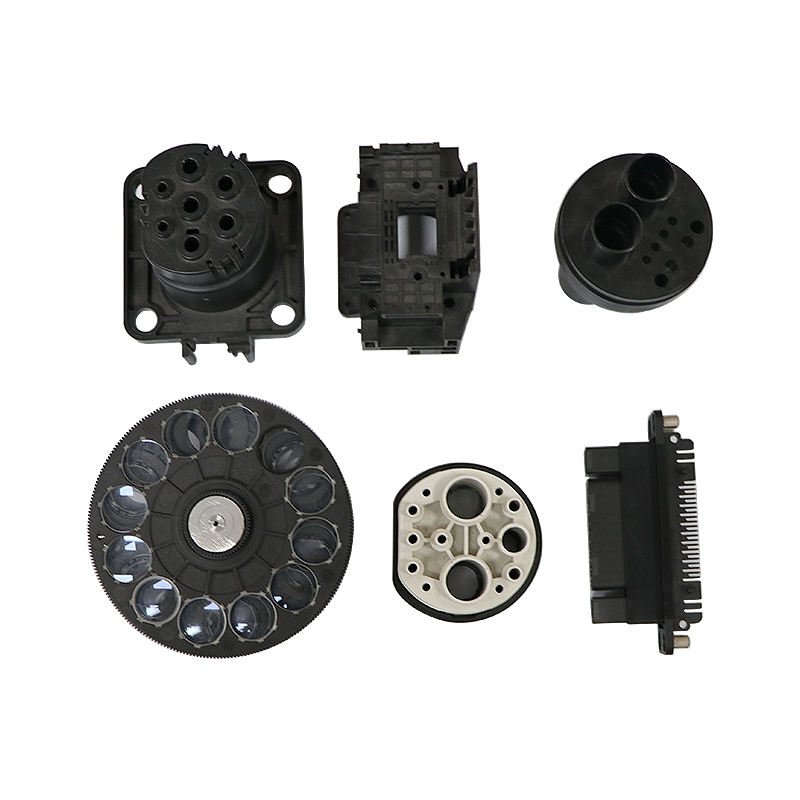
PVC Injection Molding
Cost-effective, chemically resistant, and versatile for construction and medical applications.
Learn More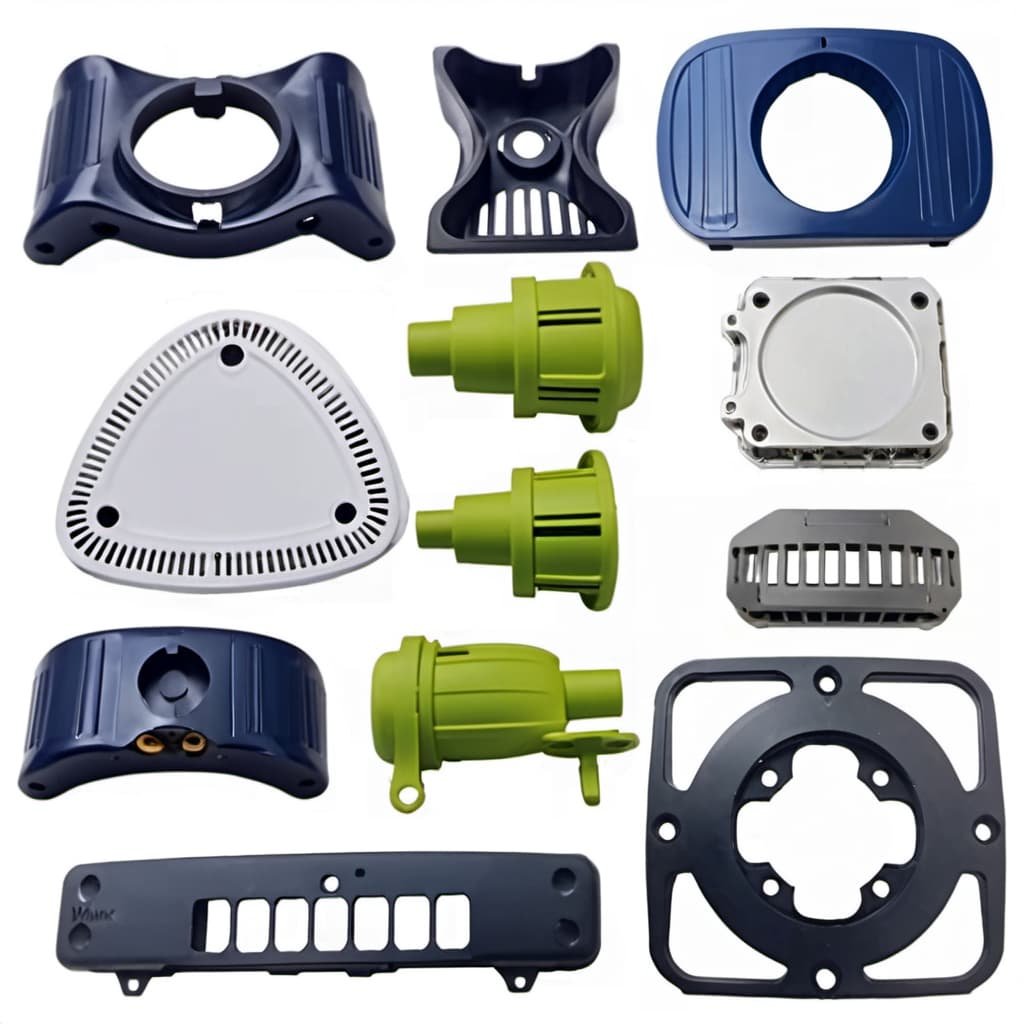
PS Injection Molding
Excellent clarity, rigidity, and ease of processing for packaging and consumer products.
Learn More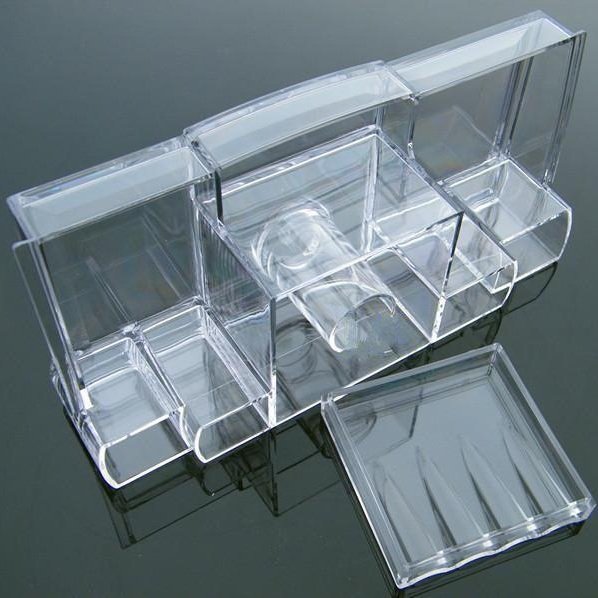
Acrylic Injection Molding
Superior optical clarity, UV resistance, and aesthetic appeal for display and lighting applications.
Learn MoreStart Your POM Injection Molding Project
Partner with engineering plastic specialists for precision POM components
Contact Rapidaccu
Manufacturing Facility
Rongli Industrial Park, Dalang, Longhua District, Shenzhen, China
Email Us
info@rapidaccu.comExperience
15 years of POM injection molding expertise
POM Molding Capabilities
Request Your Quote
Share your POM molding project requirements