
- Home ›
- Injection Molding ›
- Two Shot (2K) Injection Molding
Two Shot (2K) Injection Molding
Rapidaccu delivers advanced two shot injection molding technology for complex multi-material plastic components. Our 15 years of expertise ensures perfect material bonding, precise registration, and superior product quality.

What is Two Shot Injection Molding?
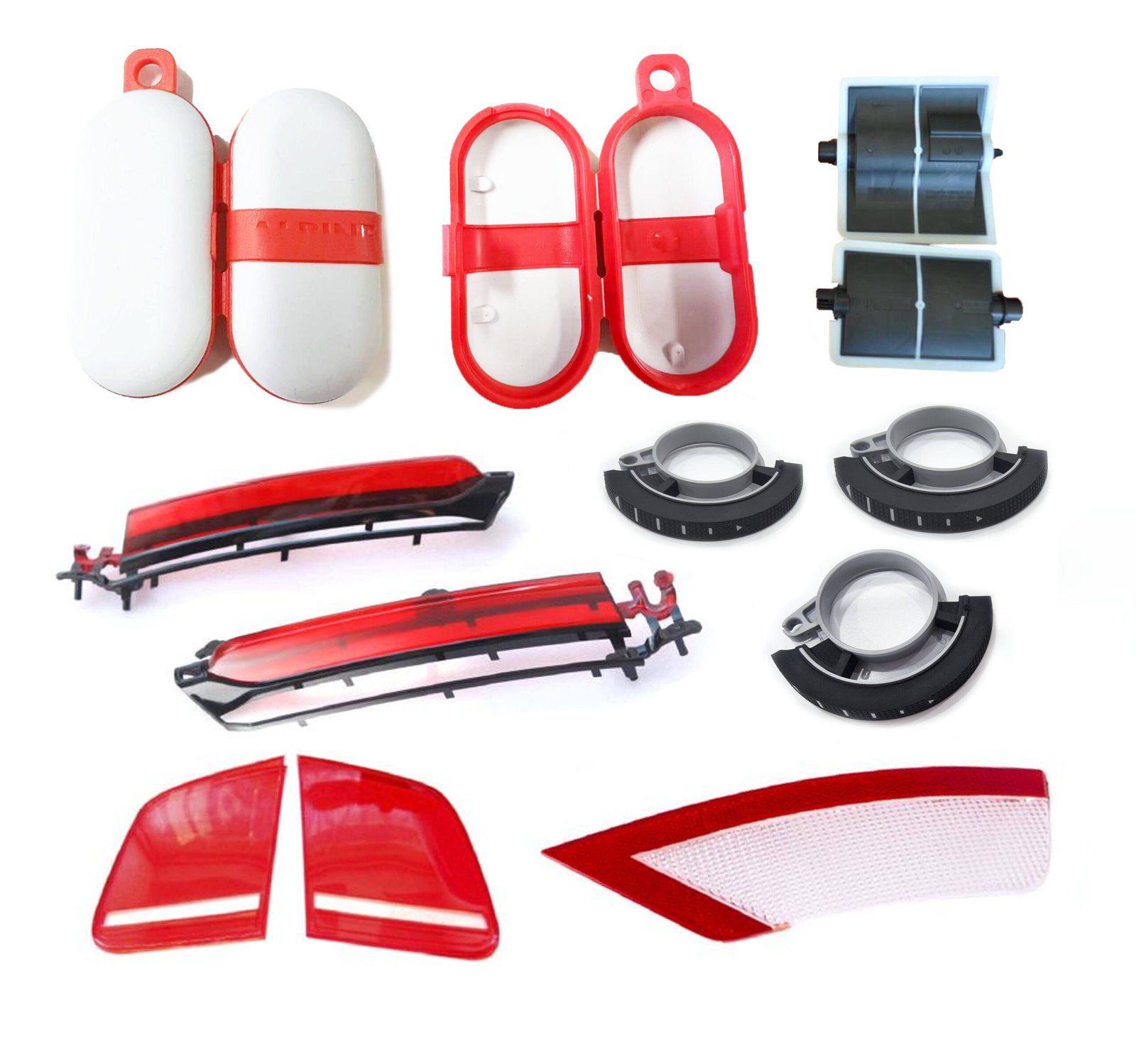
Two shot injection molding, also known as 2K molding or multi-shot molding, is an advanced manufacturing process that combines two different materials or colors into a single component in one molding cycle. This eliminates the need for secondary assembly operations while creating strong molecular bonds between materials.
The process uses specialized molding machines with two injection units and a rotating or sliding mold system. The first material is injected and partially cooled, then the mold rotates or opens to allow the second material to be molded onto or around the first shot.
Key Advantages
- Eliminates assembly operations and reduces labor costs
- Creates permanent molecular bond between materials
- Enables complex multi-material designs
- Improves product aesthetics and functionality
Multi-Material
Combine hard and soft plastics in one part
Multi-Color
Create vibrant color combinations without painting
Strong Bonding
Molecular adhesion for permanent assembly
Cost Effective
Reduce assembly and labor expenses
Material Combinations We Offer
Hard + Soft Plastics
Rigid structure with soft-touch grip areas
Durable base with rubber-like seals
Flexible functionality with rigid support
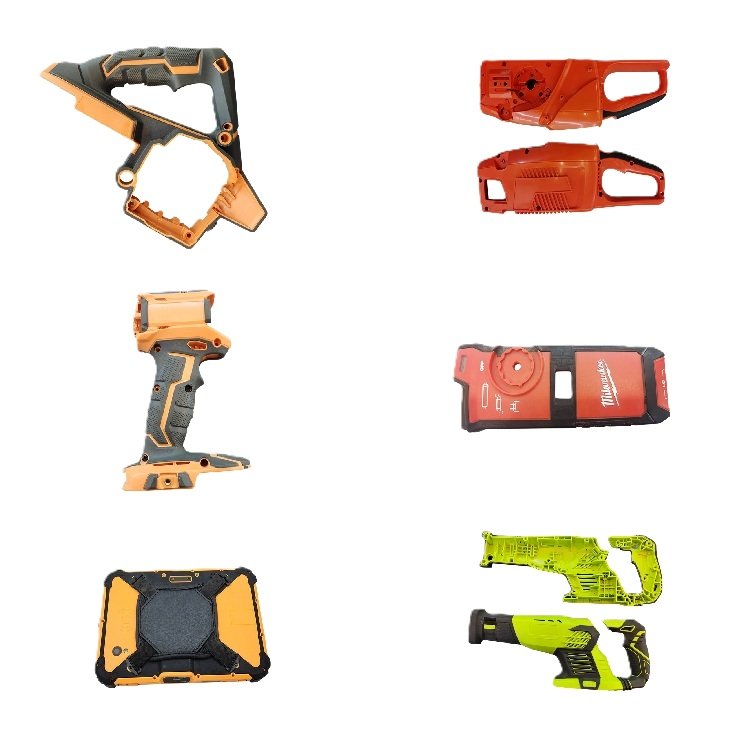
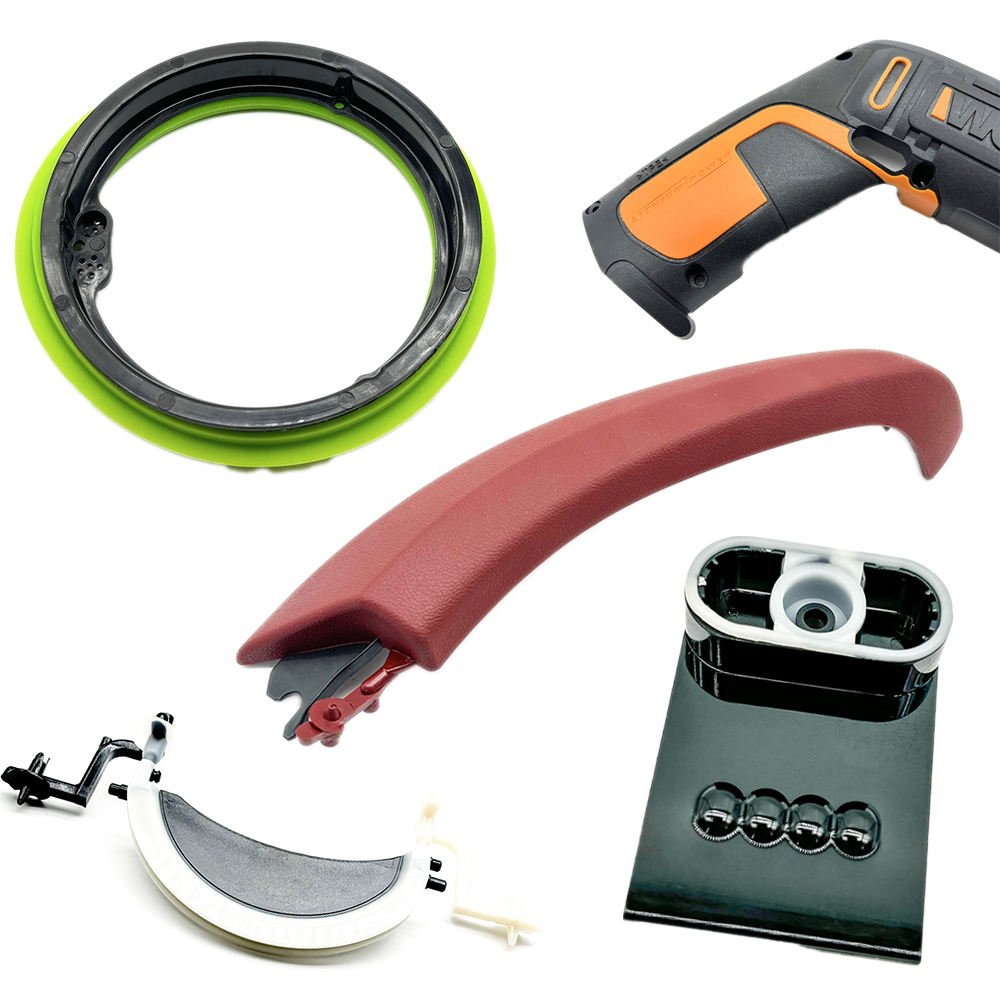
Ideal for tools, handles, consumer products requiring ergonomic grip zones and sealing applications.
Multi-Color Combinations
Different colors in single component
Transparent and opaque combinations
Contrasting or complementary colors
Perfect for automotive trim, consumer electronics, and products requiring distinctive visual design without painting.
Engineering Plastics
High strength with flexible elements
Electrical insulation with sealing
Precision mechanics with dampening
Designed for technical applications requiring superior mechanical properties and performance characteristics.
Two Shot Molding Process
First Shot Injection
First material injected into primary mold cavity to form base structure
Partial Cooling
First shot cools sufficiently to maintain shape during transfer
Mold Rotation
Part transfers to second mold station via rotating or sliding mechanism
Second Shot Injection
Second material injected onto or around first shot creating bond
Final Cooling & Ejection
Complete part cooling followed by ejection of finished component
Technical Capabilities
Our advanced two shot injection molding equipment and expertise enable complex multi-material component manufacturing with exceptional precision and repeatability.
Rotary & Transfer Systems
Both rotary table and core-back transfer mechanisms for optimal part design flexibility
Precision Registration
Tight tolerance control ensures perfect alignment between first and second shot materials
Temperature Control
Independent barrel temperature management for each material optimizes bonding and quality
Specifications
Applications & Industries
Automotive Interior
Dashboard components, control knobs, gear shifters, and interior trim with soft-touch surfaces
- • Multi-color instrument clusters
- • Soft-grip steering wheel controls
- • Door handles with sealing
Power Tools
Ergonomic tool housings combining rigid structure with comfortable rubber grips
- • Drill and driver handles
- • Impact wrench grips
- • Saw and grinder housings
Consumer Electronics
Device housings with integrated seals, buttons, and decorative elements
- • Mobile phone bezels
- • Wearable device bands
- • Remote controls
Medical Devices
Surgical instruments and diagnostic equipment with integrated seals and grip zones
- • Handheld diagnostic tools
- • Syringe components
- • Medical device housings
Household Products
Appliances and consumer goods with enhanced aesthetics and functionality
- • Kitchen appliance controls
- • Toothbrush handles
- • Razor grips
Gaming & Toys
Controllers and toys with multi-color designs and ergonomic features
- • Game controllers
- • Action figure components
- • Educational toys
Design Considerations for Two Shot Molding
Key factors to optimize your multi-material design
Design Best Practices
-
Material Compatibility: Select materials with compatible melting temperatures and chemical bonding properties
-
Bonding Surface: Design adequate surface area contact between materials for strong adhesion
-
Draft Angles: Incorporate appropriate draft for both materials to ensure proper ejection
-
Wall Thickness: Maintain uniform wall thickness within each material zone to prevent warpage
Common Challenges
-
Flash Formation: Proper mold design and clamping force prevent material overflow at parting lines
-
Poor Bonding: Material incompatibility or improper processing temperatures can cause delamination
-
Registration Issues: Misalignment between shots requires precise tooling and machine control
-
Cycle Time: Balancing cooling time between shots while maintaining quality and throughput
Frequently Asked Questions
What materials can be combined in two shot molding?
How strong is the bond between materials?
Is two shot molding more expensive than traditional molding?
What is the minimum order quantity for two shot molding?
Can you provide DFM support for two shot parts?
Why choose Rapidaccu for two shot injection molding?
Start Your Two Shot Molding Project
Experience the advantages of advanced multi-material injection molding technology
Contact Rapidaccu
Manufacturing Facility
Rongli Industrial Park, Dalang, Longhua District, Shenzhen, China
Email Us
info@rapidaccu.comExperience
15 years of injection molding expertise
Two Shot Advantages
Request Your Quote
Share your multi-material project requirements