
Heat Pipe Heat Sink
Advanced thermal transfer technology for extreme cooling demands
Request ConsultationHeat Pipe Technology Explained
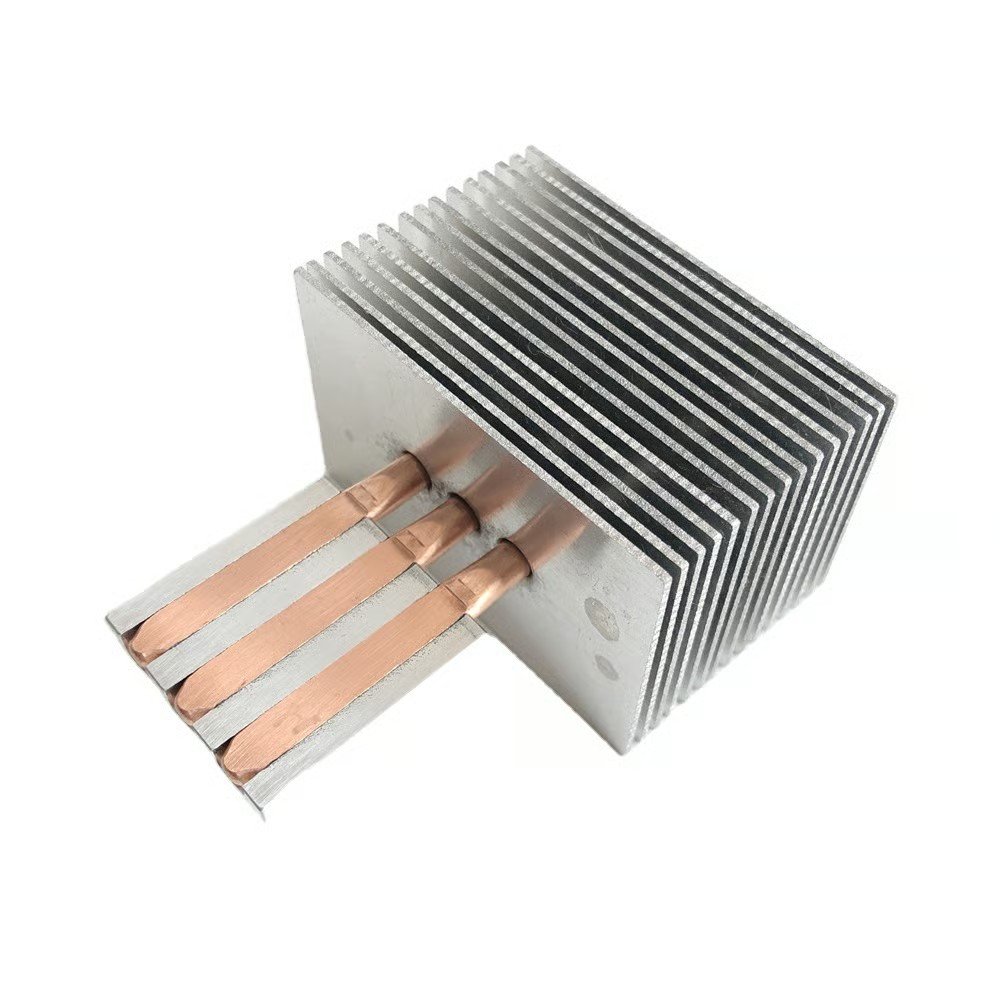
Heat pipes are sealed copper or aluminum tubes containing a working fluid that operates in a continuous evaporation-condensation cycle. When heat is applied to one end, the fluid evaporates, travels to the cooler end, condenses, and returns via capillary action or gravity.
This phase-change process enables heat pipes to transfer thermal energy at rates thousands of times faster than solid copper, making them ideal for high-power density applications where traditional heat sinks cannot meet thermal requirements.
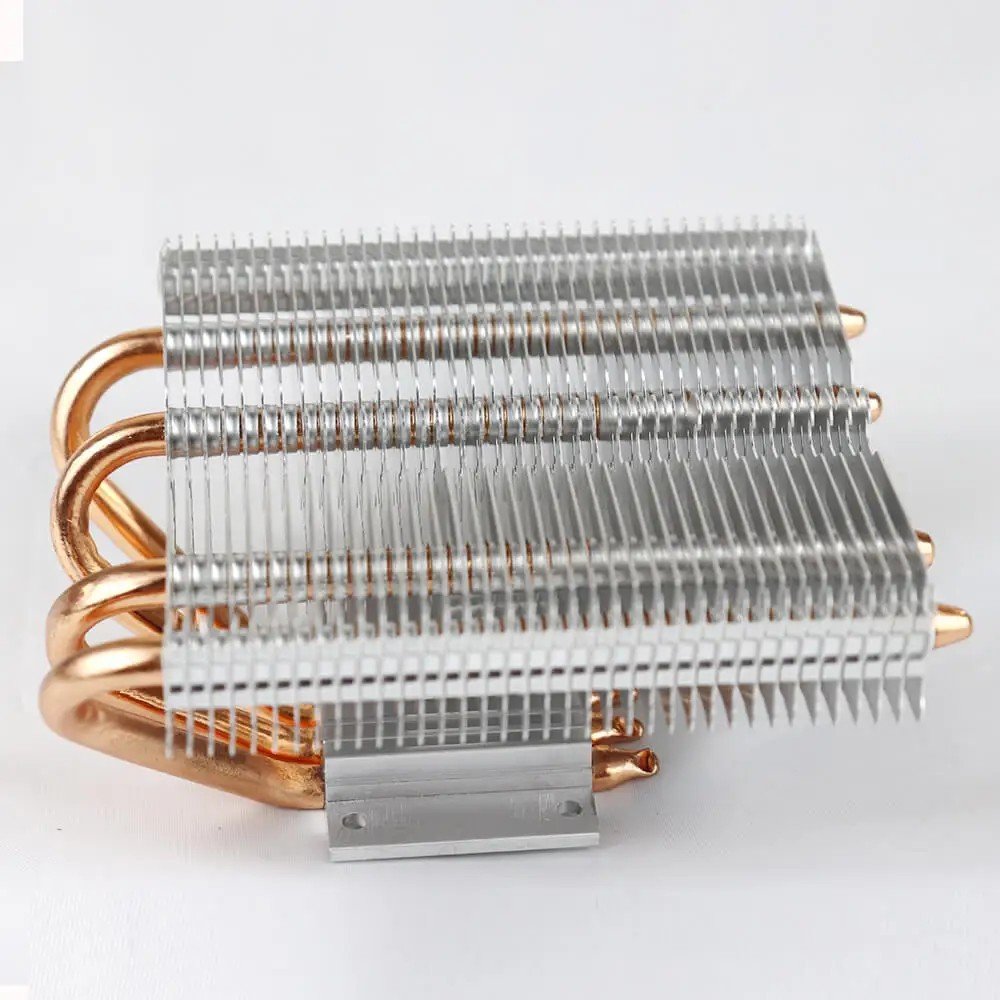
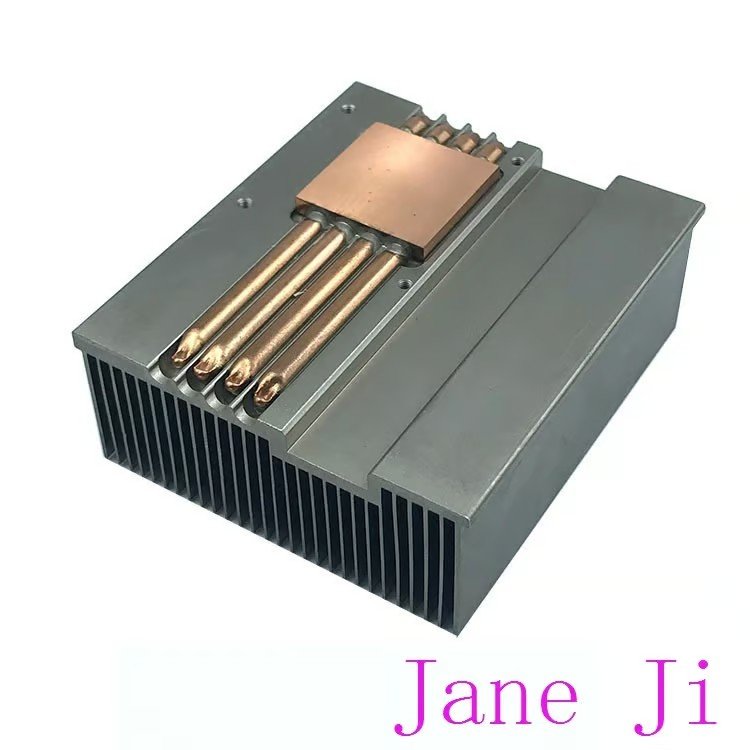
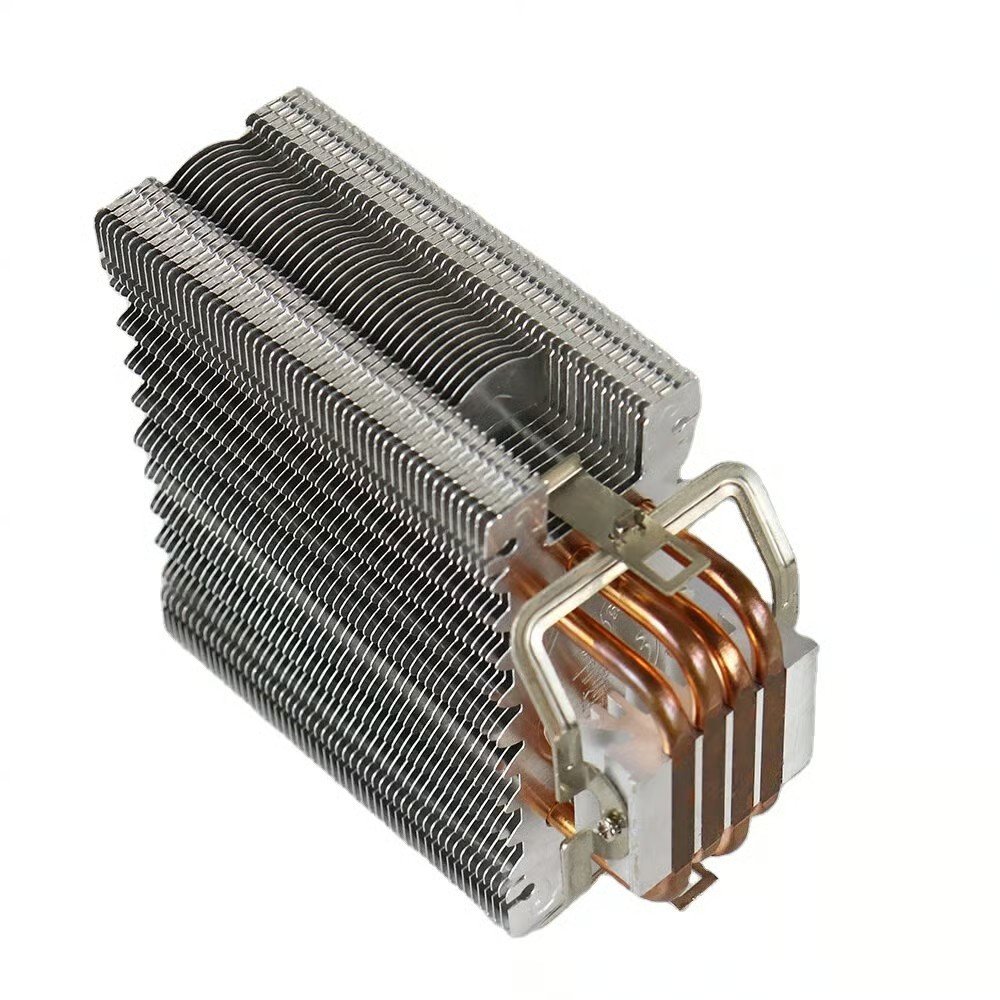
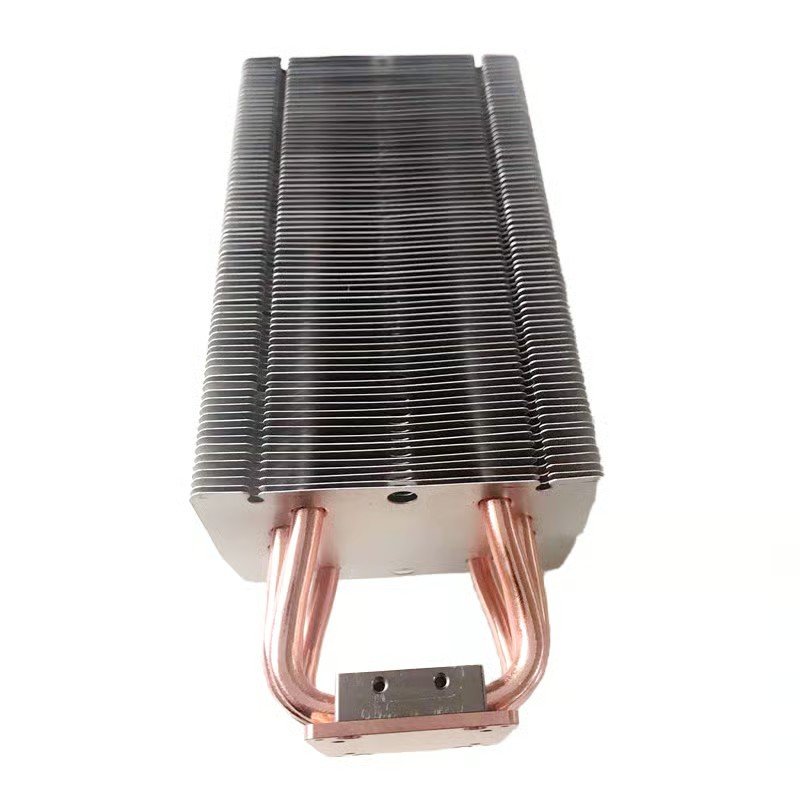
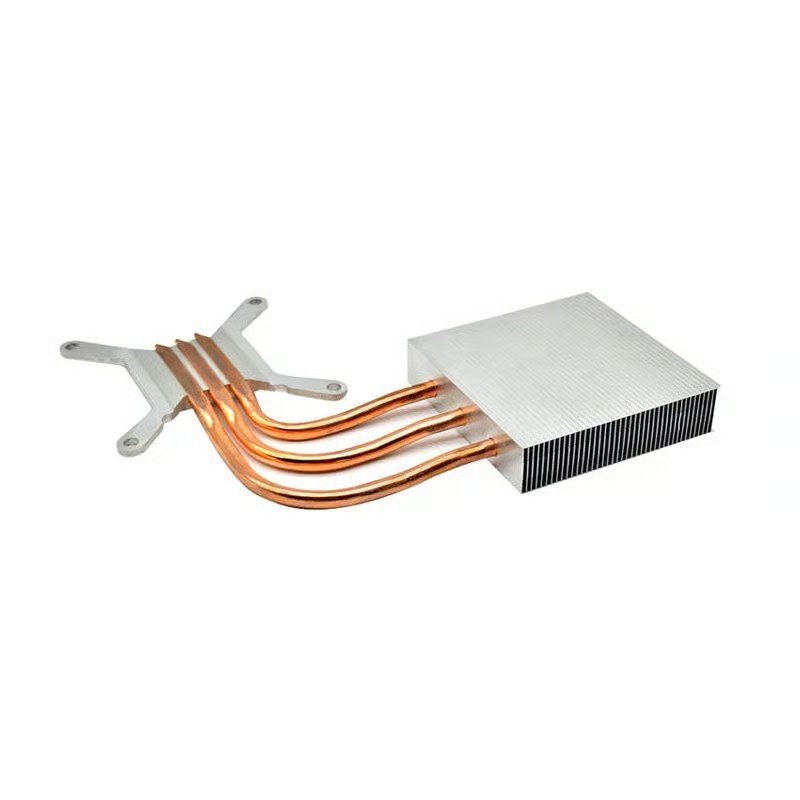
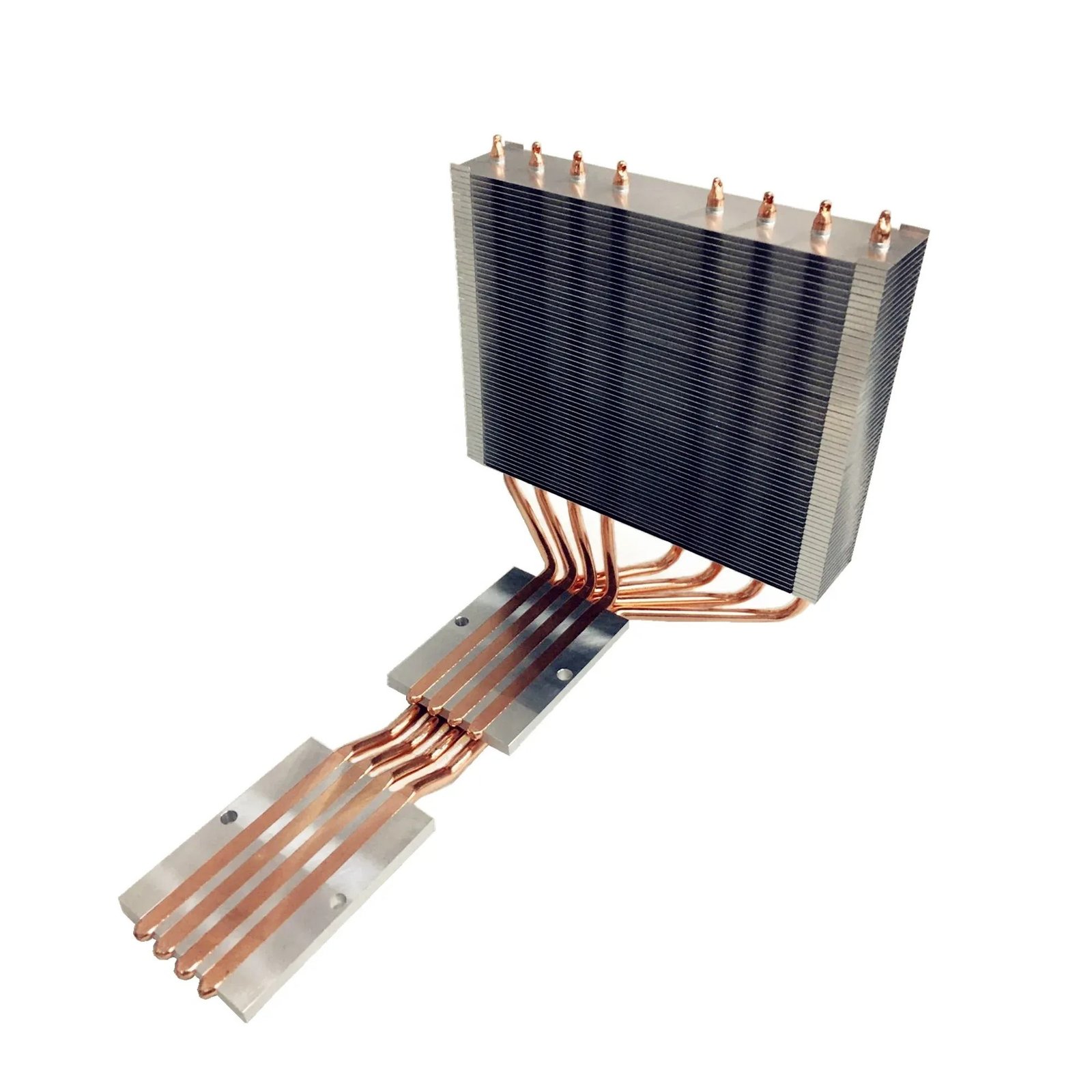
Our heat pipe heat sinks combine multiple heat pipes with aluminum or copper fin arrays to create thermal solutions capable of dissipating heat efficiently over longer distances and larger surface areas.
Performance Advantages
Why heat pipe heat sinks deliver exceptional thermal management
Ultra-High Thermal Conductivity
Heat pipes achieve effective thermal conductivity 100-1000x higher than solid copper, enabling rapid heat transfer.
Long Distance Heat Transport
Efficiently moves heat from confined spaces to larger fin arrays, ideal for space-constrained applications.
Temperature Uniformity
Distributes heat evenly across the entire fin structure, eliminating hot spots and improving cooling efficiency.
Compact Design Flexibility
Allows heat sinks to be optimized for limited spaces while maintaining high thermal performance.
Passive Cooling Solution
No moving parts or power consumption required, ensuring reliable operation and minimal maintenance.
Scalable Architecture
Multiple heat pipes can be integrated to handle increasing power levels and thermal loads.
Product Portfolio
Technical Capabilities
Heat Pipe Diameter
3mm, 4mm, 6mm, 8mm copper heat pipes
Working Fluid
Water, methanol, or ammonia depending on temperature range
Fin Materials
Aluminum 6063, copper, or hybrid combinations
Heat Pipe Quantity
2 to 12 heat pipes per assembly based on requirements
Operating Temperature
-40°C to 250°C depending on working fluid selection
Heat Pipe Configuration
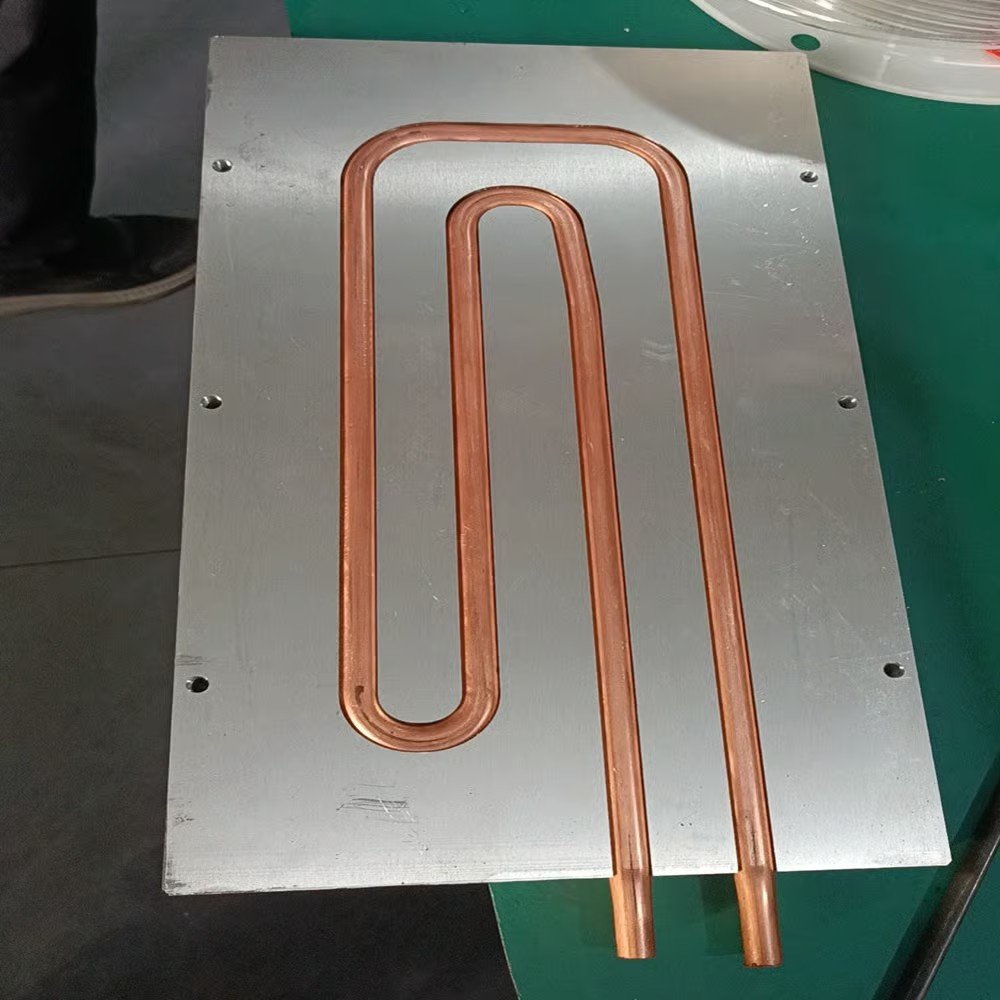
Straight, U-shape, L-shape, or custom bent configurations
Target Applications
Industries benefiting from advanced heat pipe cooling technology
Data Centers
High-Power CPUs
Gaming Systems
Graphics Cards
5G Base Stations
Power Inverters
EV Charging
LED Lighting
Projectors
Industrial Controls
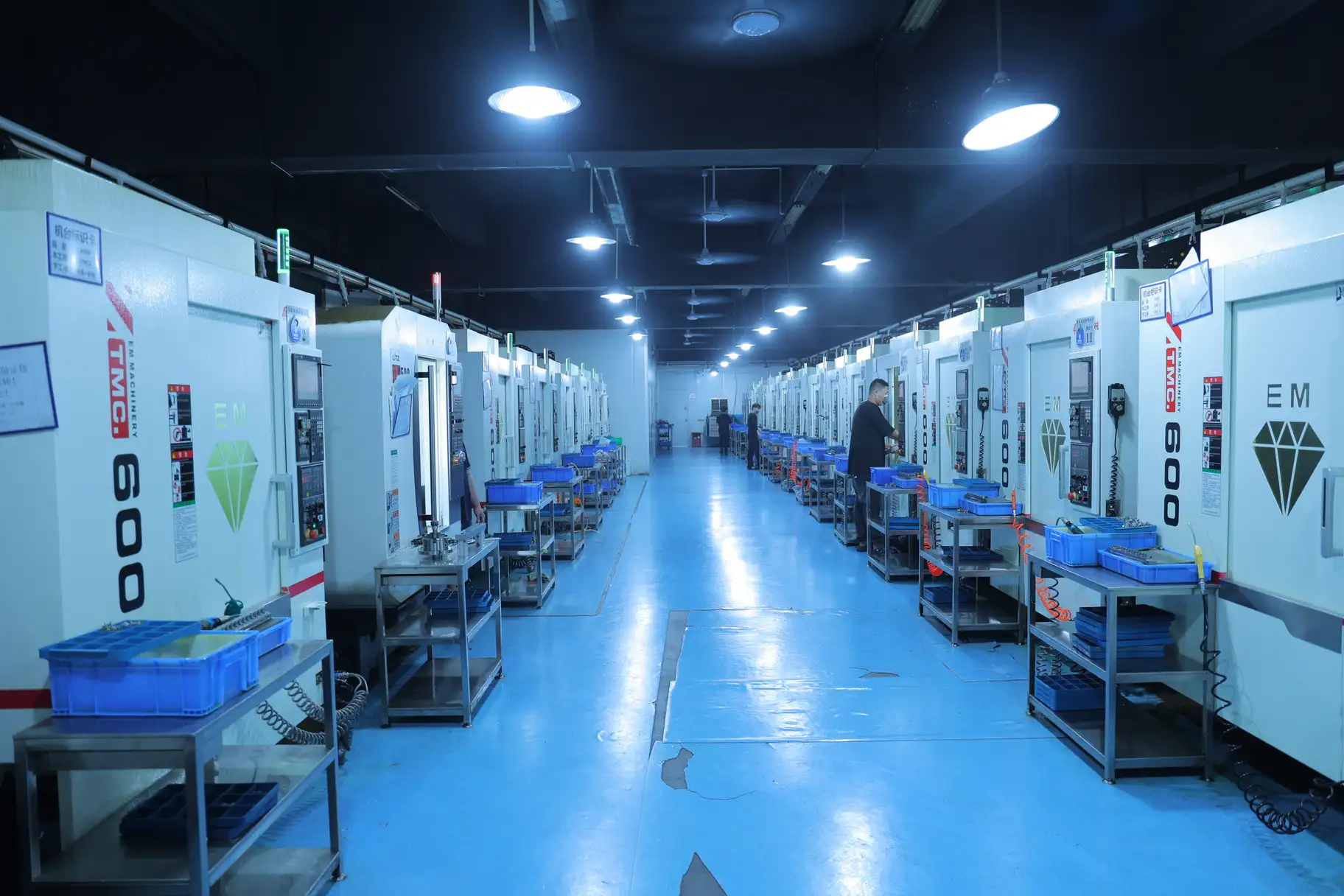
Manufacturing Excellence
Precision CNC machining and assembly facilities for heat pipe heat sink production
Common Questions
How do heat pipes compare to solid copper heat sinks?
Can heat pipes work in any orientation?
What is the lifespan of heat pipe heat sinks?
How are heat pipes attached to the fin structure?
Can you design custom heat pipe configurations?
What quality testing do you perform on heat pipe heat sinks?
Get Your Custom Heat Pipe Solution
Expert thermal engineering support for your project
Contact Details
Factory Address
Rongli Industrial Park, Dalang, Longhua District, Shenzhen, China
Email Address
info@rapidaccu.comIndustry Experience
15 Years of CNC Manufacturing Expertise