
- Home ›
- 3D Printing ›
- Polypropylene 3D Printing
Polypropylene 3D Printing
Rapidaccu delivers high-performance polypropylene components with exceptional flexibility, chemical resistance, and fatigue strength. Perfect for living hinges, automotive parts, and applications requiring durability and lightweight design.
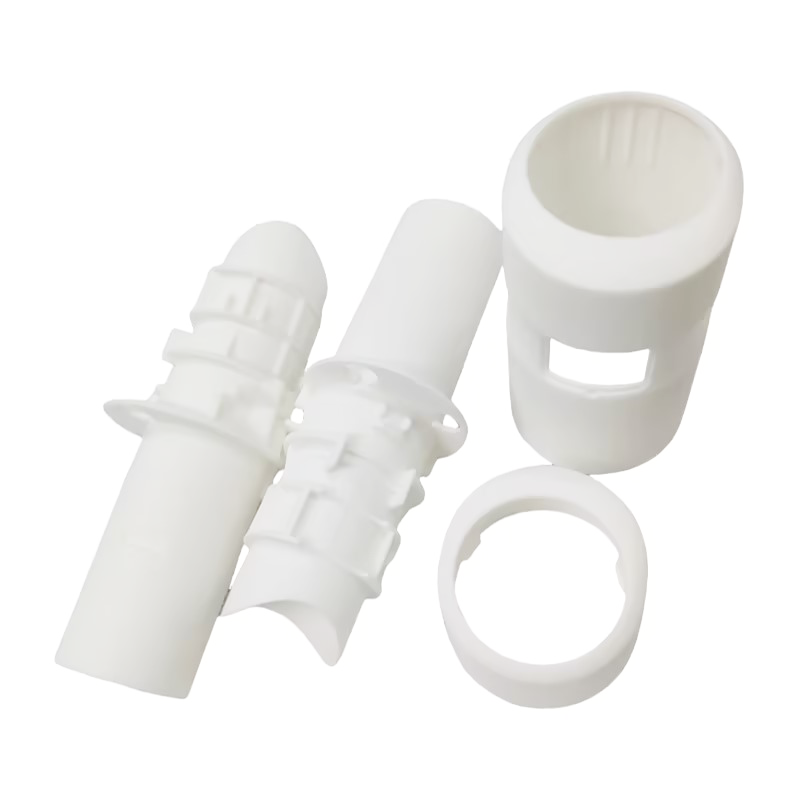
Polypropylene Key Benefits
Discover why PP is the material of choice for flexible, durable applications
Exceptional Flexibility
Superior flex fatigue resistance makes PP ideal for living hinges and repeated bending applications without failure.
Chemical Resistance
Excellent resistance to acids, alkalis, solvents, and most chemicals for demanding industrial environments.
Lightweight Material
Low density (0.90 g/cm³) reduces weight for automotive and aerospace applications requiring mass reduction.
Moisture Resistant
Virtually zero water absorption ensures dimensional stability in humid and wet environments.
Temperature Range
Performs well from -20°C to 100°C, suitable for automotive and industrial temperature variations.
Fully Recyclable
100% recyclable supporting sustainable manufacturing and environmental responsibility.

15 Years PP Expertise
Rapidaccu is a premier Chinese manufacturer specializing in polypropylene 3D printing. Our advanced Shenzhen facility serves global clients with precision engineering and quality assurance for demanding applications.
Application Industries
Automotive
Interior trim, bumpers, battery cases, fluid reservoirs, and under-hood components.
Packaging
Food containers, caps, closures, and flexible packaging with living hinge designs.
Medical
Syringes, diagnostic devices, medical containers, and laboratory equipment.
Textiles
Fibers, ropes, carpets, and non-woven fabric applications.
Industrial
Chemical tanks, pipes, valves, and corrosion-resistant equipment.
Consumer Goods
Household items, storage containers, toys, and sporting goods.
Technical Performance
Industry-leading specifications for polypropylene manufacturing
Material Properties
Living Hinge Capability
Unique ability to withstand millions of flex cycles without breaking, ideal for integrated hinges.
Low Friction Surface
Natural lubricity reduces wear in moving parts and minimizes maintenance requirements.
Electrical Insulation
Excellent dielectric properties for electrical and electronic component applications.
Food Safe Grades
FDA compliant materials available for direct food contact applications.
Manufacturing Process
Design Consultation
Expert review of your design to leverage PP’s unique flexibility and fatigue resistance properties.
Material Preparation
Selection of optimal PP grade (homopolymer or copolymer) based on application requirements.
3D Printing Production
Advanced FDM technology with controlled environment for consistent PP part quality.
Quality Verification
Comprehensive testing including dimensional accuracy, flex fatigue, and chemical resistance verification.
Frequently Asked Questions
What makes polypropylene ideal for living hinges?
Is polypropylene suitable for food contact?
How does PP compare to other flexible plastics?
What are the temperature limitations of PP?
Can PP be reinforced for higher strength?
What tolerances can you achieve with PP?
Request PP Manufacturing Quote
Partner with Rapidaccu for expert polypropylene 3D printing services. Our team delivers flexible, durable solutions for your most demanding applications.