
- Home ›
- Sheet Metal Fabrication ›
- Cast Iron Sheet Metal Fabrication
Cast Iron Sheet Metal Fabrication
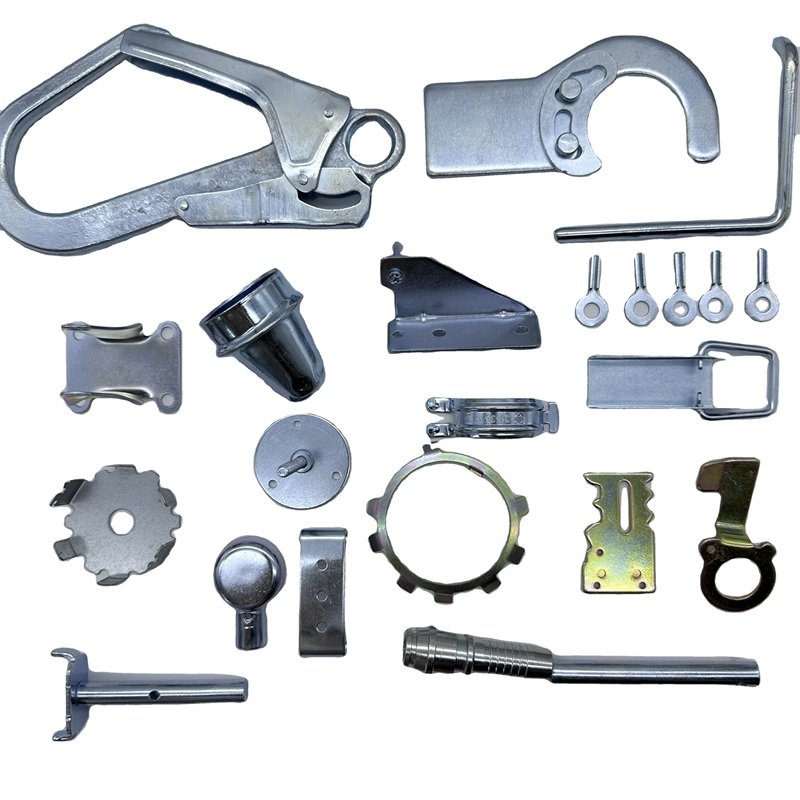
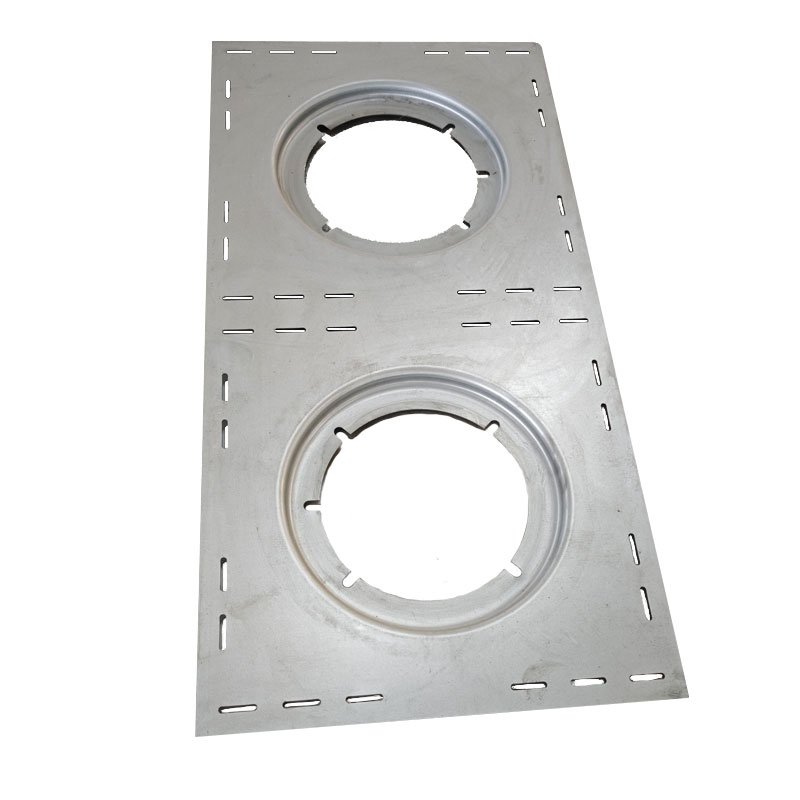
Rapidaccu delivers specialized cast iron sheet metal fabrication with 15 years of manufacturing expertise. We produce durable, wear-resistant cast iron components for automotive, machinery, and heavy industrial applications requiring exceptional damping properties and thermal stability.
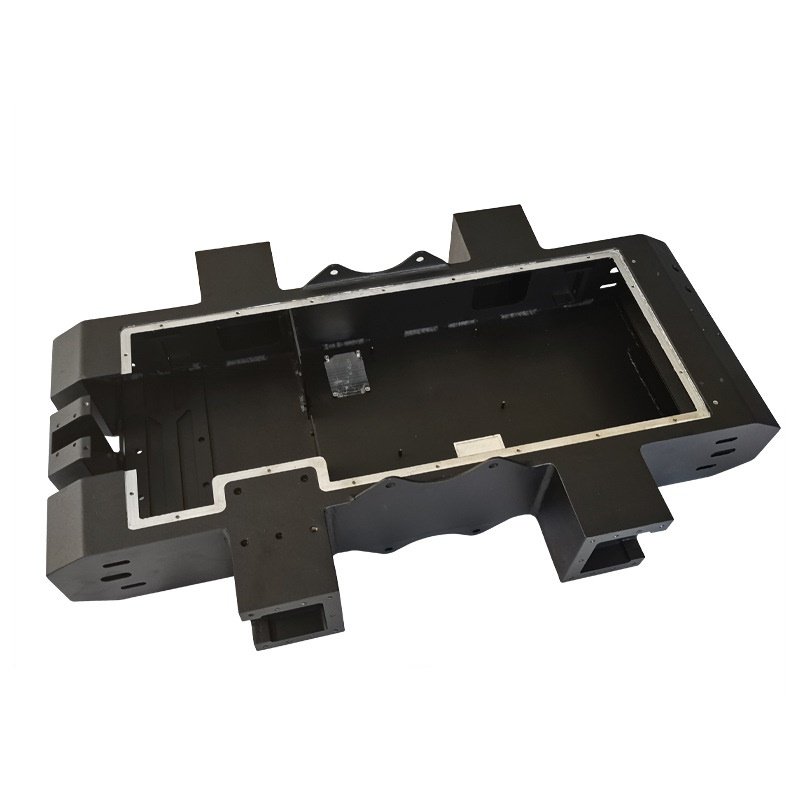
Cast Iron Performance Advantages
Unique properties make cast iron ideal for demanding industrial applications
Exceptional Wear Resistance
Graphite flakes provide self-lubricating properties reducing friction and wear. Superior abrasion resistance extends component life in harsh environments.
Vibration Damping
Outstanding damping capacity absorbs vibrations and reduces noise. Ideal for machine bases, engine blocks, and precision equipment foundations.
Thermal Stability
Excellent thermal conductivity and low thermal expansion. Maintains dimensional stability across temperature fluctuations and thermal cycling.
High Compressive Strength
Superior compressive strength compared to tensile strength. Excellent for applications involving heavy loads and bearing pressures.
Cost-Effective
Lower material costs than steel alloys with excellent castability. Complex shapes can be produced economically through casting processes.
Excellent Machinability
Gray cast iron machines easily producing good surface finishes. Graphite flakes act as chip breakers reducing tool wear during machining.
Cast Iron Types & Specifications
Different cast iron grades optimized for specific performance requirements
Gray Cast Iron
Carbon Content: 2.5-4.0%
Microstructure: Graphite flakes in ferrite/pearlite matrix
Most widely used cast iron with excellent machinability, wear resistance, and vibration damping. Graphite flakes provide lubricity and chip breaking during machining.
Typical Applications:
- Engine blocks and cylinder heads
- Machine tool bases and frames
- Brake rotors and drums
- Pump housings and manifolds
Ductile Iron
Carbon Content: 3.0-4.0%
Microstructure: Spheroidal graphite nodules
Also known as nodular iron, offers higher strength, toughness, and ductility than gray iron. Spheroidal graphite provides improved mechanical properties while maintaining castability.
Typical Applications:
- Crankshafts and gears
- Suspension components
- Heavy-duty valve bodies
- Wind turbine components
White Cast Iron
Carbon Content: 2.5-3.5%
Microstructure: Carbide structure, no graphite
Extremely hard and wear-resistant but brittle. Carbon exists as iron carbide rather than graphite. Excellent for applications requiring maximum abrasion resistance.
Typical Applications:
- Crushing equipment liners
- Grinding mill components
- Wear plates and surfaces
- Mining equipment parts
Malleable Iron
Process: Heat-treated white iron
Microstructure: Temper carbon nodules
White cast iron heat-treated to convert carbides into graphite nodules. Offers good ductility and impact resistance with moderate strength and excellent machinability.
Typical Applications:
- Pipe fittings and flanges
- Agricultural equipment
- Hand tools and wrenches
- Railroad equipment
Fabrication & Machining Services
CNC Machining
Precision milling, turning, and drilling operations. Specialized tooling and cutting parameters optimized for cast iron’s unique characteristics.
Surface Grinding
Precision surface finishing for flatness and parallelism requirements. Achieves tight tolerances and smooth finishes on critical mating surfaces.
Boring & Honing
Internal cylinder boring and honing for precise diameters. Critical for engine blocks, hydraulic cylinders, and bearing housings.
Tapping & Threading
Thread cutting and tapping operations for fastener holes. Proper thread engagement ensures secure assembly in cast iron components.
Surface Treatment
Painting, powder coating, and rust prevention treatments. Protective coatings extend service life in corrosive environments.
Quality Inspection
Dimensional verification, hardness testing, and non-destructive testing. CMM inspection ensures all specifications are met.
Industrial Applications
Automotive
Engine blocks, brake components, transmission housings
Heavy Machinery
Machine bases, frames, gearbox housings
Pumps & Valves
Pump housings, valve bodies, impellers
Construction
Counterweights, wear plates, ground supports
Railroad
Brake shoes, couplings, bearing caps
Agriculture
Tractor parts, implement components
Material Handling
Conveyor components, crane parts
Machine Tools
Lathe beds, milling tables, fixtures
Rapidaccu Cast Iron Expertise
Decades of experience in cast iron fabrication and machining
Specialized Tooling
Carbide and ceramic tooling optimized for cast iron’s abrasive nature and graphite content.
Skilled Machinists
Experienced operators understand cast iron’s unique machining requirements and best practices.
Quality Systems
ISO 9001:2015 certified processes ensure consistent quality and traceability throughout fabrication.
15 Years Experience
Proven track record delivering precision cast iron components for diverse industrial applications.
Frequently Asked Questions
What is the difference between gray and ductile iron?
Can cast iron be welded?
Why is cast iron preferred for machine bases?
What machining tolerances can you achieve?
Do you provide cast iron material or only machining?
How do you prevent rust on cast iron parts?
More Sheet Metal Materials
Explore our full range of precision fabrication capabilities
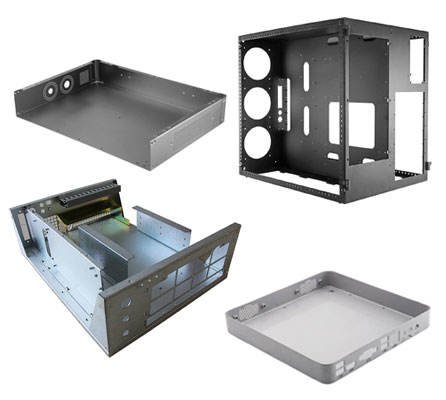
Aluminum
Lightweight & corrosion-resistant
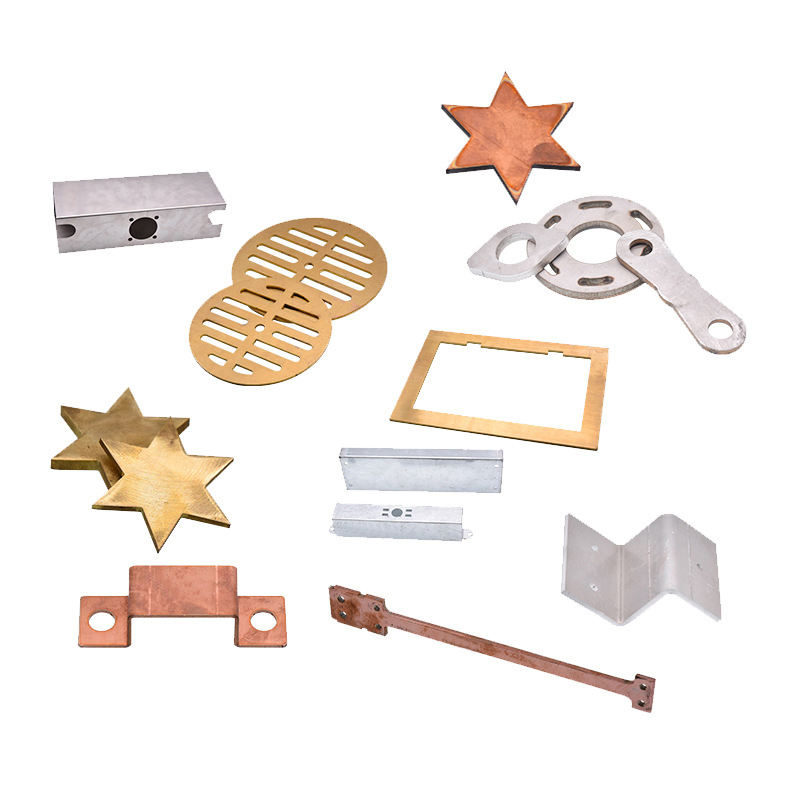
Brass
Antimicrobial & decorative excellence
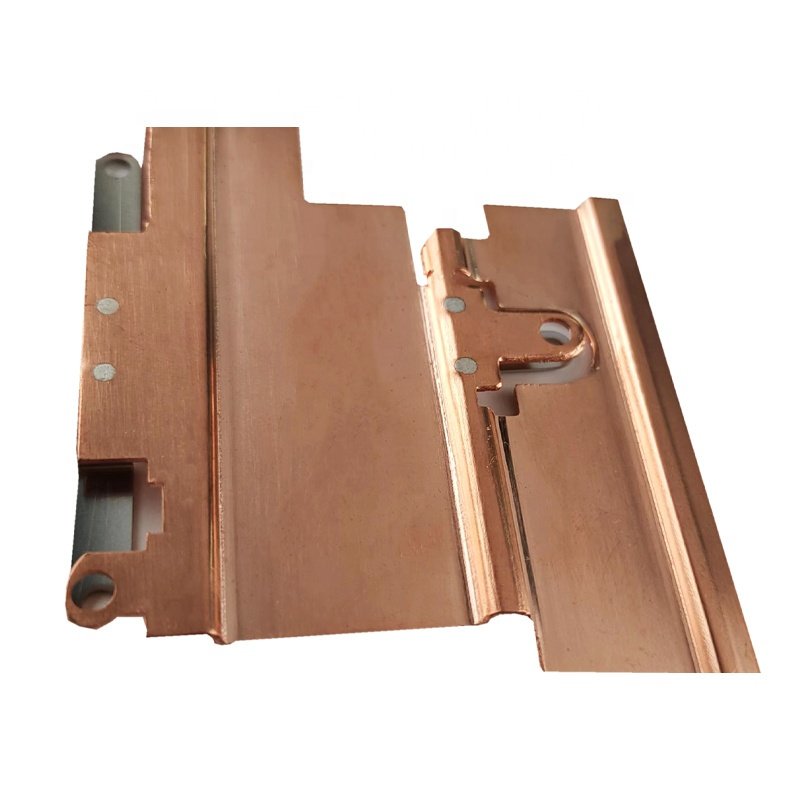
Bronze
Wear-resistant & marine-grade
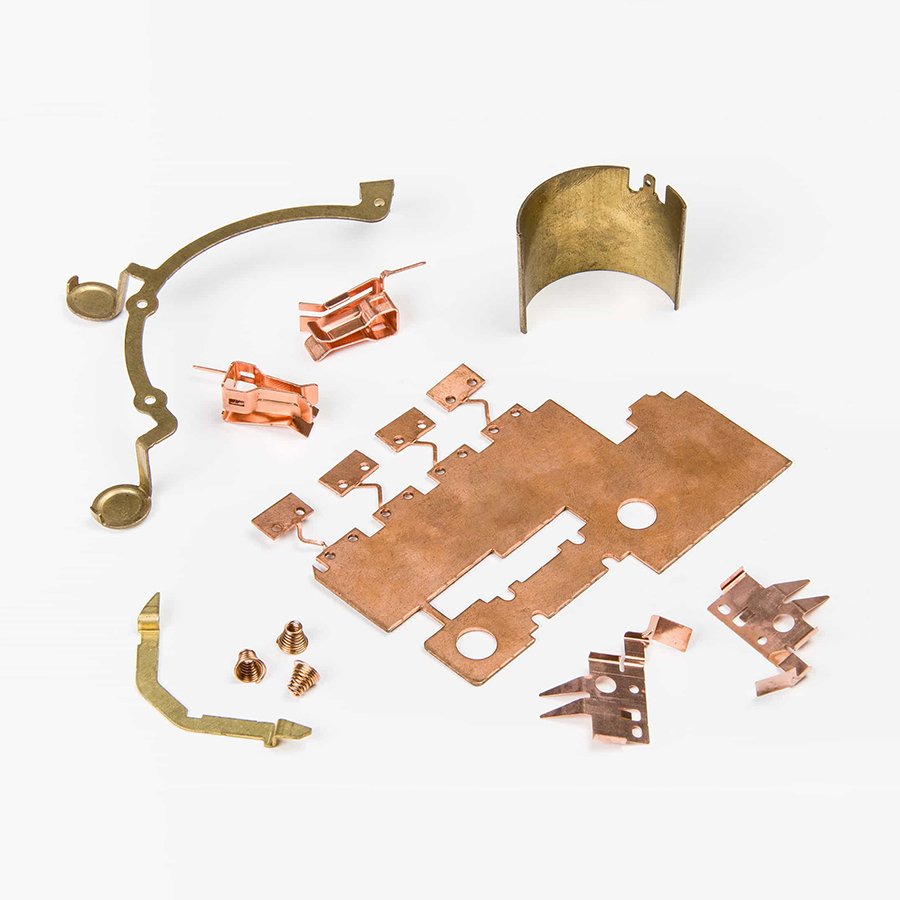
Copper
Superior electrical conductivity
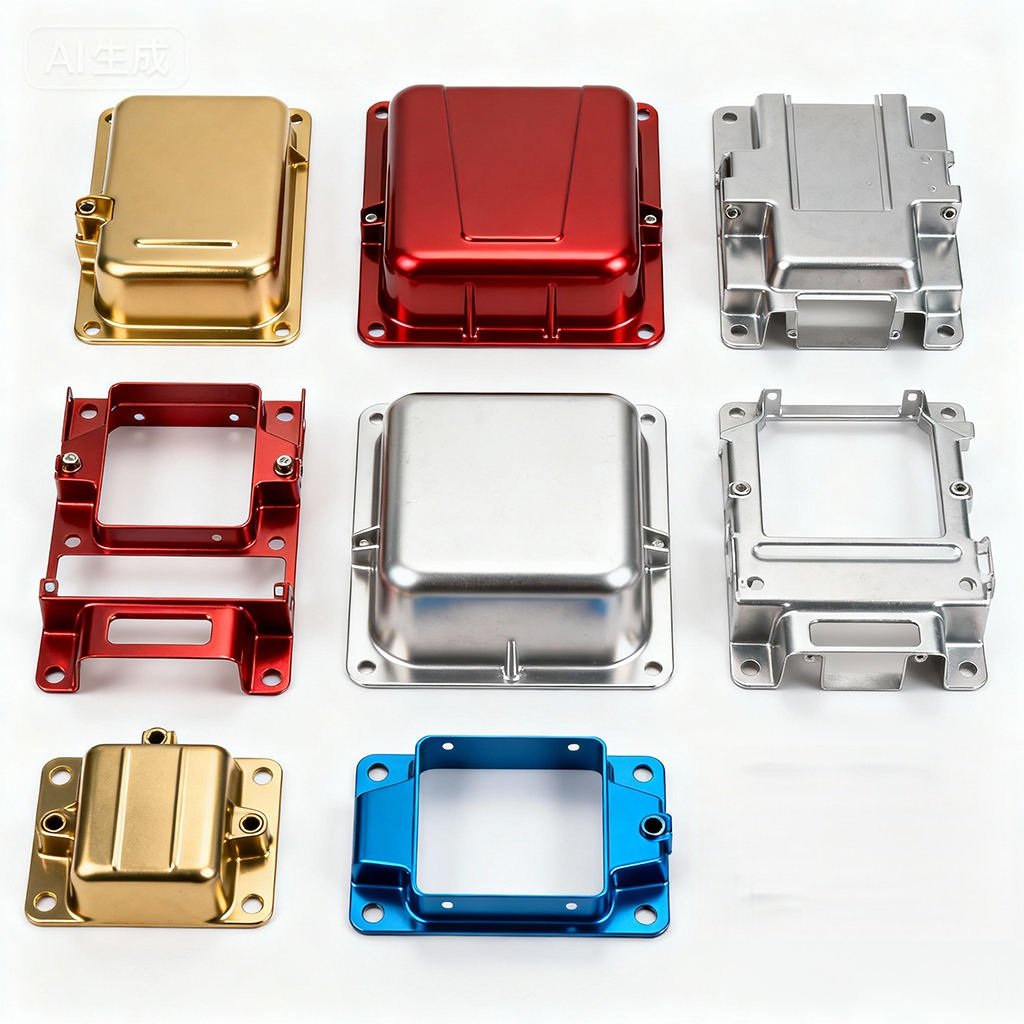
Stainless Steel
Hygienic & corrosion-proof
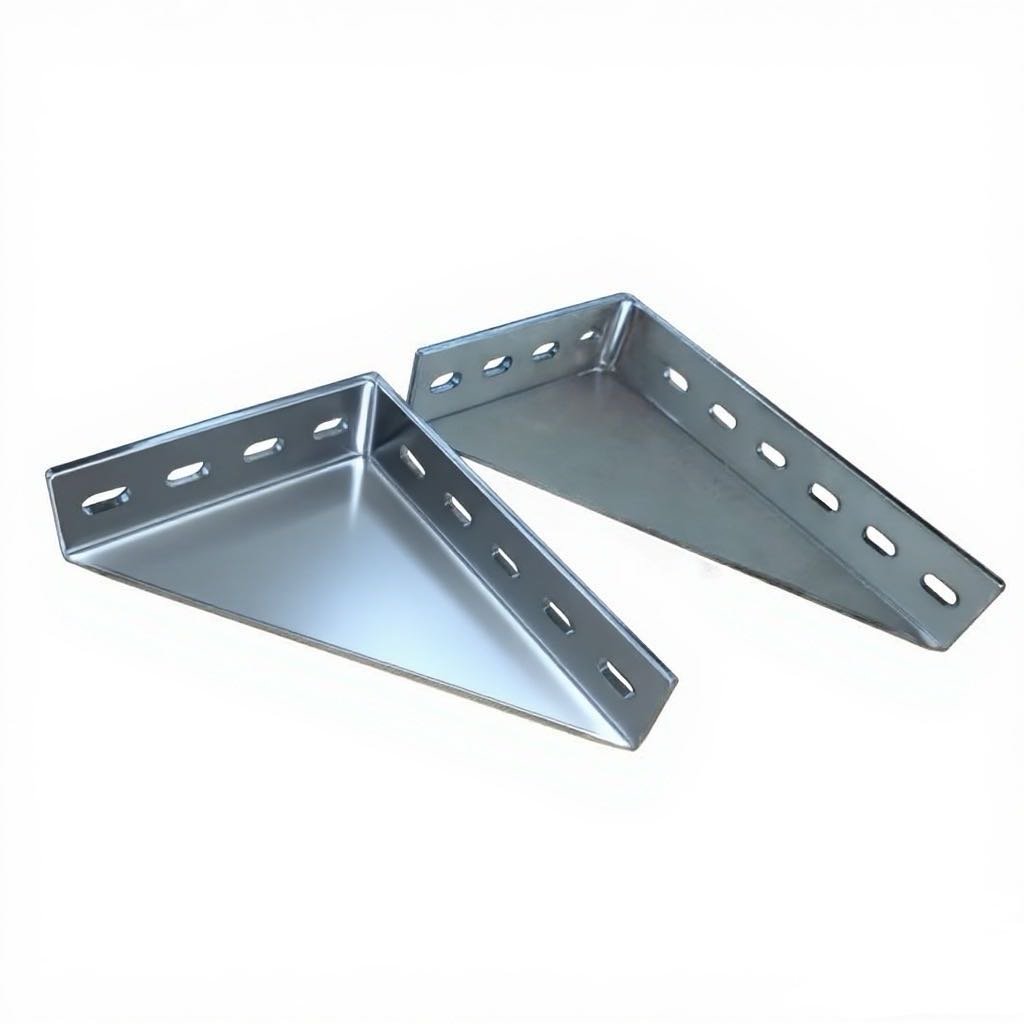
Steel
Strong & cost-effective
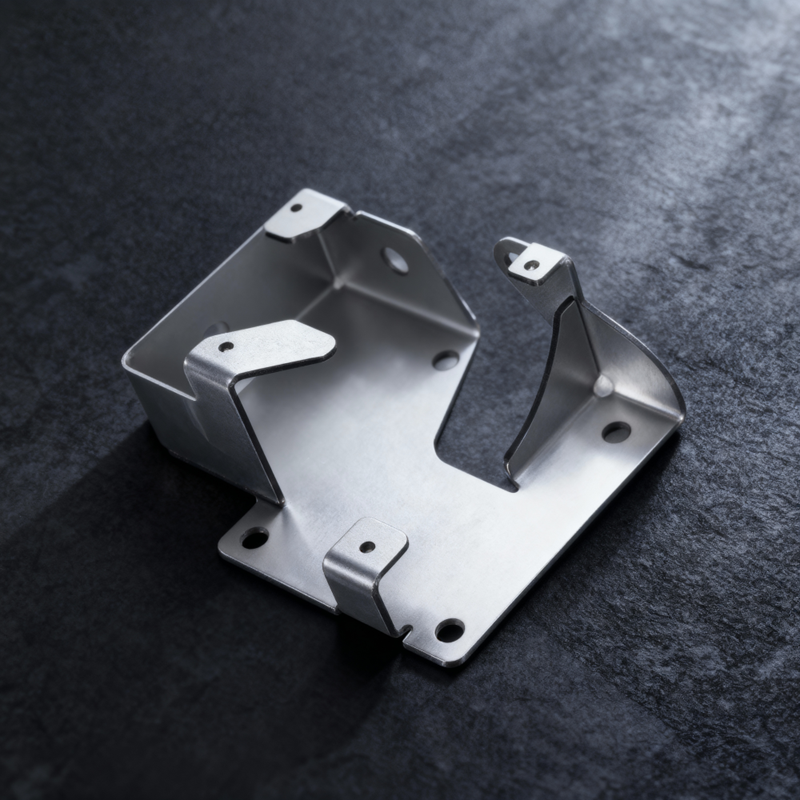
Titanium
Aerospace-grade strength
Tool Steel
Exceptional hardness & wear resistance
Inconel
High-temperature superalloy
More Sheet Metal Materials
Explore our full spectrum of precision fabrication capabilities
Aluminum
Lightweight champion for aerospace
Stainless Steel
Corrosion-resistant excellence for demanding environments
Bronze
Classic alloy for bearings and marine
Steel
Reliable strength for structural applications
Copper
Superior conductivity for electrical systems
Titanium
Aerospace-grade strength-to-weight ratio
Tool Steel
Hardened precision for tooling and dies
Inconel
Extreme temperature superalloy performance
Brass
Decorative and antimicrobial properties
Request Cast Iron Fabrication Quote
Partner with Rapidaccu for expert cast iron sheet metal fabrication and machining. Our 15 years of experience ensures your components meet the highest standards for wear resistance, damping, and dimensional accuracy in industrial applications.
Manufacturing Location
Rongli Industrial Park, Dalang, Longhua District, Shenzhen, China
Email Address
info@rapidaccu.comManufacturing Experience
15 Years in Cast Iron Fabrication Excellence