18/0 vs 18/8 vs 18/10 Stainless Steel: Which is better?
At Rapidaccu, we understand that selecting the right material is the foundation of any successful manufacturing project. When it comes to stainless steel, the numbers 18/0, 18/8, and 18/10 are ubiquitous, yet often misunderstood designations that define the alloy’s composition. These fractions refer specifically to the percentage of chromium and nickel contained within the steel—the first number representing chromium and the second representing nickel. While they may all look similar to the untrained eye, the microstructural differences between these grades dictate their corrosion resistance, magnetism, and suitability for specific environments. Whether you are engineering flatware, industrial components, or medical devices, understanding the distinct chemistry of these alloys is crucial for ensuring longevity and performance.
Are You Overpaying or Under-Engineering?
The difference between a product that rusts within months and one that lasts a lifetime often comes down to just 2% nickel. However, simply choosing the most expensive alloy isn’t always the smartest engineering decision. Did you know that in certain magnetic applications, the “superior” 18/10 grade would actually fail? In this comprehensive guide, we will dive deep into the metallurgy behind these grades. We will uncover why price isn’t the only factor and equip you with the technical knowledge to optimize your manufacturing costs without compromising on quality. Read on to master the nuances of stainless steel selection.
Series 400 18/0 Stainless Steel
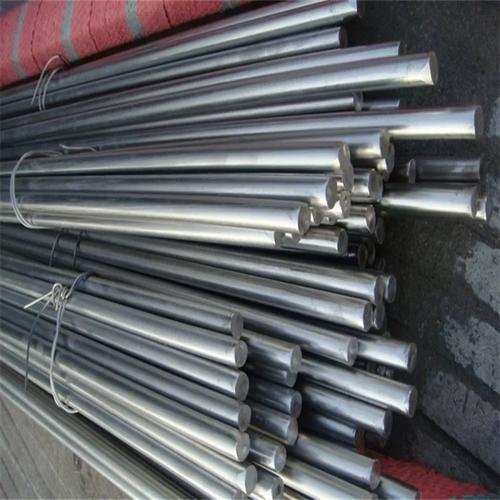
18/0 stainless steel, primarily associated with the 400 series (specifically Grade 430), contains 18% chromium and 0% nickel. This absence of nickel changes the crystal structure from austenite to ferrite. It is the most economical option among the three, often characterized by a softer shine compared to its nickel-bearing counterparts. At Rapidaccu, we frequently recommend this grade for applications where corrosion resistance is required, but extreme durability against acids is not the primary concern.
Characteristics
- Melting Point: Approximately 1425°C – 1510°C.
- Density: 7.75 g/cm³.
- Magnetism: Magnetic. Due to its ferritic structure, 18/0 will hold a magnet, a key identifier.
Advantages
The primary advantage is cost-effectiveness. The lack of expensive nickel makes it significantly cheaper. It also features good formability and ductility, making it easier to machine for specific non-critical parts.
Disadvantages
It has the lowest corrosion resistance of the three. Over time, especially in humid or saline environments, it is prone to spotting and rusting. It lacks the high-luster finish of nickel alloys.
Applications
Everyday flatware (knives usually use a variation of this for hardness), decorative automotive trim, interior architectural paneling, and induction cookware bottoms.
Series 300 18/8 Stainless Steel
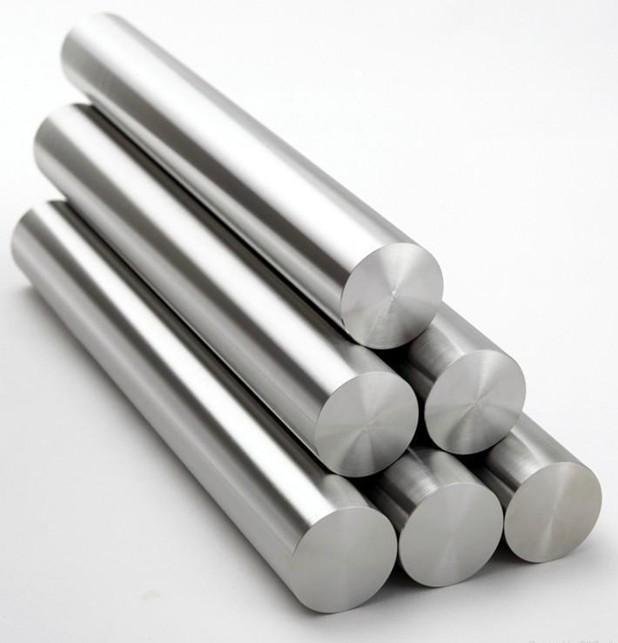
18/8 stainless steel is the industry standard for the 304 grade. Containing 18% chromium and 8% nickel, this alloy represents the “sweet spot” for many of our clients at Rapidaccu. The addition of nickel transforms the steel into an austenitic structure, which significantly enhances its resistance to corrosion and oxidation. It is the most versatile stainless steel alloy used globally, offering a balance between performance and price that is difficult to beat.
Characteristics
- Melting Point: Approximately 1400°C – 1450°C.
- Density: 8.00 g/cm³.
- Magnetism: Non-Magnetic (generally). However, cold working can induce slight magnetism.
Advantages
Excellent corrosion resistance against food acids and chemicals. It maintains a bright, attractive finish and offers high tensile strength. It is easily sanitized, making it ideal for hygiene-critical sectors.
Disadvantages
More expensive than 18/0 due to nickel content. While resistant to many chemicals, it is susceptible to pitting corrosion in high-chloride (saltwater) environments compared to marine grades.
Applications
Commercial kitchen equipment, storage tanks, piping, fasteners, cutlery, and sinks. It is the backbone of the food and beverage industry.
Premium 300 18/10 Stainless Steel
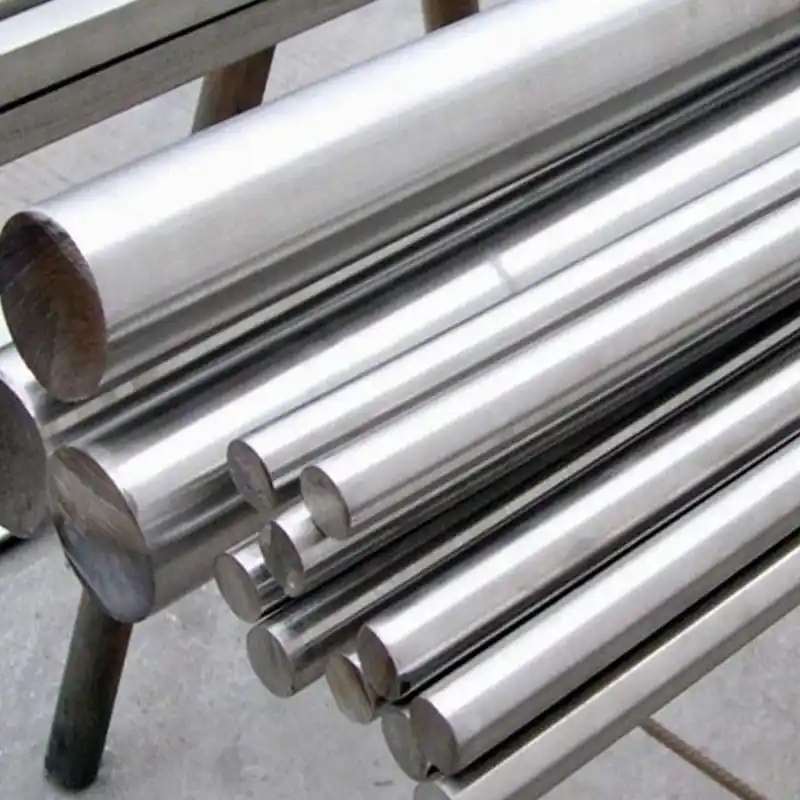
Often marketed as the premium choice, 18/10 stainless steel contains 18% chromium and 10% nickel. While technically still falling under the Grade 304 umbrella in many standards, the extra 2% nickel provides a tangible difference in performance and aesthetics. At Rapidaccu, we designate this for projects requiring superior luster and enhanced resistance. It feels heavier in the hand and offers a “silver-like” shine that 18/0 simply cannot replicate.
Characteristics
- Melting Point: Approximately 1400°C – 1450°C.
- Density: 8.03 g/cm³ (Slightly denser due to higher nickel).
- Magnetism: Non-Magnetic. The austenitic structure is very stable.
Advantages
Superior corrosion resistance and rust prevention. The high nickel content provides a brighter, polished luster that lasts longer. It is highly resistant to food acids and maintains its structural integrity under thermal stress.
Disadvantages
It is the most expensive option among the three. For purely functional industrial parts hidden from view, the extra cost over 18/8 may not always yield a necessary ROI.
Applications
High-end flatware and cutlery, premium cookware, medical surgical instruments, and architectural features where aesthetics are paramount.
Comparative Performance Analysis
To help you visualize the differences, our engineering team at Rapidaccu has compiled this direct comparison of the three grades across critical performance metrics.
| Feature | 18/0 (Grade 430) | 18/8 (Grade 304) | 18/10 (Premium 304) |
|---|---|---|---|
| Nickel Content | 0% (Negligible) | ~8% | ~10% |
| Corrosion Resistance | Moderate | High | Very High |
| Magnetism | Yes (Magnetic) | No (Mostly) | No (Non-Magnetic) |
| Luster / Shine | Soft, duller over time | Bright | Deep, high polish |
| Cost Index | $ (Low) | $$ (Medium) | $$$ (High) |
How to Choose the Right Steel for Your Project?
Selecting between 18/0, 18/8, and 18/10 is not just about budget; it is about environment and lifecycle.
Select 18/0 if your product requires magnetism (like induction cookware or magnetic boards), or if you are manufacturing low-cost items that will not be exposed to harsh corrosive elements.
Select 18/8 as your default for general industrial applications, kitchen equipment, and outdoor fixtures. It offers the best balance of price and durability for 90% of standard use cases.
Select 18/10 when aesthetics are critical or the environment is particularly aggressive regarding acidity. If you are producing luxury goods or medical instruments where surface finish communicates quality, 18/10 is the mandatory choice.
Precision Stainless Steel Machining Services
Knowing the material is step one; processing it with precision is step two. At Rapidaccu, we specialize in transforming raw stainless steel into high-tolerance components. Our facility is equipped to handle the unique work-hardening properties of austenitic steels (18/8 and 18/10) and the ductility of ferritic steels (18/0).
- Metal Stamping
- Metal Extrusion
- Powder Coating
- Laser Cutting