
Bushing Types: How to Choose the Right Bushing for Load, Wear, and Alignment
Bushings are one of the simplest machine elements—and one of the easiest to get wrong. The correct bushing type improves alignment, reduces friction, controls vibration, and protects higher-cost components like shafts and housings. The wrong bushing can cause premature wear, noise, heat buildup, or even catastrophic seizure.
This guide breaks down the most common bushing types, what each is designed to do, and how professional buyers and engineers select bushings based on load direction, motion, lubrication strategy, misalignment, and installation constraints.
What Is a Bushing?
A bushing is a cylindrical bearing element placed between two parts to reduce friction, guide motion, and absorb wear. In most designs, the bushing is the sacrificial surface—it wears first so the shaft or housing does not.
Unlike rolling bearings, bushings are often preferred in dirty environments, oscillating motion, shock loads, or where low cost and compact packaging matter. Bushings can be metallic, polymer-based, composite, or elastomeric, and they can be manufactured as press-fit sleeves, flanged parts, threaded forms, or precision alignment components.
Why bushing selection fails
- Load direction not identified (radial vs axial vs combined)
- Misalignment not considered (assembly tolerance, deflection, vibration)
- Surface finish and shaft hardness mismatch
- Lubrication strategy unclear (greased, oil-fed, dry-running)
- Press-fit or retention method not engineered
Bushing Selection Checklist (Engineer-Friendly)
Load & Motion
- Radial load, axial load, or combined?
- Rotation, oscillation, or linear sliding?
- Shock loading or steady-state operation?
Fit, Tolerance & Alignment
- Press-fit or slip-fit? How is retention ensured?
- Expected misalignment (angular/parallel) and housing distortion?
- Shaft surface finish and hardness requirements?
Lubrication & Environment
- Grease/oil-fed or dry-running design?
- Dust, moisture, chemicals, temperature exposure?
- Need corrosion resistance or special materials?
Installation & Serviceability
- Is frequent replacement expected?
- Need quick removal without damaging the shaft/housing?
- Is a flange or threading needed for positioning?
Bushing Types (Quick Navigation)
Bushing Types
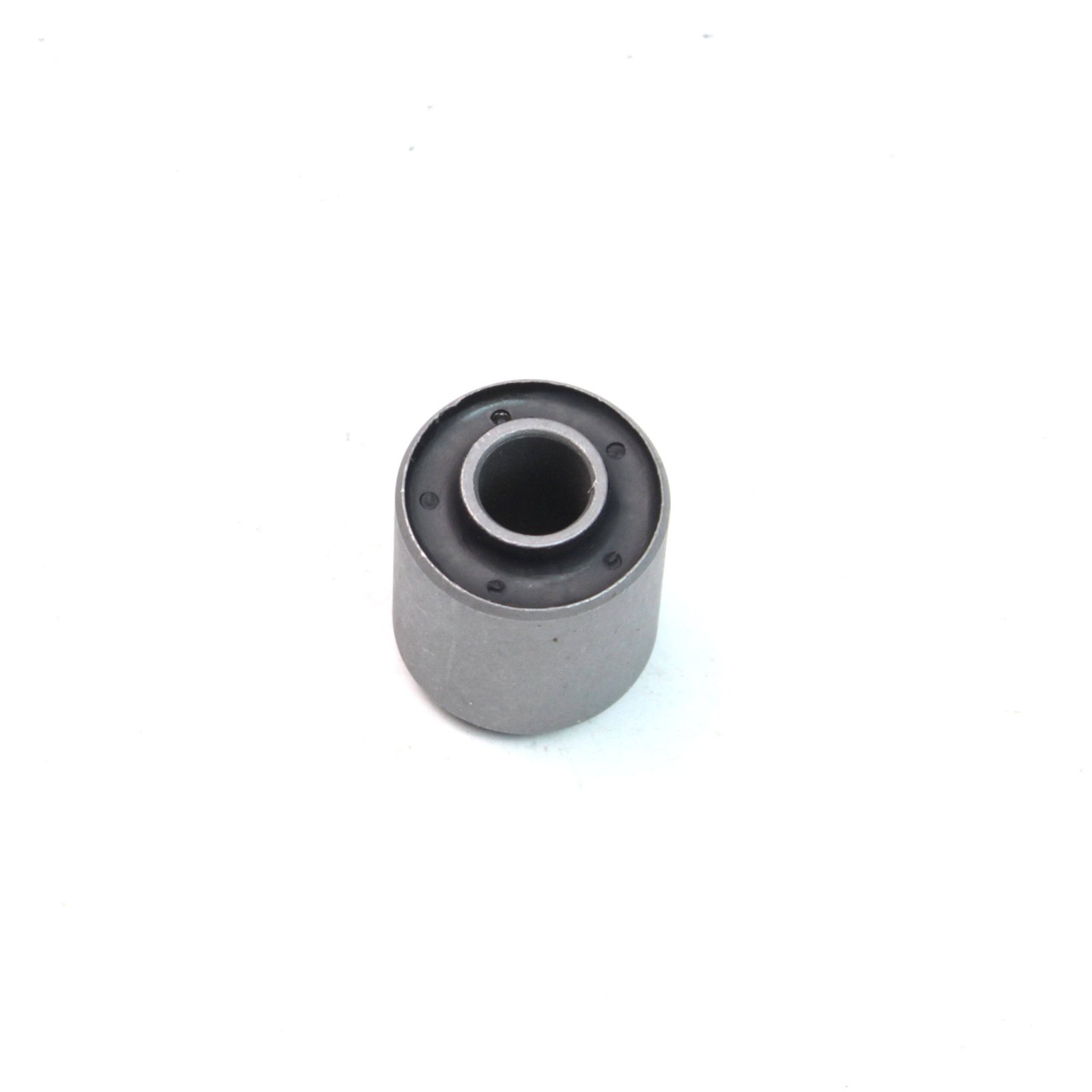
Shock Bushings
- High impact absorption
- Vibration dampening
- Automotive grade durability
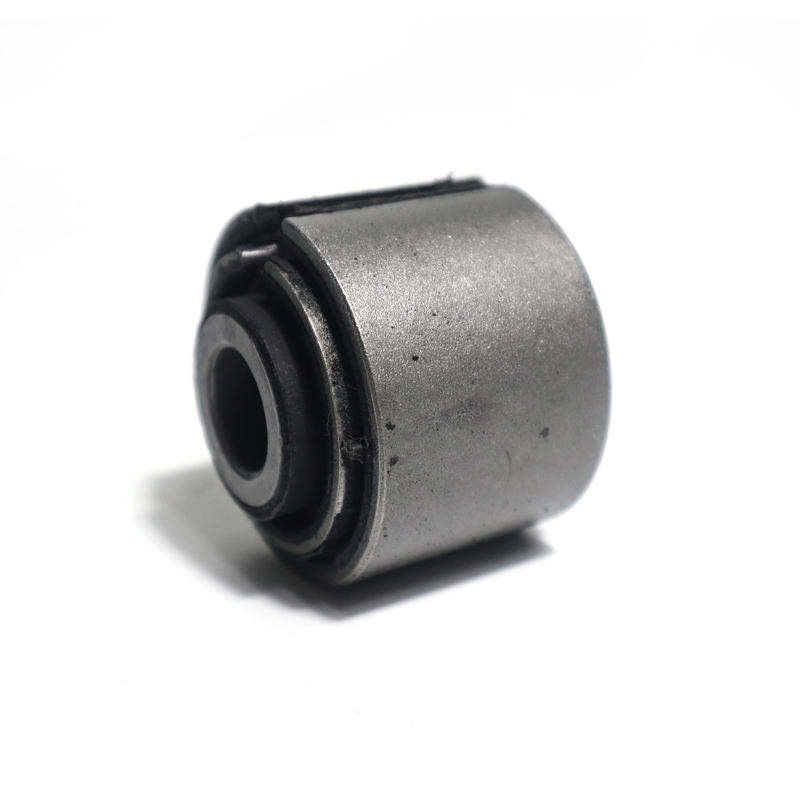
Stabilizer Bar Bushings
- Precise suspension fit
- Noise and harshness reduction
- Wear-resistant compounds
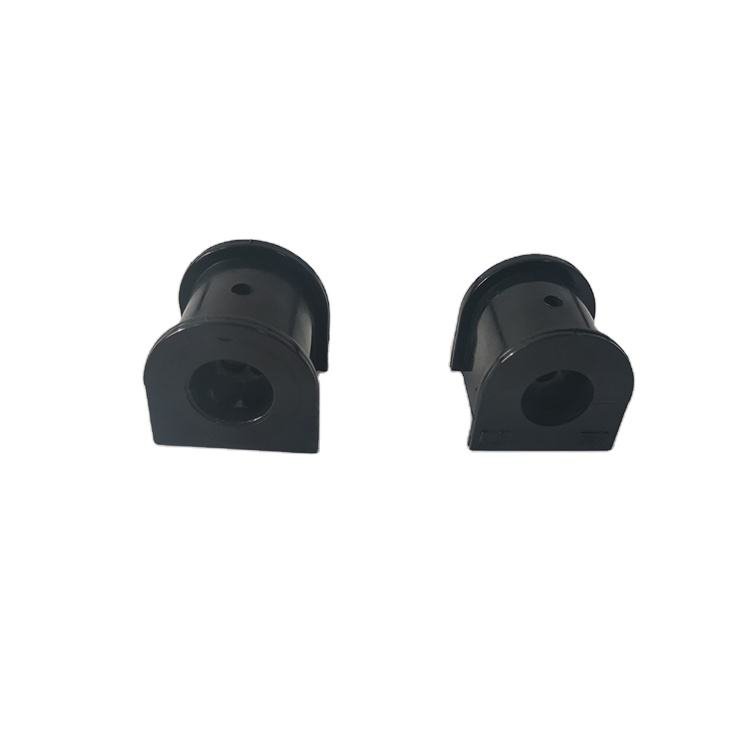
Sway Bar Bushings
- Optimized roll control
- Custom durometer options
- Long service life
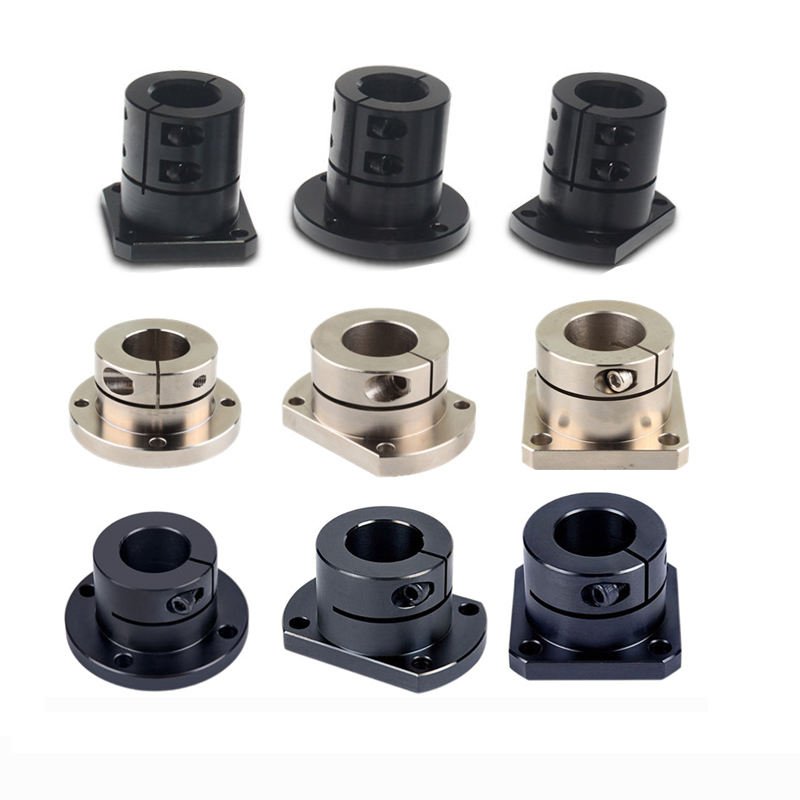
Taper-lock Bushings
- High torque transmission
- Keyless shaft locking
- Easy installation and removal
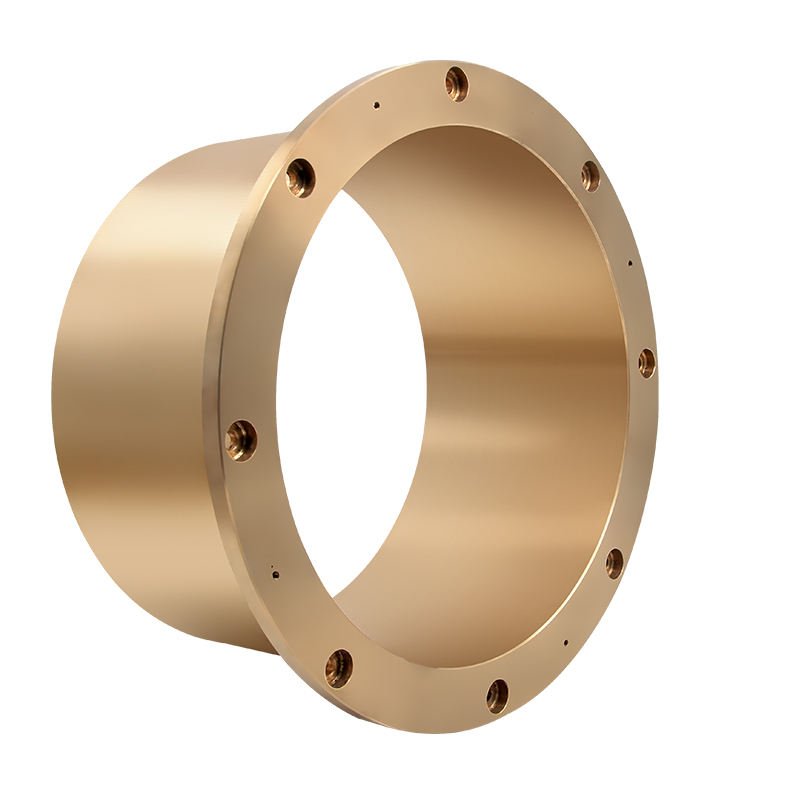
Flanged Bushings
- Axial load support
- Precise positioning
- Thrust surface integration
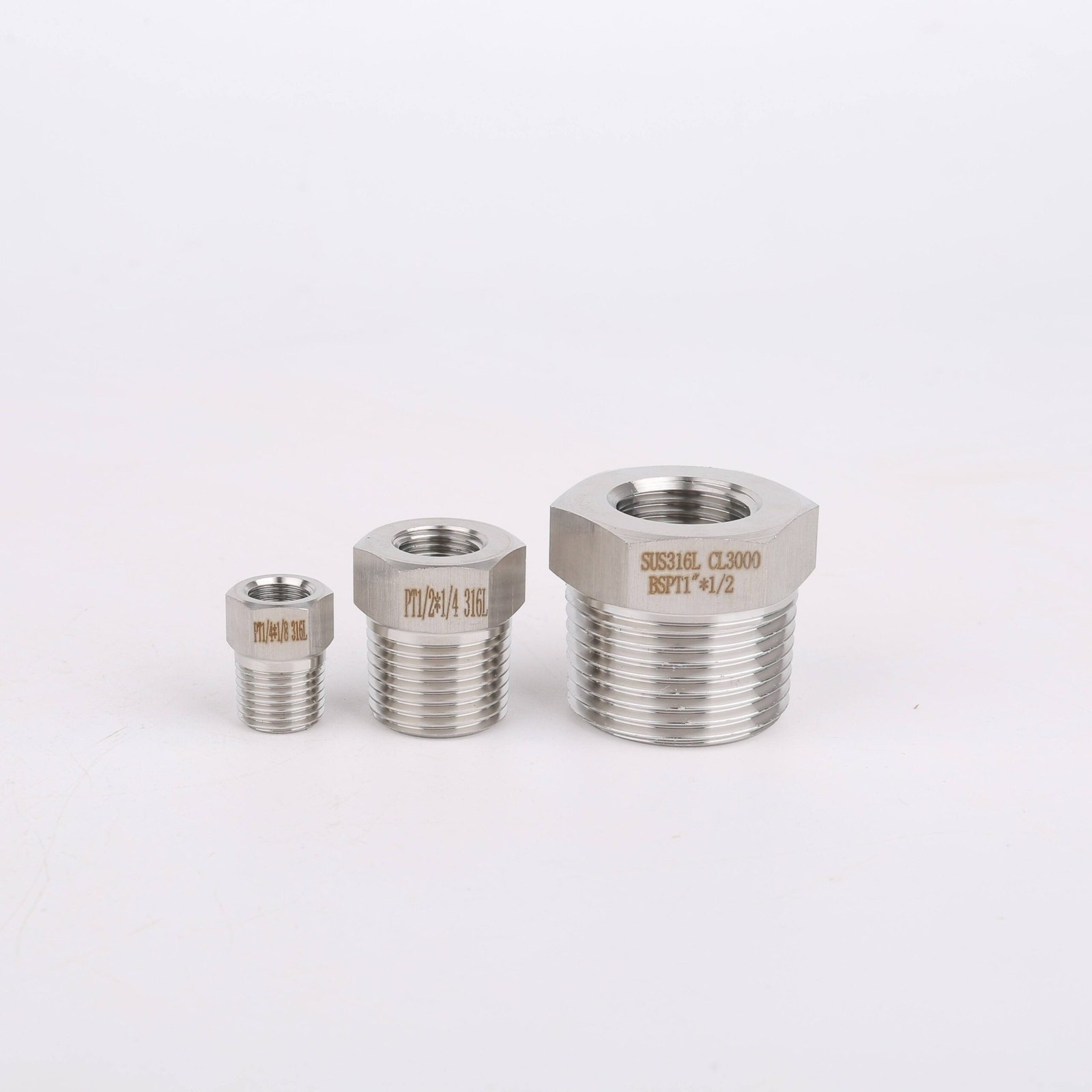
Reducing Bushings
- Diameter adaptation
- Concentric bore alignment
- Tight tolerance machining
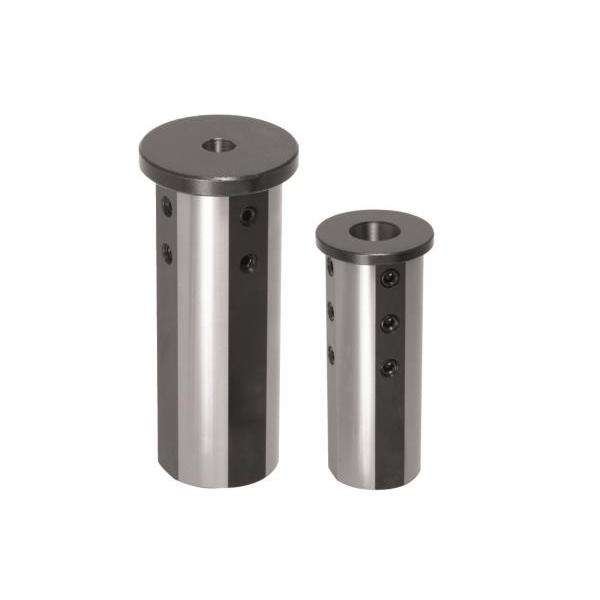
Drill Bushings
- Hardened tool steel
- Jig and fixture accuracy
- Wear resistance
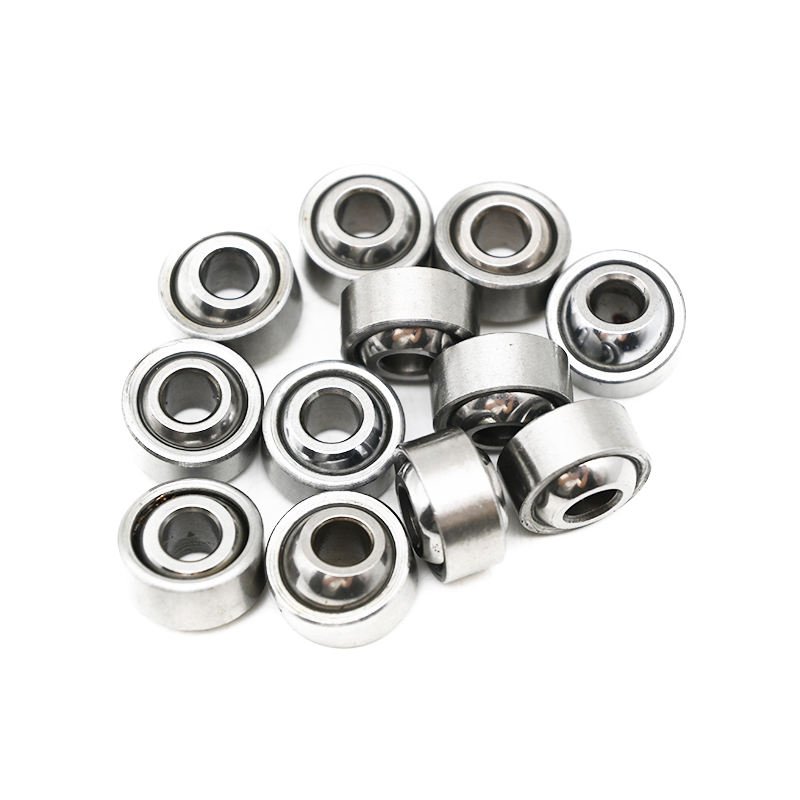
Spherical Bushings
- Angular misalignment compensation
- Heavy radial loads
- Self-aligning capability
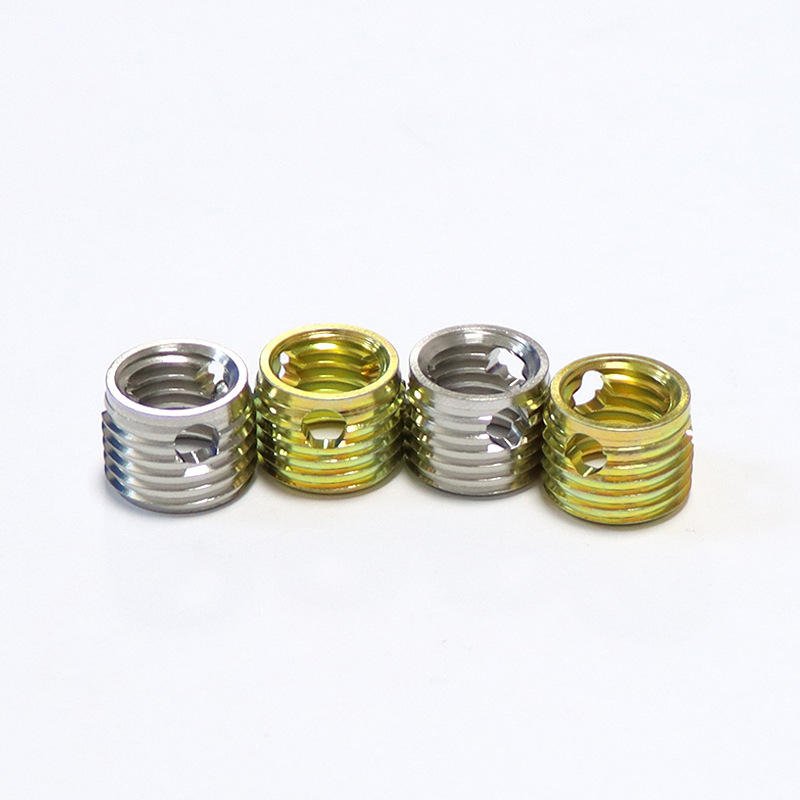
Threaded Bushings
- Adjustable axial positioning
- Secure fastening
- Custom thread profiles
How Pros Specify a Bushing (What to Put on the Drawing)
Professional purchasing decisions are faster when the drawing and RFQ specify the functional requirements instead of only nominal dimensions. If you want accurate quotes and predictable performance, define the working interface conditions.
Specification checklist
- Bushing type (sleeve, flanged, spherical, threaded, taper-lock, etc.)
- Material and heat treatment (or performance requirement if material is flexible)
- ID/OD tolerances and surface finish requirements for bore/shaft interfaces
- Lubrication strategy (dry, greased, oil-fed) and operating environment
- Retention method (press-fit, flange, threads, locking system)
- Expected load direction and any misalignment allowance
If you share these details upfront, suppliers can select the right process (turning, CNC machining, grinding, hardening, coating) and propose a bushing design that lasts longer and costs less to maintain.
Need custom bushings?
If your project requires tight tolerances, special materials, or non-standard geometry, a custom bushing often delivers better life-cycle cost than forcing a catalog part into the design. The key is matching the bushing type to load, alignment, and lubrication reality.