
- Home ›
- Injection Molding ›
- Overmolding & Insert Molding
Overmolding & Insert Molding Solutions
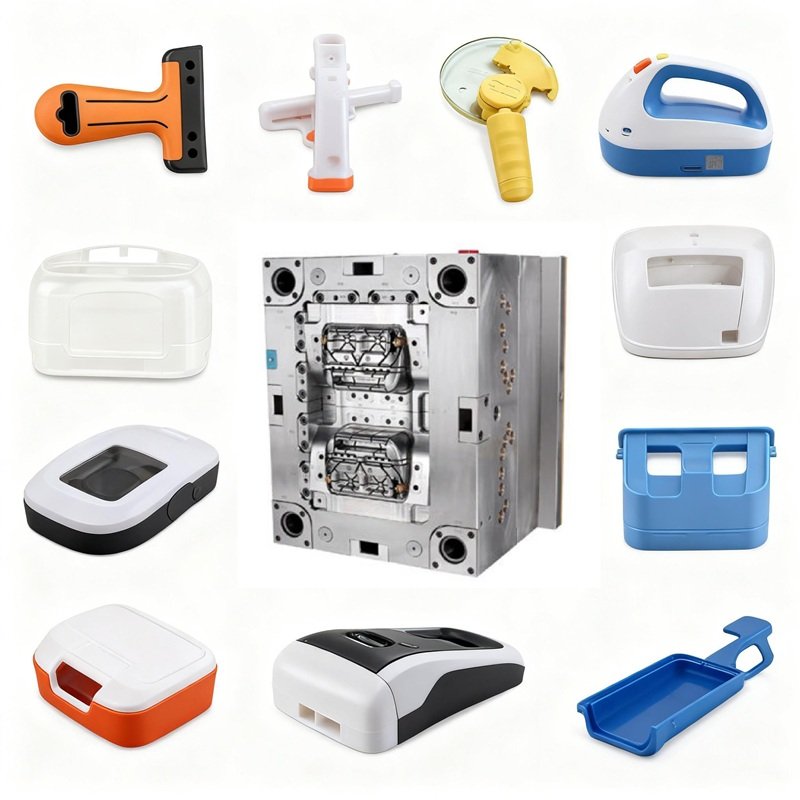
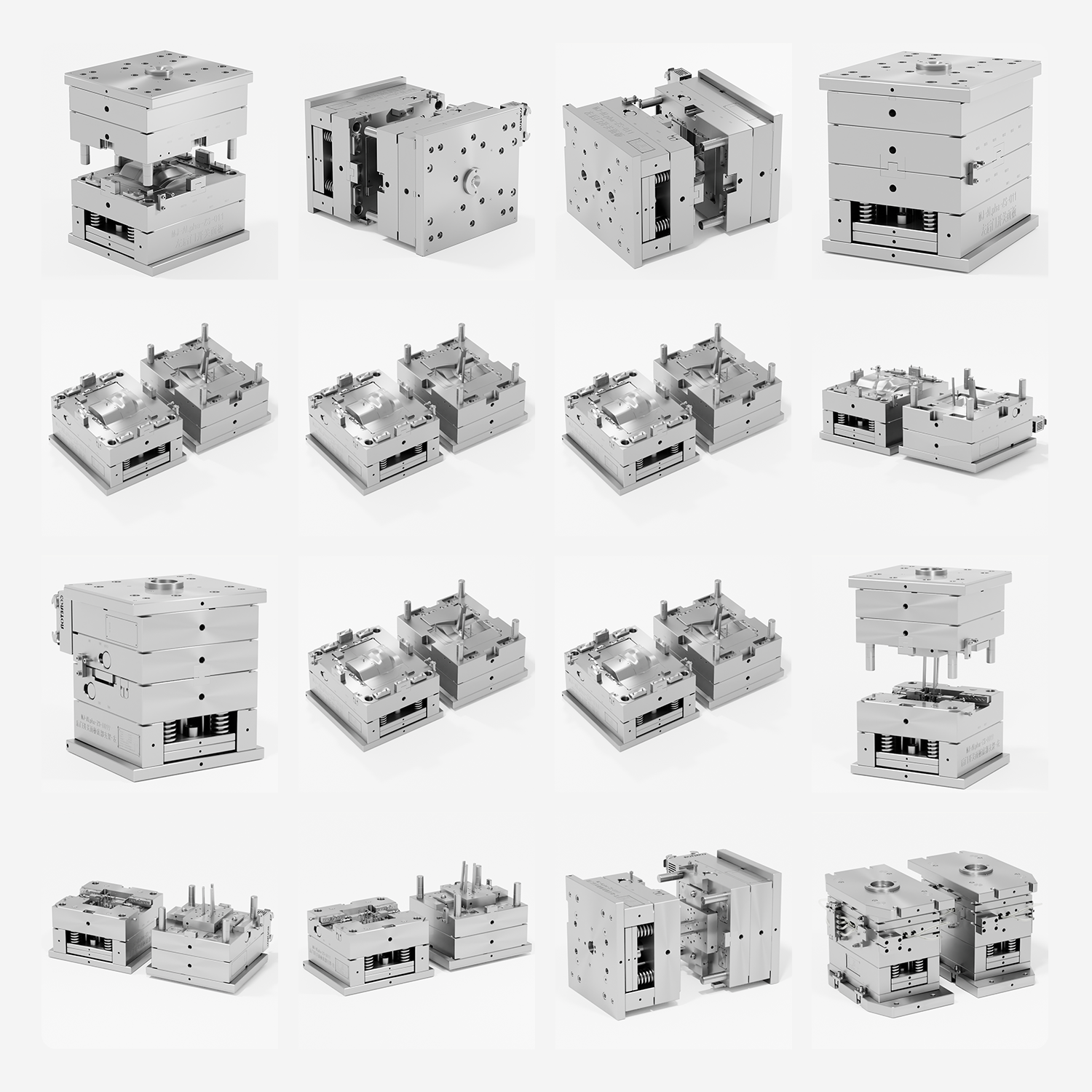
Rapidaccu specializes in advanced overmolding and insert molding technologies for creating integrated multi-component assemblies. With 15 years of manufacturing expertise, we deliver precision parts combining metals, plastics, and elastomers in single molding operations.
What is Overmolding?
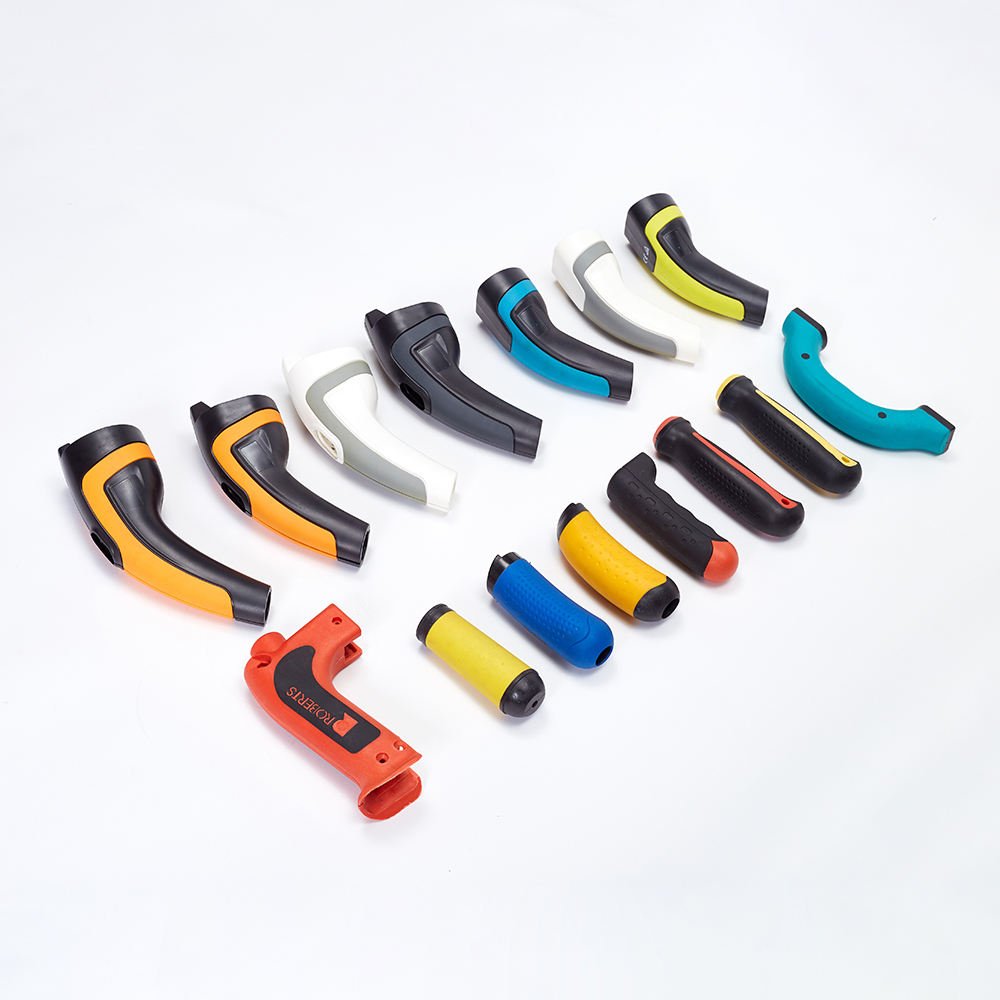
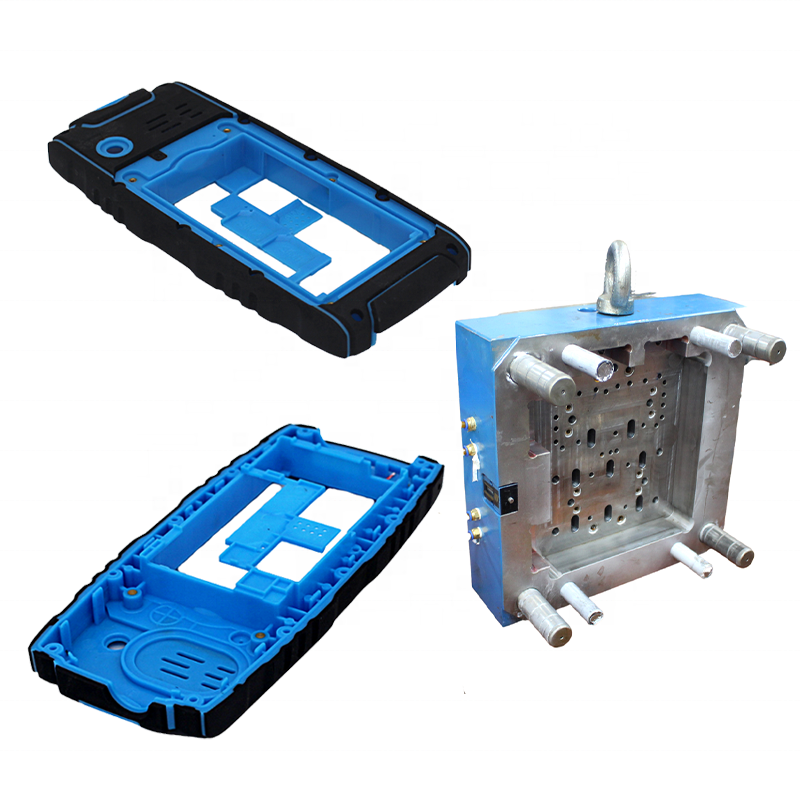
Overmolding is a specialized injection molding process where a substrate part (typically plastic or metal) is placed into a mold cavity, and a second material (usually TPE, TPU, or soft plastic) is molded directly over it. This creates a permanent mechanical and sometimes chemical bond between the two materials.
Key Benefits
- Enhanced ergonomics with soft-touch surfaces and comfortable grip zones
- Integrated sealing and vibration dampening without additional components
- Reduced assembly time and labor costs through single-step manufacturing
- Improved product aesthetics with multi-color and multi-texture designs
What is Insert Molding?
Insert molding involves placing pre-formed components (metal threaded inserts, pins, contacts, or other parts) into the mold cavity before injection. The plastic material is then injected around the insert, encapsulating and permanently securing it within the molded part.
Key Benefits
- Eliminates secondary operations like ultrasonic insertion or heat staking
- Superior retention strength compared to press-fit or adhesive methods
- Reduces part count and simplifies assembly with integrated metal components
- Enables complex designs with electrical contacts and threaded features
Material Combinations & Applications
Rigid + Soft Overmolding
Common Combinations:
- • ABS + TPE/TPU
- • PC + Silicone
- • PP + TPE
- • PA + TPU
Ideal for tool handles, medical devices, consumer electronics, and automotive components requiring ergonomic grip surfaces.
Metal Insert Molding
Insert Types:
- • Brass threaded inserts
- • Stainless steel pins
- • Copper contacts
- • Metal stampings
Perfect for electrical connectors, threaded assemblies, structural components, and parts requiring metal reinforcement.
Electronic Component Encapsulation
Component Types:
- • PCB boards
- • Sensors
- • LED modules
- • Cable assemblies
Essential for waterproof electronics, sensors, automotive electronics, and medical diagnostic equipment with integrated circuits.
Our Manufacturing Process
Substrate Preparation
For overmolding: Injection mold or source rigid substrate parts. For insert molding: Prepare metal inserts with appropriate geometry for mechanical retention. Surface treatment may be applied to enhance bonding.
Insert Placement
Substrate or insert is carefully positioned in the mold cavity using precision fixtures, automated pick-and-place systems, or manual loading. Proper alignment is critical for consistent results and quality bonding.
Injection Molding
Second material is injected around or over the substrate/insert. Process parameters including temperature, pressure, and injection speed are optimized for proper material flow and strong mechanical bonding.
Cooling & Ejection
Controlled cooling ensures proper solidification and dimensional stability. The finished overmolded or insert-molded assembly is ejected as a complete, integrated component ready for quality inspection.
Technical Capabilities
Part Weight
5g – 2kg
Suitable for small precision parts to larger assemblies
Insert Size
2mm – 200mm
Accommodate various insert dimensions and geometries
Tolerance
±0.05mm
Precision positioning and dimensional control
Bond Strength
Permanent
Mechanical interlocking with chemical adhesion
Industries & Applications
Hand Tools & Power Tools
- Ergonomic soft-grip handles
- Vibration-dampening tool housings
- Multi-material control switches
- Integrated threaded mounting points
Consumer Electronics
- Waterproof device housings
- Soft-touch button overmolds
- Cable strain relief components
- Encapsulated electronic modules
Medical Devices
- Surgical instrument grips
- Diagnostic equipment housings
- Biocompatible overmolded seals
- Medical device handles
Automotive Components
- Interior control knobs and switches
- Sensor housings with metal contacts
- Weatherproof electrical connectors
- Soft-touch trim components
Household Products
- Kitchen utensil handles
- Appliance control panels
- Personal care device grips
- Garden tool handles
Industrial Equipment
- Control panel knobs and buttons
- Pneumatic tool grips
- Electrical connector housings
- Equipment handle assemblies
Design Guidelines
Overmolding Design Tips
-
Material Selection
Choose compatible materials with similar melting temperatures and chemical bonding properties for optimal adhesion
-
Bonding Surface
Design undercuts, grooves, or texture on substrate for mechanical interlocking and increased bond strength
-
Wall Thickness
Maintain consistent overmold thickness (typically 0.5-3mm) to prevent warpage and ensure uniform curing
-
Draft Angles
Incorporate 2-5° draft on overmolded surfaces for easy part ejection from mold cavity
Insert Molding Design Tips
-
Insert Geometry
Design inserts with knurling, undercuts, or holes to maximize mechanical retention within molded plastic
-
Plastic Coverage
Ensure minimum 1-2mm plastic thickness around insert for structural integrity and proper encapsulation
-
Insert Positioning
Design mold features or fixtures to prevent insert movement during injection and maintain precise placement
-
Thermal Considerations
Account for thermal expansion differences between metal insert and plastic to prevent stress cracking
Frequently Asked Questions
What is the difference between overmolding and insert molding?
What materials work best for overmolding?
Can you overmold onto complex substrate geometries?
What types of inserts can be molded?
How is insert positioning accuracy maintained?
Why choose Rapidaccu for overmolding and insert molding?
Start Your Overmolding or Insert Molding Project
Transform your product design with integrated multi-component manufacturing
Contact Rapidaccu
Manufacturing Location
Rongli Industrial Park, Dalang, Longhua District, Shenzhen, China
Email Address
info@rapidaccu.comManufacturing Experience
15 years of precision molding expertise
Our Expertise
Request Your Quote
Share your project details for expert consultation