
- Home ›
- Metal Machining ›
- Cast Iron Machining
Cast Iron Machining Services
Expert cast iron parts manufacturing with 15 years of proven experience
- Excellent vibration damping and thermal conductivity for machine components
- Advanced CNC machining for complex cast iron parts with superior dimensional accuracy
- Comprehensive cast iron processing including sheet metal fabrication and stamping
- Cost-effective material choice with excellent machinability and wear resistance

Cast Iron Manufacturing Services
Rapidaccu delivers precision cast iron machining solutions with advanced equipment and extensive material expertise
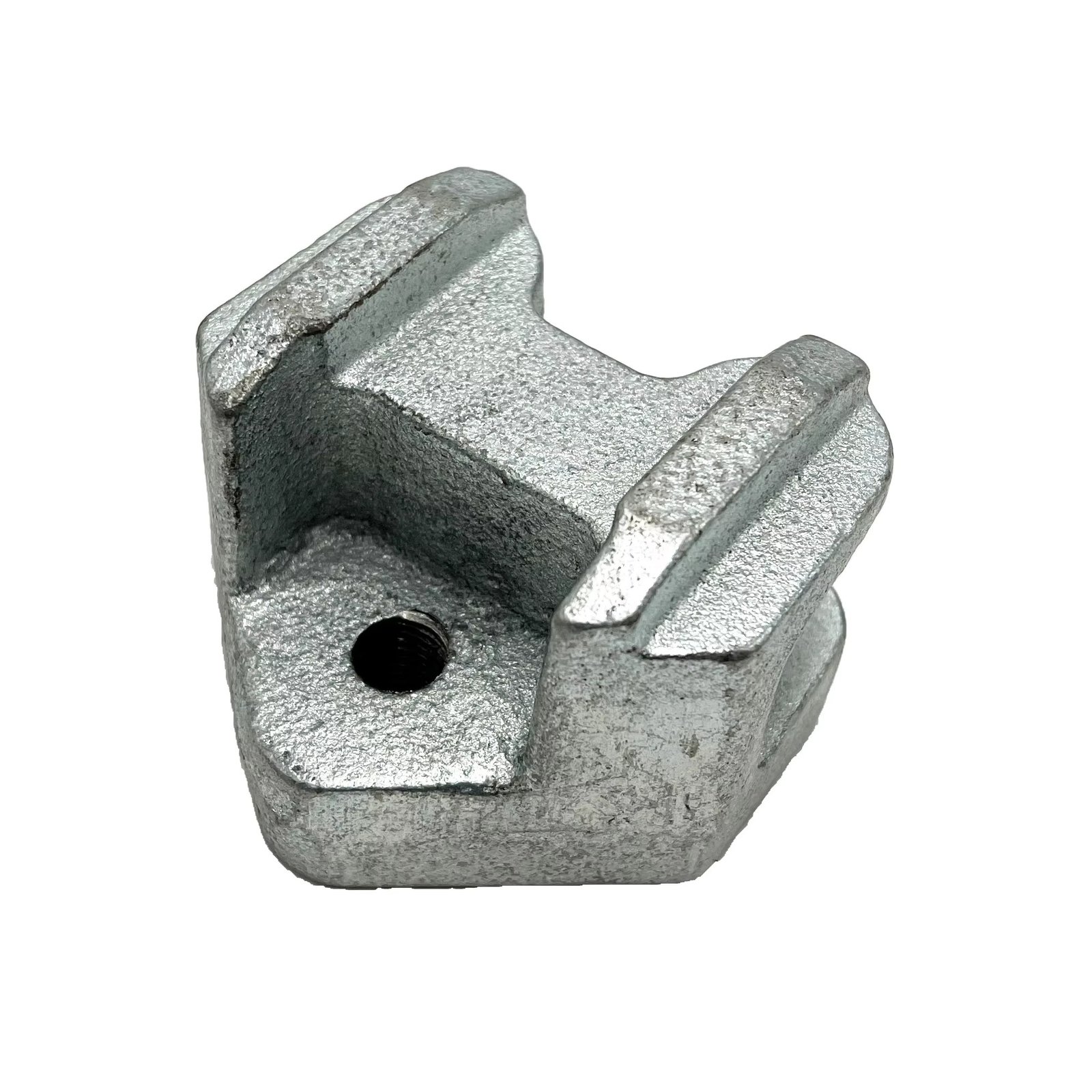
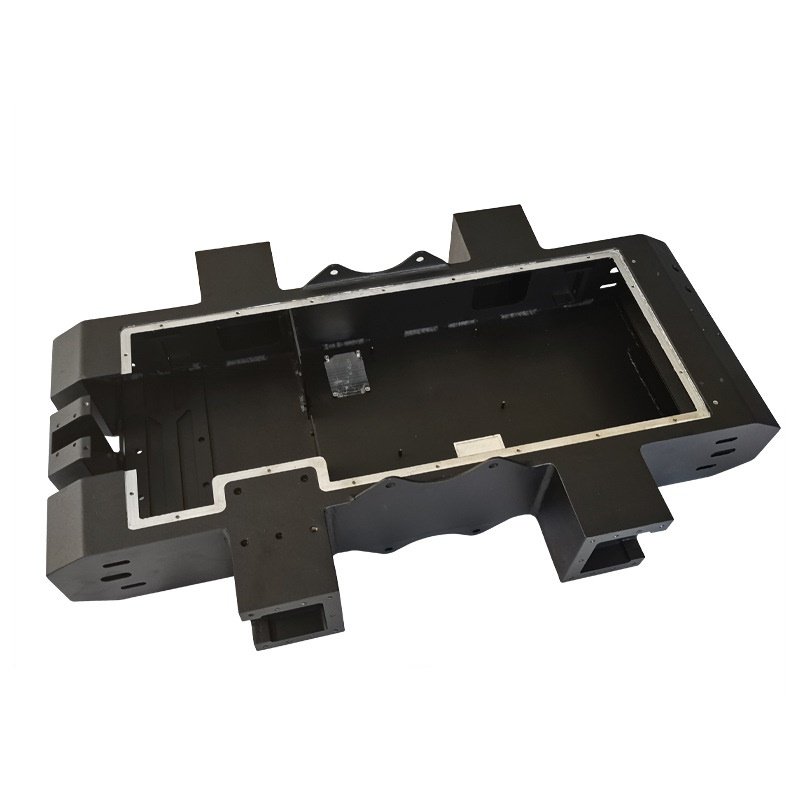
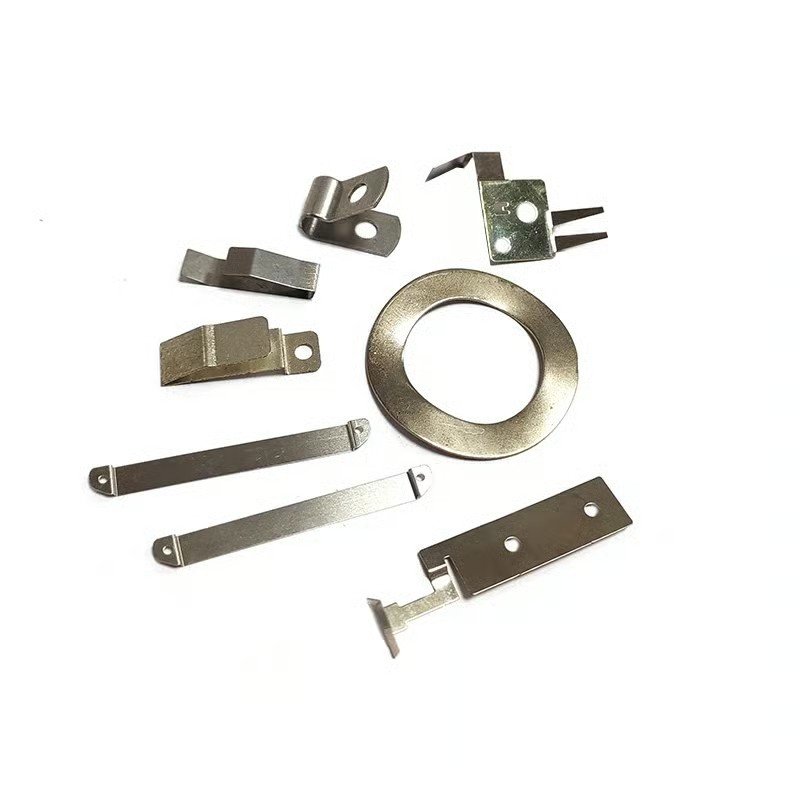
Types of Cast Iron We Machine
Gray Cast Iron
Most widely used cast iron with excellent machinability, damping capacity, and wear resistance. The graphite flakes give it a gray appearance.
Applications:
Engine blocks, machine tool bases, brake discs, flywheels
Properties:
Good machinability, excellent damping, thermal conductivity
Ductile Iron
Also known as nodular cast iron, features spheroidal graphite structure providing higher strength, ductility and impact resistance than gray iron.
Applications:
Crankshafts, gears, suspension components, pipe fittings
Properties:
High tensile strength, good ductility, impact resistance
White Cast Iron
Contains carbides in its structure, making it extremely hard and wear-resistant but difficult to machine. Often used in abrasive environments.
Applications:
Mill liners, crushing equipment, wear plates, shot blasting
Properties:
Extreme hardness, high wear resistance, brittle
Malleable Cast Iron
White cast iron heat-treated to break down carbides, resulting in improved ductility and shock resistance while maintaining good strength.
Applications:
Pipe fittings, brackets, hand tools, agricultural equipment
Properties:
Good ductility, machinability, shock resistance
Advantages of Cast Iron for Manufacturing
Cast iron offers a unique combination of properties that make it an excellent choice for numerous industrial applications. Understanding these advantages helps optimize component design and material selection.
Cost-Effective Solution
Lower material costs compared to steel and superior castability allow for complex shapes to be produced economically, reducing overall manufacturing expenses.
Vibration Damping
Excellent vibration damping capacity makes cast iron ideal for machine tool bases, engine blocks, and equipment requiring stability and reduced noise transmission.
Superior Machinability
Gray cast iron offers excellent machinability, allowing for efficient production with reduced tool wear, lower cutting forces, and improved surface finish quality.
Wear Resistance
The graphite structure provides self-lubricating properties and excellent wear resistance, extending component life in friction and sliding applications.
Material Comparison
Industries Relying on Cast Iron Components
Automotive
Engine blocks, cylinder heads, brake discs, flywheels, and transmission housings requiring vibration damping.
- • Engine components
- • Brake systems
- • Drivetrain parts
Machine Tools
Machine tool bases, beds, and structural components where vibration damping and stability are critical.
- • Lathe beds
- • Milling machine bases
- • Press frames
Plumbing & Piping
Pipe fittings, valves, pumps, and water distribution systems requiring corrosion resistance and durability.
- • Pipe fittings
- • Valve bodies
- • Pump housings
Heavy Machinery
Construction and mining equipment, agricultural machinery, and industrial equipment requiring strength and wear resistance.
- • Excavator components
- • Agricultural equipment
- • Mining machinery
Power Generation
Turbine housings, generator components, and power transmission parts for electrical power generation systems.
- • Turbine housings
- • Generator frames
- • Bearing supports
Architectural
Decorative elements, railings, street furniture, and architectural components combining aesthetics with durability.
- • Decorative castings
- • Street furniture
- • Structural elements
Why Choose Rapidaccu for Cast Iron Machining?
15 years of expertise delivering precision cast iron components to clients worldwide
Advanced Equipment
State-of-the-art CNC machines specifically configured for cast iron machining with proper dust collection and tooling.
Material Expertise
Deep understanding of various cast iron grades and their machining characteristics for optimal results.
Global Experience
Serving clients in 85+ countries with reliable international shipping and comprehensive documentation.
Machining Considerations for Cast Iron
Tooling Selection
Cast iron’s abrasive nature requires proper tool selection. We use carbide and ceramic cutting tools with appropriate geometries to achieve optimal tool life and surface finish.
Coolant Strategy
Cast iron machining typically uses dry cutting or minimal coolant to prevent thermal shock and cracking. Our processes are optimized for cast iron’s heat dissipation properties.
Dust Management
Effective dust collection systems are essential for cast iron machining. Our facilities feature advanced filtration to maintain a clean and safe working environment.
Dimensional Stability
Cast iron castings may have internal stresses. We employ stress-relieving heat treatments and proper machining sequences to ensure dimensional stability and accuracy.
Frequently Asked Questions
What cast iron machining services does Rapidaccu offer?
Which types of cast iron can you machine?
What tolerances can you achieve for cast iron parts?
What industries use cast iron machined parts?
How do you handle cast iron machining dust?
Can you machine both as-cast and heat-treated cast iron?
Request Your Cast Iron Machining Quote
Partner with Rapidaccu for expert cast iron machining services. Our experienced team is ready to deliver precision components for your applications.
Manufacturing Facility
Rongli Industrial Park, Dalang, Longhua District, Shenzhen, China
Email Contact
info@rapidaccu.comBusiness Hours
Monday – Friday: 9:00 AM – 6:00 PM (GMT+8)