

SK2 vs SK4 vs SK5 vs SK7: The Definitive Guide
Navigating the Japanese Industrial Standards (JIS) for High Carbon Tool Steels.
The Short Answer: Deciding by Hardness vs. Toughness
The difference between SK2, SK4, SK5, and SK7 lies primarily in their carbon content, which dictates the inverse relationship between hardness and toughness.
- 1 SK2 (High Hardness): The hardest of the group with high carbon (1.10-1.30%). Best for blades requiring extreme sharpness like razors and cutters, but it is brittle.
- 2 SK4 & SK5 (Balanced): The industry standards (0.80-1.00% carbon). They offer the perfect equilibrium between holding an edge and resisting breakage. Ideal for springs, saws, and utility knives.
- 3 SK7 (High Toughness): The toughest with the lowest carbon (0.60-0.70%). It sacrifices hardness for flexibility and shock resistance, making it perfect for clips, washers, and impact tools.
Is Your Tooling Designed to Fail?
Choosing the wrong grade of SK steel is the most common reason for premature tool failure. Imagine manufacturing a high-impact spring using extremely brittle SK2—it would snap under the first load. Conversely, using soft SK7 for a surgical scalpel would result in a dull edge before the first cut is finished.
At Rapidaccu, we see these engineering mismatches daily. The subtle variations in Carbon (C), Manganese (Mn), and Silicon (Si) percentages in JIS G4401 standards aren’t just numbers—they are the DNA of your product’s lifespan. In this extensive guide, we will dissect these four grades to ensure your next manufacturing project is built on the right foundation.
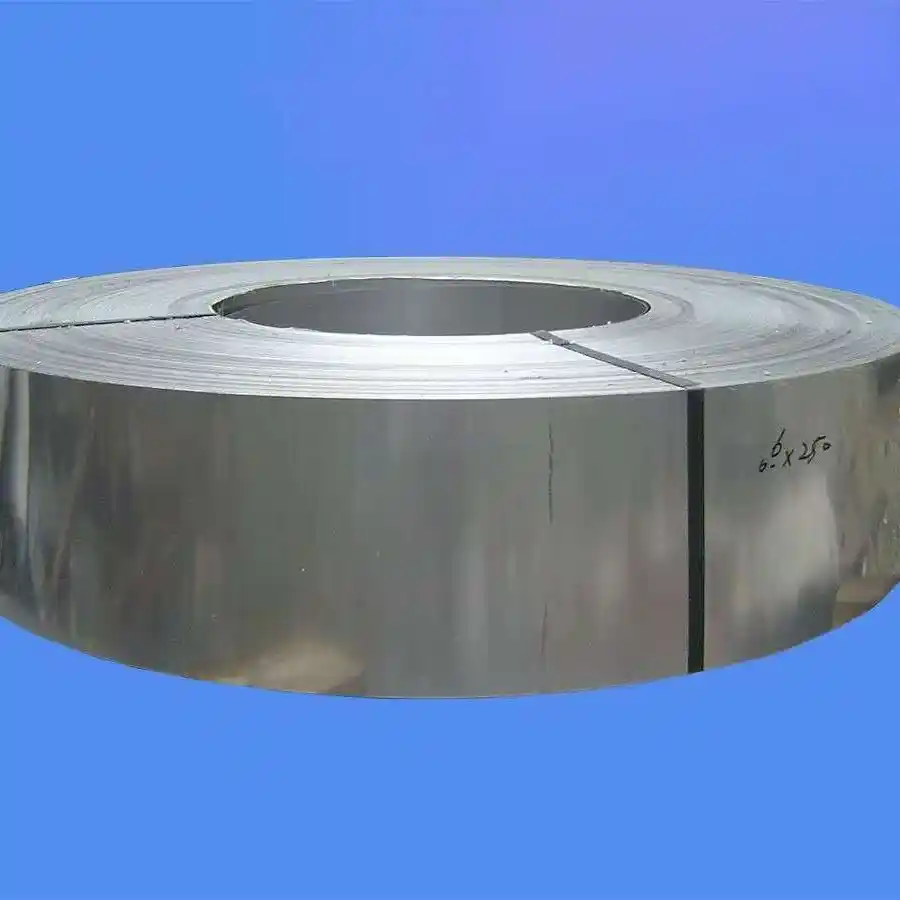
JIS G4401 SK2 Tool Steel
SK2 (equivalent to AISI W1 or DIN 1.1525) is the heavyweight champion of hardness in the cold-work carbon tool steel category. With a carbon content exceeding 1.1%, it contains excess cementite particles that provide exceptional wear resistance. It is often referred to as “Water Hardening Steel” and takes a razor-sharp edge that few other steels can match. However, this hardness comes at the cost of ductility—it does not bend; it breaks.
Key Characteristics
- Carbon: 1.10% – 1.30%
- Hardness (HRC): 60-64 (after quench)
- Wear Resistance: Excellent
- Toughness: Poor
Global Equivalents
- USA (AISI): W1-11.5
- Germany (DIN): C120U / 1.1525
- China (GB): T12
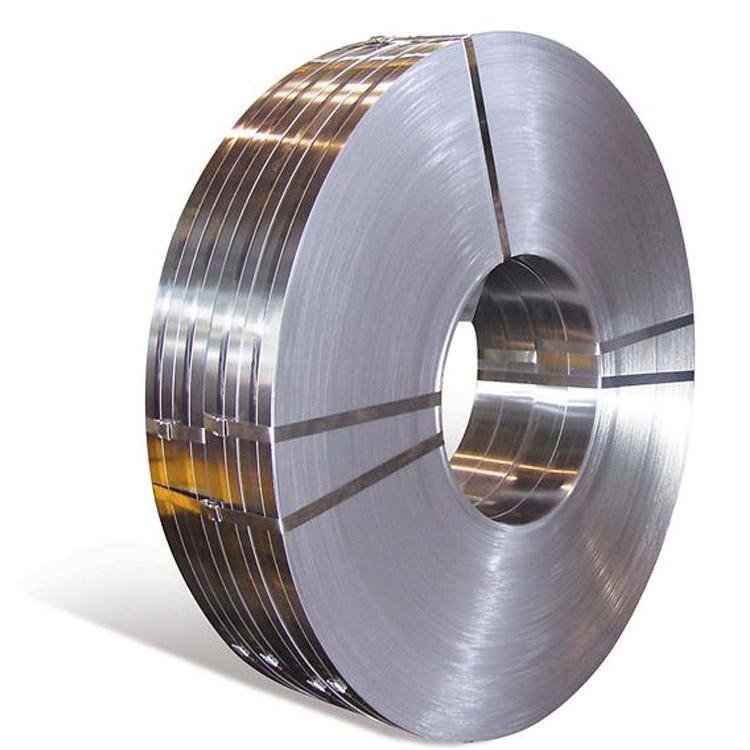
JIS G4401 SK4 Tool Steel
SK4 is a hypereutectoid steel that begins the transition from pure hardness to functional versatility. It contains slightly less carbon than SK2, which reduces the massive carbide formation, allowing for slightly better shock absorption. While still considered a “hard” steel, SK4 is easier to machine and temper than SK2. It is often the choice for tools that need to cut but might experience slight vibrations.
Key Characteristics
- Carbon: 0.90% – 1.00%
- Hardness (HRC): 58-61
- Machinability: Moderate
- Quenching: Water or Oil
Global Equivalents
- USA (AISI): W1-10
- Germany (DIN): C105W1
- China (GB): T10
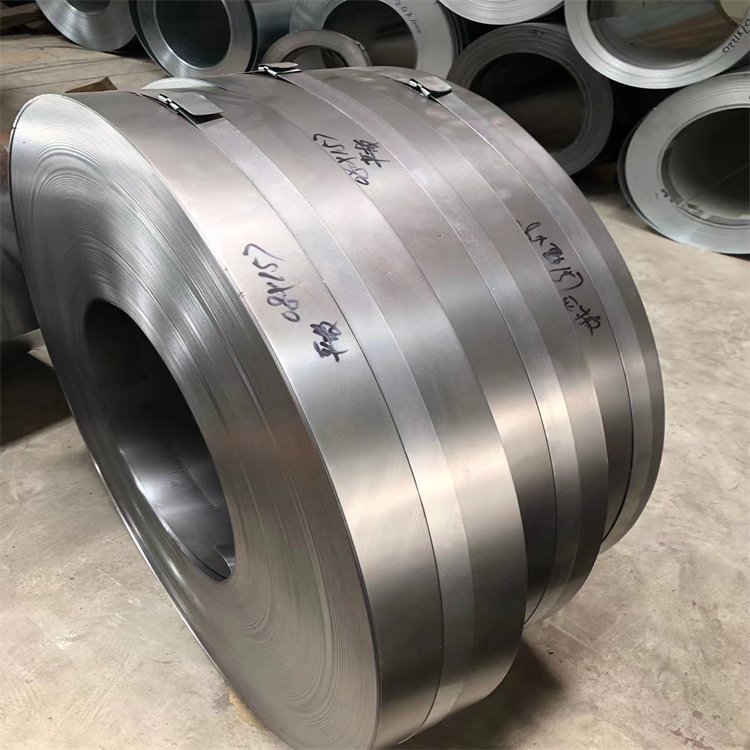
JIS G4401 SK5 Tool Steel
SK5 is arguably the most famous and widely used grade in this family. If you buy a high-quality utility knife or a survival blade, it is likely SK5. It sits right at the eutectoid point (around 0.85% carbon), offering a superb matrix of martensite after heat treatment. It is tough enough to withstand impact without chipping, yet hard enough to slice through materials effortlessly. It behaves very similarly to the American 1085 steel.
Key Characteristics
- Carbon: 0.80% – 0.90%
- Hardness (HRC): 55-59
- Elasticity: High
- Fatigue Strength: Excellent
Global Equivalents
- USA (AISI): 1085 / W1-8
- Germany (DIN): C85W
- China (GB): T8 / T8A
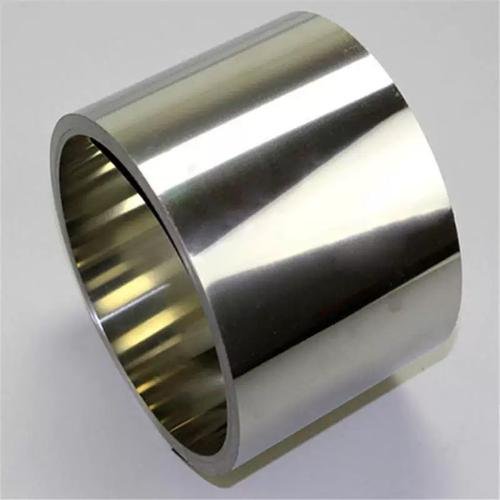
JIS G4401 SK7 Tool Steel
SK7 (often interchangeable with SK6 depending on specific supplier mill sheets) is the toughest of the lot. With carbon content dropping below 0.70%, it moves towards being a high-carbon spring steel rather than a pure cutting tool steel. It can undergo significant deformation and return to its original shape. While it won’t hold a razor edge as long as SK2, it is virtually impossible to snap under normal working conditions.
Key Characteristics
- Carbon: 0.60% – 0.70%
- Hardness (HRC): 50-55
- Ductility: Excellent
- Workability: High
Global Equivalents
- USA (AISI): 1065 / 1070
- Germany (DIN): C70W2
- China (GB): T7
Technical Comparison Matrix
A side-by-side analysis of chemical composition and physical properties to help engineering teams visualize the trade-offs.
| Property | SK2 (Hardest) | SK4 (Hard) | SK5 (Balanced) | SK7 (Toughest) |
|---|---|---|---|---|
| Carbon Content (%) | 1.10 – 1.30 | 0.90 – 1.00 | 0.80 – 0.90 | 0.60 – 0.70 |
| Rockwell Hardness (HRC) | 60 – 64 | 58 – 61 | 55 – 59 | 50 – 55 |
| Tensile Strength | High (Brittle) | Very High | High (Elastic) | Moderate (Very Elastic) |
| Wear Resistance | ★★★★★ | ★★★★☆ | ★★★☆☆ | ★★☆☆☆ |
| Shock Resistance | ★☆☆☆☆ | ★★☆☆☆ | ★★★★☆ | ★★★★★ |
| Machinability | Difficult | Moderate | Good | Excellent |
Engineer’s Cheat Sheet: Heat Treatment
Correct heat treatment is critical for high-carbon steels. Using the wrong media or temperature will result in immediate cracking or loss of edge retention. Use this quick reference for your process sheets.
Quenching Media
- SK2 / SK4 Water (Beware Cracking)
- SK5 Oil (Preferred)
- SK7 Oil
*Water quenching yields maximum hardness but risks distortion. Oil is safer for complex geometries.
Tempering Zones
Critical Risks
- Decarburization: High carbon steels lose surface carbon rapidly. Use protective atmosphere or foil.
- Quench Cracks: SK2 is notorious for cracking if the water is too cold or agitation is uneven.
- Deformation: Long, thin SK5 blades will warp if not quenched vertically.
Machining Notes from the Rapidaccu Floor
Theoretical specs are useful, but how do these materials behave on the CNC machine? Here are our shop-floor insights for manufacturing parts with these grades.
SK2 Machining Strategy
Always machine SK2 in the annealed state. Once hardened, it becomes virtually unmachinable by conventional means. For post-heat-treat adjustments, you must use EDM (Electrical Discharge Machining) or precision grinding. Do not attempt to tap threads after hardening.
SK5 Spring Temper
When machining SK5 spring clips or washers, watch your heat generation. If you generate too much friction heat during grinding or cutting, you can accidentally anneal (soften) the material locally, causing the spring to lose its memory and fail prematurely. Coolant is mandatory.
SK7 Forming & Stamping
SK7 is the most friendly grade for cold forming and stamping. Unlike SK2 which snaps, SK7 allows for complex bending radii without cracking. If your design requires a 90-degree bend on a hardened part, choose SK7 or verify the bend radius on SK5 carefully.
Engineering Selection: Which Material for Which Part?
At Rapidaccu, we advise clients based on the failure mode of their current parts. If your part is chipping, you need less carbon. If it is dulling too fast, you need more carbon.
Choose SK2 / SK4 When:
- The primary function is cutting or slicing.
- The material being cut is soft (paper, wood, fabric).
- There is zero tolerance for edge deformation.
- Shock or impact loads are minimal to non-existent.
Choose SK5 / SK7 When:
- The part acts as a spring or clip.
- The tool will be hit with a hammer (chisels, punches).
- The application involves twisting or bending forces.
- Cost reduction is a priority (SK7 is generally cheaper).
Frequently Asked Questions
Precision Tool Steel Machining Services
Don’t let poor machining compromise excellent steel. At Rapidaccu, we specialize in hard-milling, EDM, and grinding of high-carbon SK steels. From custom die sets to precision blades, we deliver tolerances that standard shops can’t touch.