
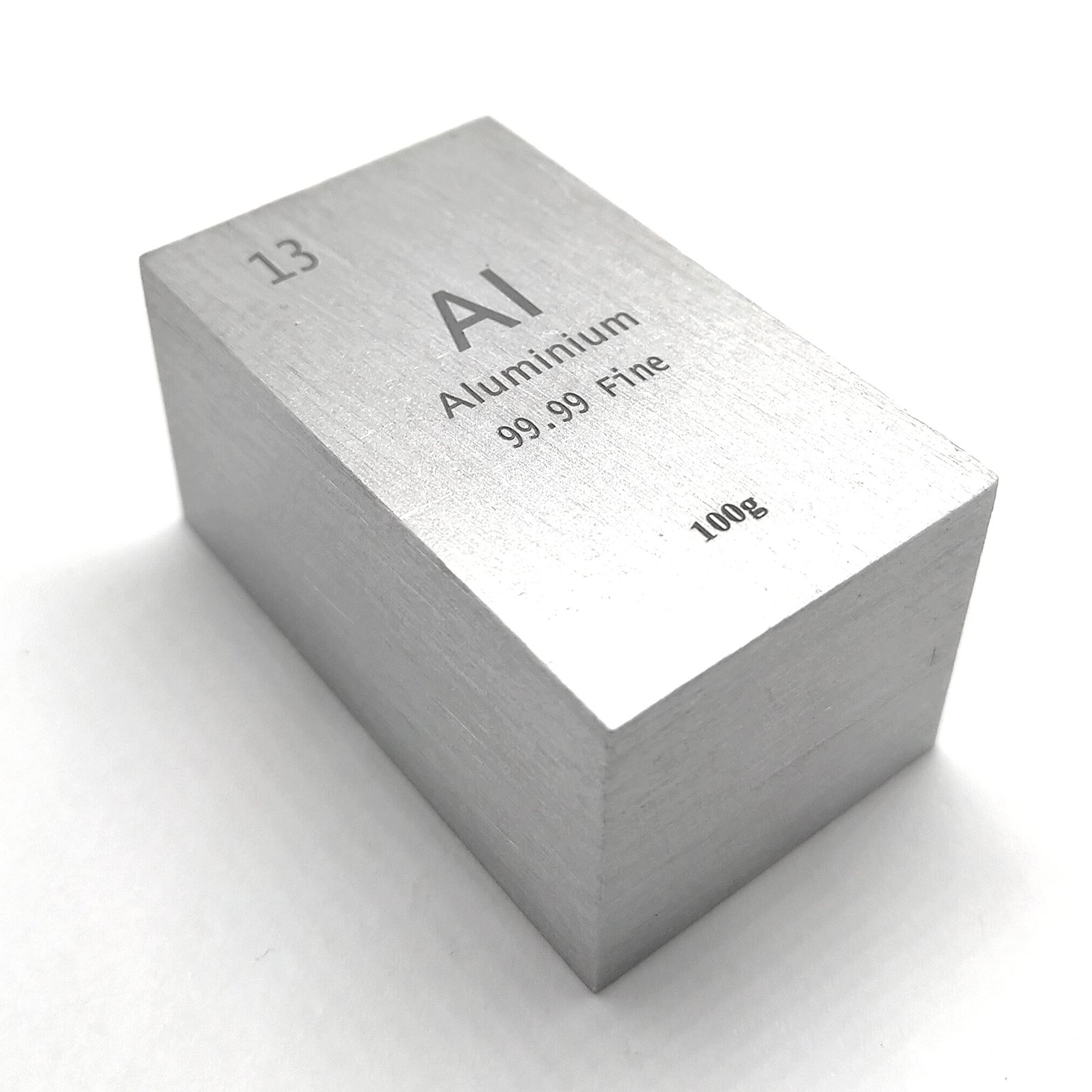
What is the Melting Point of Aluminum?
1,221°F
(660.3°C)
Discover how understanding aluminum’s precise melting temperature transforms manufacturing excellence at Rapidaccu
Understanding the 1,221°F Melting Point
Pure Aluminum
1,221°F
660.3°C
Atomic Number
13
Periodic Table
Density
2.70
g/cm³
At Rapidaccu, we work with aluminum every single day, and one of the most fundamental properties we rely on is its melting point: precisely 1,221°F (660.3°C) for pure aluminum. This temperature represents the critical threshold where solid aluminum transforms into liquid metal, a physical characteristic that influences virtually every manufacturing process we perform in our facilities.
But why should you care about this specific temperature? Whether you’re an engineer designing aerospace components, a product developer creating consumer electronics, or a manufacturing manager optimizing production efficiency, aluminum’s melting point directly impacts your project’s success. From the precision of our CNC machining operations to the quality of 3D printed parts, from the formability of sheet metal to the consistency of stamped components—understanding how aluminum behaves at different temperatures is the key to unlocking superior manufacturing results. In this comprehensive guide, we’ll share our decades of expertise working with aluminum and reveal how thermal properties translate into real-world manufacturing advantages for your projects.
Why Aluminum’s Melting Temperature Matters
Lightweight Yet Strong
Aluminum’s relatively low melting point (compared to steel at 2,500°F) combined with excellent strength-to-weight ratio makes it ideal for applications where reducing mass is critical—aerospace, automotive, and consumer electronics.
Energy Efficiency
At Rapidaccu, the lower melting temperature means reduced energy consumption in casting, welding, and thermal processing operations. This translates to cost savings we pass on to our clients and a smaller environmental footprint.
Recyclability Advantage
The relatively accessible melting point makes aluminum recycling economically viable. We can remelt aluminum scrap from our operations at 660°C, using only 5% of the energy needed to produce primary aluminum.
Process Versatility
Understanding where aluminum’s melting point sits in relation to processing temperatures allows us to optimize everything from machining speeds to heat treatment protocols, ensuring consistent quality across all manufacturing methods.
The Rapidaccu Advantage
Our engineers have spent decades mastering the thermal characteristics of aluminum alloys. This expertise translates directly into superior results for your projects:
Aluminum Alloy Melting Point Comparison
At Rapidaccu, we work with a comprehensive range of aluminum alloys, each with slightly different melting characteristics. This table provides the critical thermal data we reference daily in our manufacturing operations:
| Alloy Series | Common Alloys | Solidus (°F) | Liquidus (°F) | Primary Uses |
|---|---|---|---|---|
| 1xxx Series | 1100, 1050, 1060 | 1190°F (643°C) | 1215°F (657°C) | Chemical equipment, reflectors |
| 2xxx Series | 2024, 2014, 2017 | 990°F (532°C) | 1185°F (641°C) | Aerospace, high-strength applications |
| 3xxx Series | 3003, 3004, 3105 | 1165°F (629°C) | 1210°F (654°C) | Cooking utensils, heat exchangers |
| 5xxx Series | 5052, 5083, 5086 | 1125°F (607°C) | 1200°F (649°C) | Marine applications, pressure vessels |
| 6xxx Series | 6061, 6063, 6082 | 1080°F (582°C) | 1205°F (652°C) | Structural, automotive, extrusions |
| 7xxx Series | 7075, 7050, 7068 | 890°F (477°C) | 1175°F (635°C) | Aircraft structures, high-stress parts |
| Cast Alloys | A356, A380, 413 | 1000°F (538°C) | 1150°F (621°C) | Die casting, sand casting |
Understanding Solidus vs. Liquidus
Solidus is the temperature where melting begins (some liquid forms), while Liquidus is where the alloy becomes completely liquid. This melting range is crucial for our welding and casting processes at Rapidaccu. Pure aluminum (1xxx series) has the narrowest range, making it more predictable but less versatile than alloy variants.
How Melting Point Affects CNC Machining
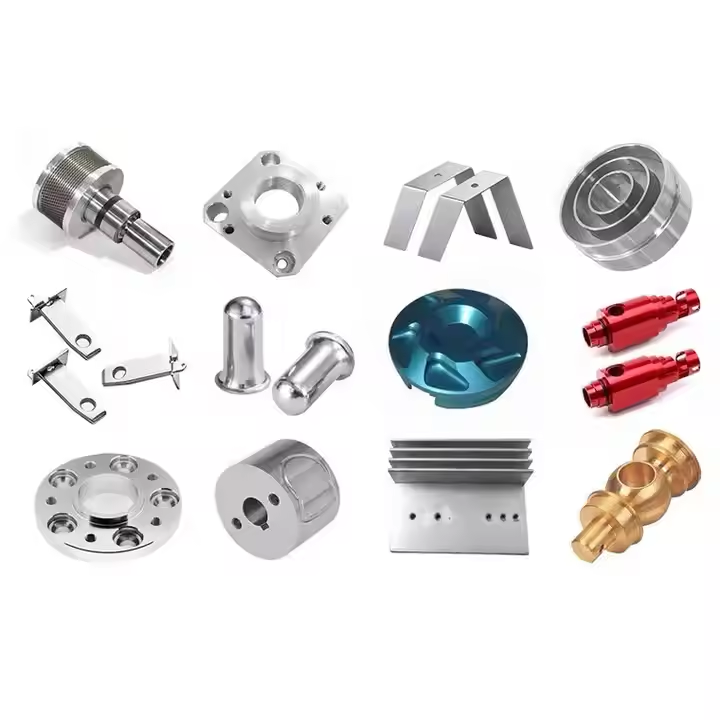
Heat Generation During Machining
While our CNC aluminum machining operations never approach the 1,221°F melting point, understanding aluminum’s thermal properties is critical for achieving micron-level precision.
Aluminum’s high thermal conductivity (237 W/m·K) means heat generated during cutting dissipates rapidly through the workpiece. This is a double-edged sword: it prevents localized melting but also means more heat stays in the cutting tool, accelerating wear.
Our Thermal Management Strategy
Coolant Systems
High-pressure coolant delivery (1000+ PSI) directly to the cutting edge removes chips and heat before material properties degrade.
Optimized Speeds
Aluminum’s low melting point allows cutting speeds of 1,000-3,000 SFM, dramatically faster than steel while maintaining superior finishes.
Tool Selection
Carbide and PCD (polycrystalline diamond) tools withstand the specific thermal conditions of aluminum machining for extended tool life.
Why Choose Rapidaccu for Aluminum CNC Machining?
- Tolerances to ±0.0005″ achieved through precise thermal control
- Surface finishes down to Ra 0.4µm without secondary operations
- Complex 5-axis geometries with consistent dimensional accuracy
- All aluminum series from 1xxx to 7xxx processed in-house
Melting Point Control in 3D Printing
Mastering the Melt Pool
Aluminum 3D printing at Rapidaccu requires precisely controlling temperatures around the 1,221°F melting point, layer by layer. Our laser powder bed fusion (LPBF) systems must overcome aluminum’s unique challenges:
- High reflectivity – Aluminum reflects up to 90% of infrared laser energy
- Rapid heat dissipation – Heat spreads quickly through powder bed
- Oxide formation – Surface oxidation at elevated temperatures

Our Advanced 3D Printing Capabilities
Thermal Control Technology
- • High-power fiber lasers (400-1000W) for consistent melting
- • Preheated build platforms (200°C) to reduce thermal gradients
- • Real-time melt pool monitoring with thermal cameras
- • Inert argon atmosphere (<100ppm O₂) prevents oxidation
Supported Aluminum Alloys
- • AlSi10Mg – Excellent printability, good strength
- • AlSi7Mg – Aerospace-grade, heat treatable
- • Scalmalloy® – Superior strength-to-weight ratio
- • A6061 – Custom powder development for specific applications
Applications We Excel At
Aerospace Components
Lightweight brackets, heat exchangers with internal channels
Automotive Prototypes
Rapid iteration of complex geometries, functional testing parts
Industrial Tooling
Conformal cooling inserts, lightweight fixtures
Below Melting Point: Sheet Metal Forming
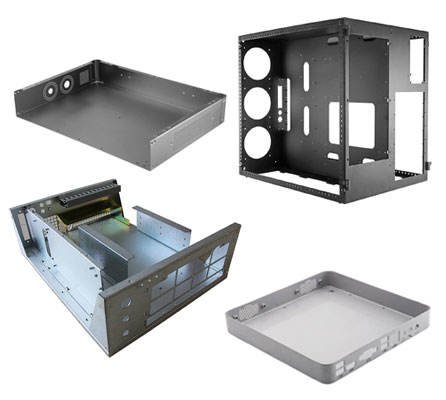
The Cold vs. Hot Forming Decision
At Rapidaccu’s sheet metal facility, aluminum’s 1,221°F melting point gives us a wide operating window for thermal processing. Most aluminum sheet forming happens at room temperature, but understanding the melting point helps us optimize heat treatments.
Critical Temperature Ranges
- Cold Working: Room temperature – Excellent formability
- Annealing: 650-775°F – Restores ductility
- Solution Heat Treat: 900-980°F – Prepares for aging
- Brazing: 1050-1150°F – Below melting point
Our Sheet Metal Capabilities
Laser Cutting
Precision cutting without thermal distortion
Press Brake Forming
Complex bends up to 120 tons
TIG Welding
Clean joints with minimal heat input
Surface Finishing
Anodizing, powder coating, chromate
Heat Treatment Excellence
Our in-house heat treatment capabilities allow us to precisely control aluminum’s material properties. We operate well below the 1,221°F melting point to achieve:
Cold Working vs. Melting Temperature
Formability at Room Temperature
Aluminum stamping at Rapidaccu takes advantage of the metal’s excellent room-temperature formability. The relatively low melting point correlates with easier plastic deformation—aluminum atoms can slide past each other more readily than higher-melting-point metals.
Stamping Advantages:
- High-speed operations: Up to 400 strokes per minute
- Complex geometries: Deep draws, embossing, coining
- Tight tolerances: ±0.002″ repeatability
- Material efficiency: Minimal scrap with progressive dies

Managing Heat During High-Volume Production
Even though stamping is cold-working, rapid deformation generates heat through plastic work. At 400 strokes per minute, managing this heat accumulation is crucial for maintaining dimensional accuracy and preventing work hardening.
Die Cooling
Internal cooling channels maintain die temperature, preventing thermal expansion that affects tolerances.
Inter-Stage Annealing
For deep-draw parts, we anneal at 650°F between operations to restore ductility without approaching melt point.
Real-Time Monitoring
IR sensors track strip temperature; if it exceeds thresholds, we adjust cycle time or implement cooling.
Rapidaccu Stamping Capabilities
Production Range
- • Material thickness: 0.008″ to 0.187″
- • Part sizes: Up to 18″ x 24″
- • Volume: 10,000 to 50,000,000+ pieces/year
- • Progressive dies up to 24 stations
Alloy Expertise
- • 1xxx, 3xxx series for electrical components
- • 5xxx series for marine applications
- • 6xxx series for automotive parts
- • Custom tempers (O, H14, H18, etc.)
Above vs. Below Melting Point Processing
At Rapidaccu, we frequently discuss with clients whether casting or wrought aluminum is right for their application. The melting point plays a central role in this decision—casting requires heating aluminum above 1,221°F to achieve liquid state, while wrought processes work with solid material.
Casting Process
When We Recommend Casting:
- • Complex internal geometries
- • Large, intricate parts
- • Lower production volumes
- • Near-net-shape requirements
Temperature Range:
1,250°F – 1,400°F (depending on alloy). We superheat above melting point for proper fluidity and mold filling.
Common Casting Alloys:
Wrought Process
When We Recommend Wrought:
- • Superior mechanical properties needed
- • High-precision requirements
- • Better surface finish
- • High production volumes
Temperature Range:
Room temp to 900°F (for heat treatment). Never approaches melting point during forming operations.
Common Wrought Alloys:
Comparative Analysis
| Property | Cast Aluminum | Wrought Aluminum |
|---|---|---|
| Tensile Strength | 20-48 ksi | 26-83 ksi |
| Elongation | 1-12% | 10-30% |
| Surface Finish | 125-250 µin Ra | 16-63 µin Ra |
| Typical Tolerance | ±0.010″ – ±0.030″ | ±0.001″ – ±0.005″ |
| Porosity | Present (can be minimized) | Essentially none |
Melting Point in Industrial Applications
Understanding aluminum’s 1,221°F melting point isn’t just academic—it directly impacts how we manufacture components for industries worldwide. Here are real applications where this knowledge makes a difference:
Aerospace
7075-T6 aluminum components operate at -65°F at altitude to 250°F+ in engine bays. The melting point provides massive safety margin while maintaining strength-to-weight advantages.
Automotive
Engine blocks, cylinder heads, and heat exchangers rely on aluminum’s thermal conductivity. Operating temperatures reach 400°F—hot, but still safe below the melting point with proper design.
Electronics
CNC machined aluminum enclosures for smartphones, laptops, and tablets. The melting point enables anodizing (performed at 70-100°F) and ensures dimensional stability during use.
HVAC Systems
Brazed aluminum heat exchangers operate continuously. Brazing temps (1,050-1,150°F) stay below aluminum’s melt point, creating leak-free joints with excellent thermal transfer.
Food Processing
5xxx series aluminum equipment resists corrosion in food environments. Sterilization at 250°F poses no risk to structural integrity given the high melting point cushion.
Architecture
Extruded aluminum curtain walls, window frames, and cladding withstand outdoor temperature extremes. The melting point ensures structural stability even in desert climates.
Ready to Start Your Aluminum Project?
At Rapidaccu, our deep understanding of aluminum’s thermal properties translates into superior manufacturing results. From prototype to production, we deliver precision aluminum components on time and within budget.